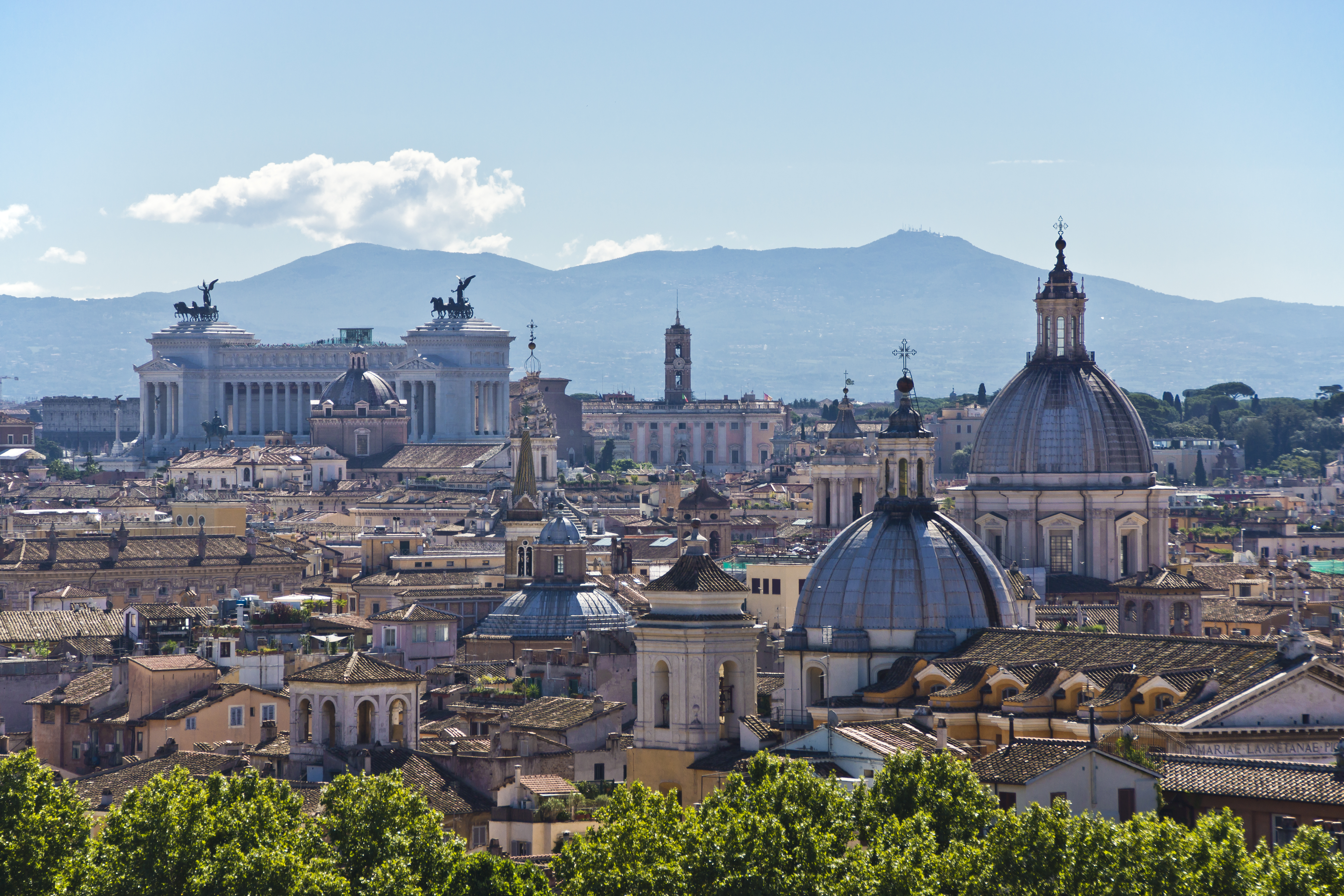
The Great Fire of Rome: Did Nero Really Fiddle?
On the night of July 18, 64 AD, a fire broke out among the shops clustered around the Circus Maximus in Rome. Fanned by summer winds, it spread through the dense neighborhoods of the imperial capital. The fire burned for six days, briefly subsided, then burned for three more. When it finally ended, two-thirds of Rome was destroyed. Emperor Nero was said to have watched from a tower, playing his lyre and singing while his capital burned. Later, he blamed the Christians and launched the empire's first persecution. The truth of what Nero did - and didn't do - has been debated for two millennia.
The City
Rome in 64 AD was the largest city in the world - perhaps a million people crammed into a chaotic tangle of streets, shops, and apartment blocks. The insulae - multi-story wooden tenements housing the poor - were notorious fire hazards. The city had no fire department in the modern sense, just a corps of watchmen with buckets.
Fires were common. What made the Great Fire different was its scale. The flames spread from the Circus Maximus through the crowded valleys between Rome's hills, consuming everything in their path. The narrow streets acted as chimneys, accelerating the blaze. There was no way to contain it.
The Emperor
Nero was at Antium (modern Anzio) when the fire broke out. According to hostile sources, he rushed back to Rome not to fight the fire but to watch it from a tower on the Palatine Hill, dressed in theatrical costume, playing his lyre and singing about the fall of Troy while the real Rome burned.
More sympathetic accounts say Nero opened his own gardens to refugees, organized food distribution, and personally directed firefighting efforts. The 'fiddling' story is certainly false - the fiddle wouldn't be invented for over a thousand years. The lyre story may also be false, or may be a grain of truth inflated by Nero's enemies.
The Destruction
The fire burned for nine days. Of Rome's fourteen districts, only four escaped damage. Three were completely destroyed. Ancient landmarks, temples, and archives were lost. The fire reached the Palatine Hill and destroyed much of the imperial palace. Centuries of Roman history went up in smoke.
The human cost is harder to measure. Ancient sources don't provide death tolls. Many certainly died - trapped in collapsing buildings, overcome by smoke, crushed in panicked crowds. Hundreds of thousands were left homeless. The psychological impact on Romans who had considered their city eternal was profound.
The Blame
Rumors spread that Nero had started the fire to clear land for his planned 'Golden House' - a vast palace complex he would build on the cleared ground. The rumors may have been true, may have been false, or may have reflected Nero's opportunistic use of the disaster.
Nero needed scapegoats. He found them among the Christians, a small and unpopular religious sect. According to the historian Tacitus, Nero had Christians arrested, condemned not for arson but for 'hatred of the human race,' and executed in spectacular ways - crucified, burned as human torches to light his gardens, torn apart by dogs. This was Rome's first persecution of Christians, and it made martyrs of Peter and Paul.
The Rebuilding
Nero rebuilt Rome with new building codes - wider streets, height limits, fireproof materials. The chaotic medieval city was replaced by a more rationally planned metropolis. And in the fire's footprint, Nero built his Golden House - a 300-acre palace complex with a 120-foot bronze statue of himself and an artificial lake where the Colosseum would later stand.
The Golden House was despised as a symbol of tyranny. After Nero's suicide in 68 AD, his successors demolished much of it. The lake was filled in and the Colosseum built on top. But Nero's building codes endured. The Great Fire of Rome, whatever its cause, gave birth to a safer and more beautiful city. Whether Nero fiddled or not, Rome burned and Rome was reborn.
From the Air
Rome (41.89N, 12.49E) lies in central Italy on the Tiber River. Rome Fiumicino Airport (LIRF) is 30km southwest. The fire zone covered the valleys between Rome's seven hills, including the area around the Colosseum and Roman Forum. The Circus Maximus, where the fire started, is preserved as a park. Weather is Mediterranean - hot, dry summers, mild winters.