First Battle of Dragoon Springs
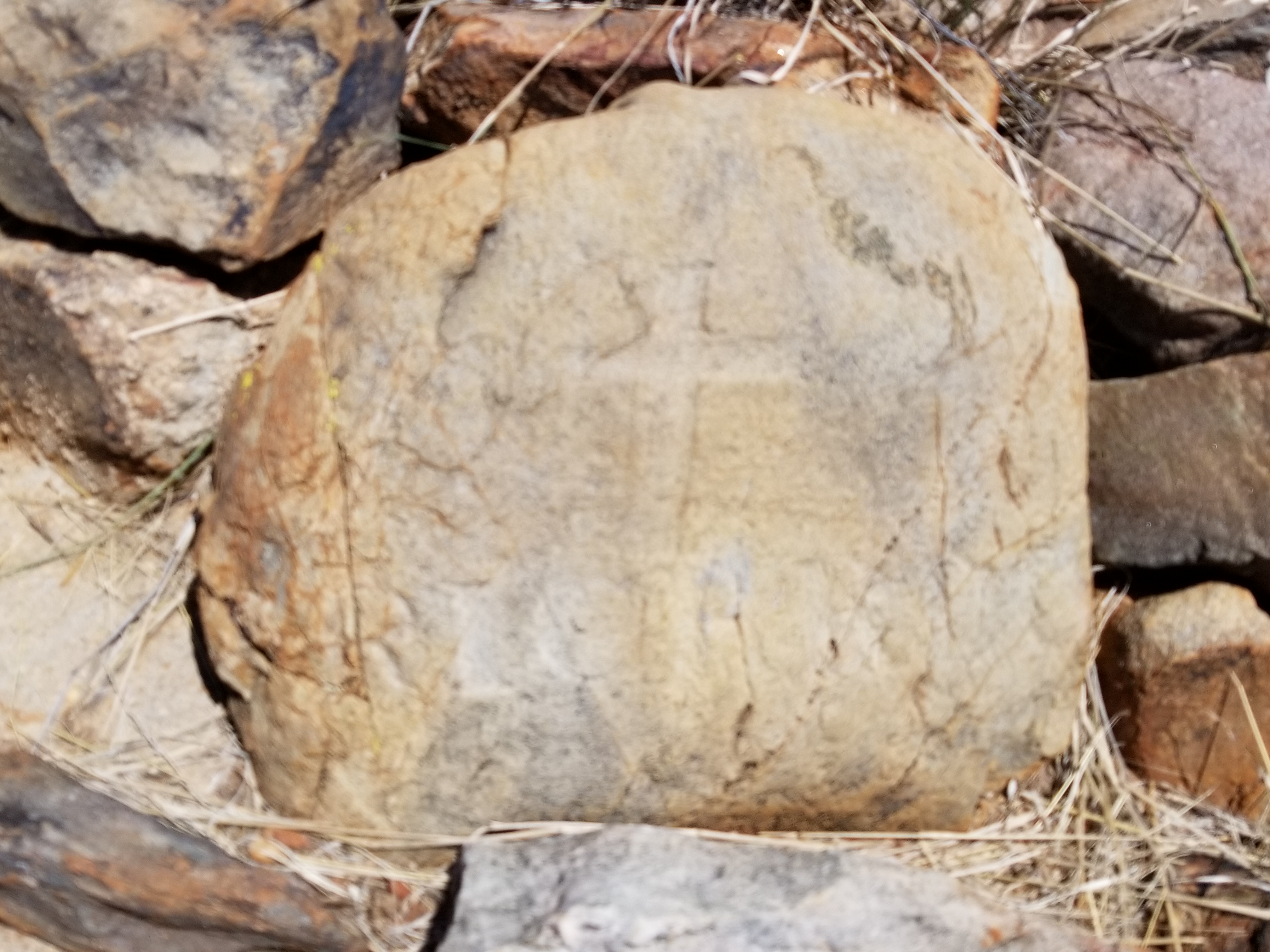
The grave markers still stand in the Arizona desert, their inscriptions carved by a Union prisoner of war: 'S. Ford, May 5th, 1862' and 'Ricardo.' These simple stones mark a collision of three conflicts in one remote canyon: the American Civil War, the Apache Wars, and the ongoing struggle for control of the Southwest. When Chiricahua warriors under Cochise ambushed a Confederate patrol at Dragoon Springs, they created a historical footnote that defies easy categorization. It was the westernmost point where Confederate soldiers died in combat, yet their killers were not Yankees but Apache warriors defending their homeland.
A Territory Divided
The Confederacy's claim to Arizona began in a courthouse in Mesilla, New Mexico, where secessionists gathered on March 16, 1861, to adopt an Ordinance of Secession. The Confederate government, free from the congressional gridlock that had stalled territorial organization, drew the boundary they wanted: an east-west line along the 34th parallel, creating a Confederate Arizona that stretched from Texas to California. On August 1, 1861, Lieutenant Colonel John R. Baylor proclaimed himself governor of this new territory after his victory at the First Battle of Mesilla. President Jefferson Davis made it official on February 14, 1862, and Confederate troops under Captain Sherod Hunter occupied Tucson two weeks later. The Confederacy's ambitious New Mexico Campaign aimed to seize the Southwest, and Hunter's small force represented the westernmost extension of Southern power on the continent.
Ambush at the Abandoned Station
On May 5, 1862, Sergeant Samuel B. Ford led seventeen Confederate soldiers escorting nine Union prisoners toward Texas. They camped at an abandoned Butterfield Overland Mail station in the Dragoon Mountains, about sixteen miles from present-day Benson. The stone fortress, once a vital link in the transcontinental mail route, had been vacant since the Civil War began. Ford's men were watering their livestock, an army of mules, horses, and cattle, when approximately 100 Chiricahua and Western Apache warriors struck. The war chiefs Cochise and Francisco led the attack, turning a routine escort mission into a desperate fight for survival. When the gunfire stopped, three Confederate soldiers lay dead alongside Ricardo, a young Mexican boy the Texans had pressed into service at Tucson. The Apache rode away with 30 mules, 25 horses, and 16 cattle. In a grim twist, the Union prisoners had been given arms to help fight off the attack.
The Farthest Reach
This minor skirmish holds a unique place in Civil War history. The three Texas soldiers who fell at Dragoon Springs died farther west than any other Confederate combat casualties. It remains the only engagement in which Confederate troops were killed within the modern boundaries of Arizona. The battle also illustrates the complicated reality of warfare in the Southwest, where the conflict between North and South overlapped with the longer struggle between Apache peoples and American expansion. Historians often include the First Battle of Dragoon Springs in accounts of the Apache Wars, which stretched from 1851 to 1900, as much as in Civil War narratives. For the Chiricahua, this was not a battle in someone else's war but a continuation of their resistance to all who entered their territory.
Vengeance and Memory
News of the ambush reached Captain Hunter in Tucson, and on May 9 he dispatched thirty men under Lieutenant Robert L. Swope to recover the stolen animals and avenge their fallen comrades. The Confederates tracked down the Apache raiders, recaptured the livestock, and killed five warriors without losing a man. It was a small victory in a losing campaign: within weeks, Hunter would evacuate Tucson as Union forces advanced from California, and by July 1862 the Confederates were forced out of New Mexico entirely. The graves at Dragoon Springs received their markers from an unlikely hand. One of the Union prisoners, still under Confederate guard when the attack occurred, carved the names and date into rough stone. These inscriptions survive today, weathered but legible, in one of the more remote corners of Cochise County. The stone markers for Sergeant Ford and Ricardo stand as testament to a moment when the boundaries of war blurred in the Arizona desert.
From the Air
Located at 31.9976N, 110.0225W in the Dragoon Mountains of southeastern Arizona. The battle site lies near the historic Butterfield stage station, approximately 16 miles from Benson and near the community of Dragoon. Nearest airports: Benson Municipal (E95), Tucson International (KTUS) 75 miles west. The Dragoon Mountains form a distinctive north-south range visible from considerable distance. Best viewed from 3,000-5,000 feet AGL when approaching from the San Pedro Valley to the west.