First Battle of the Stronghold
The fog rolled in thick as milk on the morning of January 17, 1873, blanketing the black lava beds along Tule Lake's southern shore. Somewhere within that volcanic maze, 53 Modoc warriors waited in silence. They knew this terrain intimately - every cave, every trench, every jagged outcrop that could shelter a rifleman. The 400 US Army soldiers advancing from two directions knew almost nothing. By nightfall, the Army would retreat in defeat, leaving 37 men killed or wounded on the field. The Modoc would not lose a single warrior. No Army survivor would report having seen a single Modoc during the entire battle.
A Fortress Written in Stone
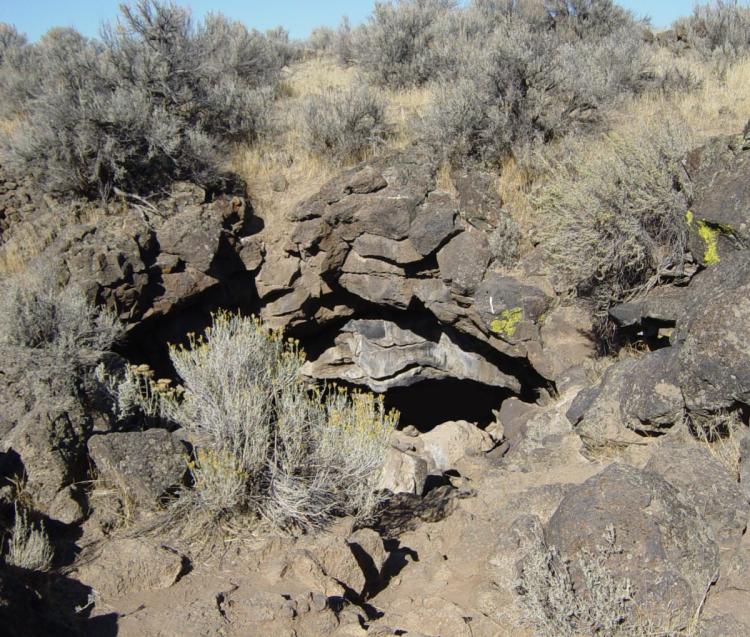
Captain Jack's Stronghold, as it came to be known, was nature's gift to the Modoc. The lava beds that now form Lava Beds National Monument offered a natural fortress of caves, trenches, and razor-sharp volcanic rock formations. The Modoc had improved these defenses, making them nearly impregnable. Within this labyrinth, Captain Jack - known in his own language as Kintpuash - sheltered his band of about 160 people, including women and children who had fled the Klamath Reservation in Oregon. They had been forcibly relocated there from their ancestral lands to make room for white settlers. Now they had returned home, and they would not leave without a fight.
The Trap Closes
Lieutenant Colonel Frank Wheaton devised a two-pronged attack. Major John Green would lead the main force from the west while Captain Reuben Bernard's smaller unit would attack from the east. The plan was simple: the two forces would sweep through the lava beds and meet south of the Stronghold, trapping the Modoc against Tule Lake. But the Modoc had other ideas. On January 16, as Bernard's forces advanced toward Hospital Rock, a thick fog descended. The soldiers stumbled to within a mile of the Stronghold before the Modoc spotted them and opened fire, wounding three men and sending Bernard's forces scrambling backward into the mist.
Ghosts in the Fog
Dawn brought no relief. The fog clung to the battlefield like a burial shroud. Two 12-pounder howitzers fired three shots as a signal for the attack to begin, but the gunners could see nothing - not their targets, not even where their shells landed. Fearing they might hit their own men, they fell silent. Green's western force advanced into a nightmare. The volcanic terrain tore at their boots and blocked their sight lines. Rifle fire cracked from everywhere and nowhere. The Modoc had abandoned their defensive positions to meet the Army in the lava fields, using the fog and the tortured landscape to their advantage. They shot any target that presented itself, then vanished into the rocks before the soldiers could return fire.
A Medal and a Miracle
By 2 pm, Green's advance ground to a halt at a deep chasm that blocked further movement. Bernard's eastern force fared no better, stopped by an impassable gully. Wheaton abandoned his original plan and ordered the forces to try meeting along the lake shore instead. The California volunteers and 21st Infantry managed to push north, getting within striking distance of the Stronghold's rear before overwhelming Modoc fire pinned them to the shoreline. Major Green stood up to urge his men forward and took a bullet - an act of bravery that would later earn him the Medal of Honor. By 5 pm, Wheaton signaled retreat. The withdrawal continued through the night and into January 18.
The Spirits Smile
The Modoc's spiritual leader, Curley Headed Doctor, claimed responsibility for the fog, saying he had summoned it through his rituals. Whether divine intervention or fortunate weather, the result was undeniable: the most lopsided American defeat in the Pacific Northwest Indian Wars. The victory strengthened the Modoc's resolve and forced the United States into peace negotiations from a position of weakness. Wheaton was relieved of command. The Army brought in reinforcements and a new commander, Colonel Alvan Gillem, a veteran of the Seminole Wars. But the Modoc held their fortress for three more months. The peace talks would end in tragedy when Captain Jack, under pressure from his own warriors, killed General Edward Canby on Good Friday 1873 - the only US general killed by Native Americans during the Indian Wars.
From the Air
Located at 41.91N, 121.53W in what is now Lava Beds National Monument, northeastern California. The volcanic terrain is clearly visible from altitude - look for the dark lava flows along Tule Lake's southern shore. Captain Jack's Stronghold interpretive trail is accessible from the monument. Nearest airports: Klamath Falls Airport (KLMT) 35nm north, Tulelake Municipal (O81) 12nm east. Expect mountain weather conditions; the area can be foggy, especially in winter months.