Flying Leatherneck Aviation Museum
In 2021, the Marine Corps announced it would close the Flying Leatherneck Aviation Museum permanently and scatter its aircraft to other institutions. The collection had already moved once, in 1999, when 41 aircraft were loaded onto trailers and towed down California highways from the shuttered Marine Corps Air Station El Toro to Miramar. Now it was threatened with dispersal. Instead, supporters launched a campaign that brought the museum home. By December 2024, the collection had returned to the former El Toro air station, now the Orange County Great Park, completing a circular journey that began in a squadron building more than three decades earlier.
From Squadron Building to Collection
The museum's origins trace to June 1991, when the El Toro Historical Center and Command Museum opened in a squadron aviation building at Marine Corps Air Station El Toro. The mission was straightforward: preserve the history and legacy of Marine Corps aviation. By 1998, the collection had grown significant enough to be renamed the Jay W. Hubbard Command Museum, honoring a Marine pilot and builder. The museum attracted visitors and school groups, but its future was tied to the base, and El Toro was slated for closure as part of the post-Cold War military drawdown.
The Highway Migration
When MCAS El Toro closed in 1999, the museum faced its first existential crisis. Rather than disband, organizers arranged to relocate to Naval Air Station Miramar in San Diego. The sight was remarkable: 41 aircraft loaded onto flatbed trailers, rolling down Southern California highways to their new home. The museum reopened on May 25, 2000, and soon boasted a restoration hangar where volunteers could work on aircraft preservation. Plans emerged for a major new building to properly display the collection. But the September 11 attacks changed everything. Heightened security on the active military base made civilian access increasingly difficult.
Threatened and Saved
By 2021, the Marine Corps had decided the museum was no longer viable. The announcement of permanent closure and aircraft transfer galvanized supporters. The Flying Leatherneck Historical Foundation began negotiations with the City of Irvine about returning to the former El Toro site, now transformed into the Orange County Great Park. In December 2021, an agreement was reached to occupy the abandoned Marine Aircraft Group 46 hangars. The irony was not lost on anyone: the museum would return to nearly the same ground where it had started, now under civilian control.
Coming Home
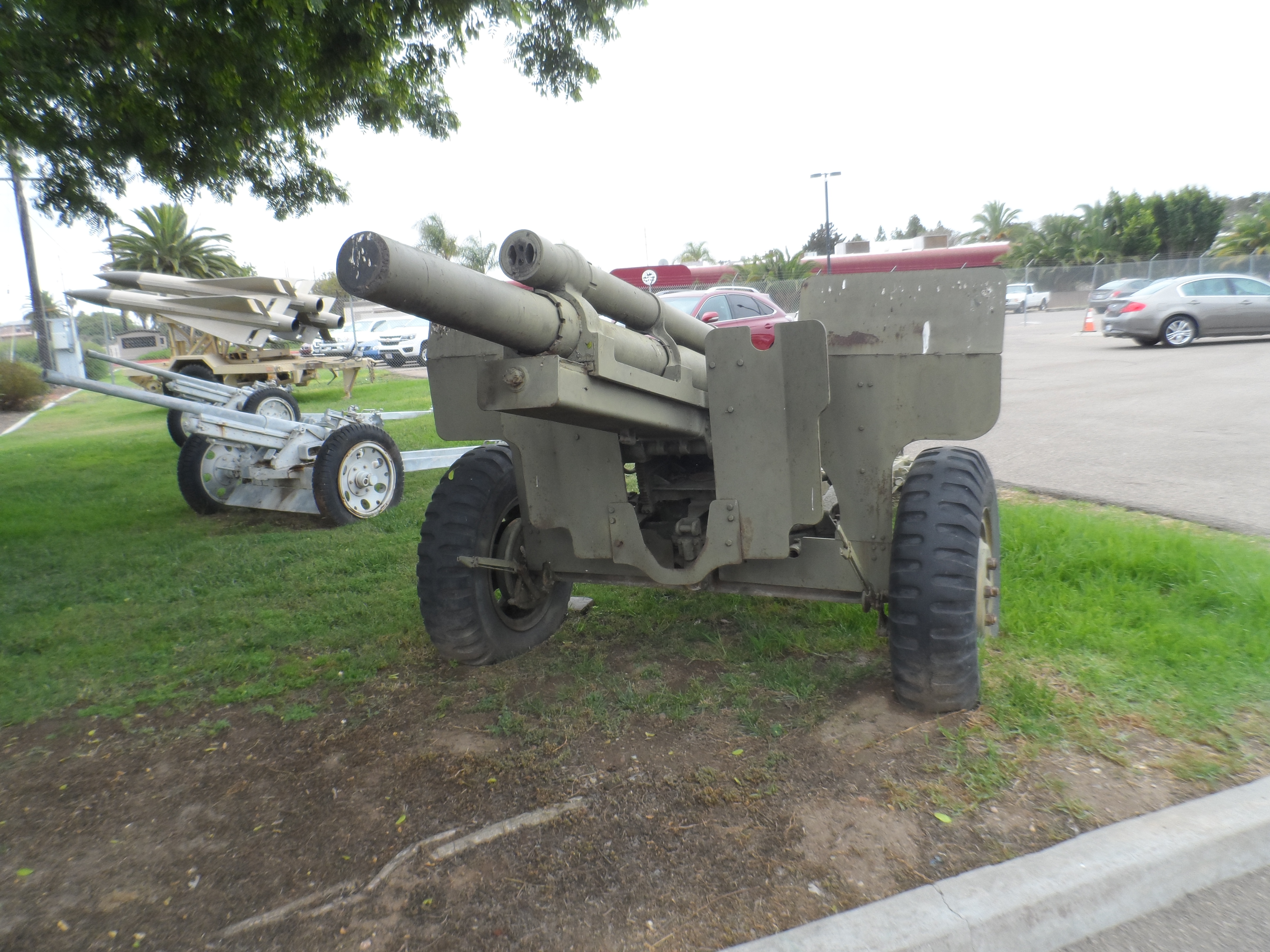
The move back to Orange County began in March 2024, with aircraft transported to the historic Hangar 297. By December, the museum's collections had completed the journey from Miramar to their new home. The collection now includes more than 40 historical aircraft, from a Beechcraft T-34B Mentor trainer to a McDonnell Douglas F/A-18A Hornet, along with multiple military vehicles. In February 2025, the museum received a gift of 525 oral histories from California State University, Fullerton, recordings of individuals connected to El Toro's decades of operations. The museum broke ground on a new facility in October 2025, with opening anticipated in 2027.
The Foundation's Mission
The Flying Leatherneck Historical Foundation carries forward the educational mission that began in that squadron building in 1991. Programs include school field trips, STEM education initiatives, the Marine Spouse Award, and annual student essay and art contests. Indoor exhibits feature photographs, artifacts, and artwork spanning Marine Corps aviation from its earliest days to the present. The outdoor aircraft collection tells its own story: these are machines that flew in combat and training, maintained now by volunteers who understand that aviation history is not just about the aircraft but about the Marines who flew and serviced them.
From the Air
Currently located at Orange County Great Park in Irvine (33.68N, 117.74W), the former site of Marine Corps Air Station El Toro. The museum occupies Hangar 297, one of the historic hangars from the base's operational days. The former runway patterns of El Toro are still visible in the park's layout. Note: The article's geolocation (32.89N, 117.14W) points to the former Miramar location. Best viewed at 2,000-3,000 feet. Nearby airports include John Wayne Airport (KSNA, 3nm northwest). The Great Park's orange balloon is a distinctive visual landmark. Look for the collection of aircraft displayed near the hangars.