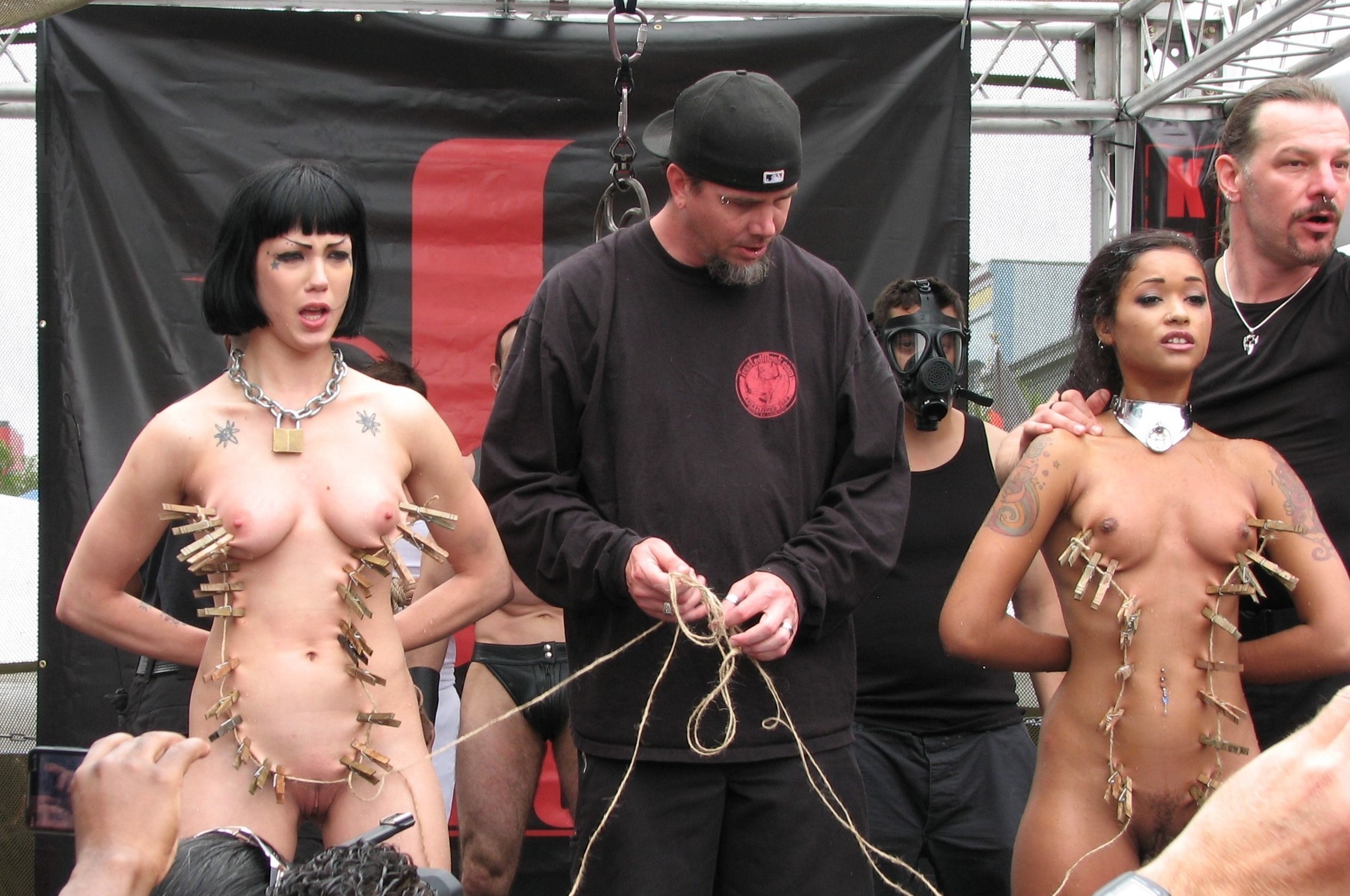
Folsom Street Fair
The first proto-leather bar in San Francisco was the Sailor Boy Tavern, which opened in 1938 near the Embarcadero YMCA and catered to Navy sailors looking for same-sex encounters. From that modest beginning grew a subculture that would eventually take over six blocks of Folsom Street every September for the largest leather and kink event in the world. The Folsom Street Fair, held on the last Sunday of September between 8th and 13th Streets in the South of Market district, is California's third-largest single-day outdoor spectator event and one of San Francisco's most distinctive cultural institutions -- a free, non-commercial celebration of alternative sexuality that has run annually since 1984.
South of Market and the Leather Community
The SoMa district's identity as the center of San Francisco's leather community predates the fair by decades. The neighborhood's warehouses, industrial buildings, and affordable rents attracted the leather bars and social clubs that formed the backbone of the community from the 1950s onward. When gentrification and the AIDS crisis threatened to displace the community in the early 1980s, the fair was conceived partly as an act of cultural preservation -- a way to claim public space and assert visibility in a neighborhood that was rapidly changing. The fair's annual return to Folsom Street serves as a reminder that the community was here first.
Scale and Spirit
What began as a neighborhood street fair has grown into an event that draws hundreds of thousands of attendees. The fair occupies six blocks of Folsom Street, filling them with vendor booths, stages, and demonstration areas. It is free to attend, non-commercial in ethos, and functions as both a celebration and a fundraiser -- proceeds support local LGBTQ organizations and community services. The atmosphere is deliberately transgressive, challenging mainstream norms around public expression of sexuality while maintaining a culture of consent and community responsibility that participants take seriously.
San Francisco's Other Festival Culture
The Folsom Street Fair exists alongside San Francisco's other major street festivals -- the Pride Parade, Bay to Breakers, Outside Lands -- but occupies a distinct cultural space. While Pride has become increasingly corporate and mainstream, Folsom retains its countercultural edge, its willingness to make visitors uncomfortable, its insistence that public space can accommodate expressions of identity that other cities would never permit. The fair concludes Leather Pride Week, a multi-day celebration that includes workshops, parties, and cultural events. For the leather community, Folsom is not just a party but an annual affirmation -- the weekend when San Francisco lives up to its reputation as a city that protects the freedom to be exactly who you are.
From the Air
Located at 37.7729°N, 122.413°W on Folsom Street between 8th and 13th Streets in San Francisco's SoMa (South of Market) district. The fair occupies six blocks visible from the air as a large street closure during the last Sunday of September. Best viewed at 2,000-3,000 feet AGL. Nearest airports: KSFO (11 nm south), KOAK (10 nm east).