Forest Grove
Where Portland's westward expansion finally stops, Forest Grove maintains a distinct identity as something other than suburb. Pacific University has anchored this community since 1849, making it one of the oldest educational institutions west of the Mississippi, and the town has grown around the campus without losing its independence. The Tualatin Valley spreads east toward the metropolis; the Coast Range rises to the west. Between them, Forest Grove occupies a pleasant position - close enough to Portland for convenience, far enough for quiet, and old enough to have its own character.
Pacific University
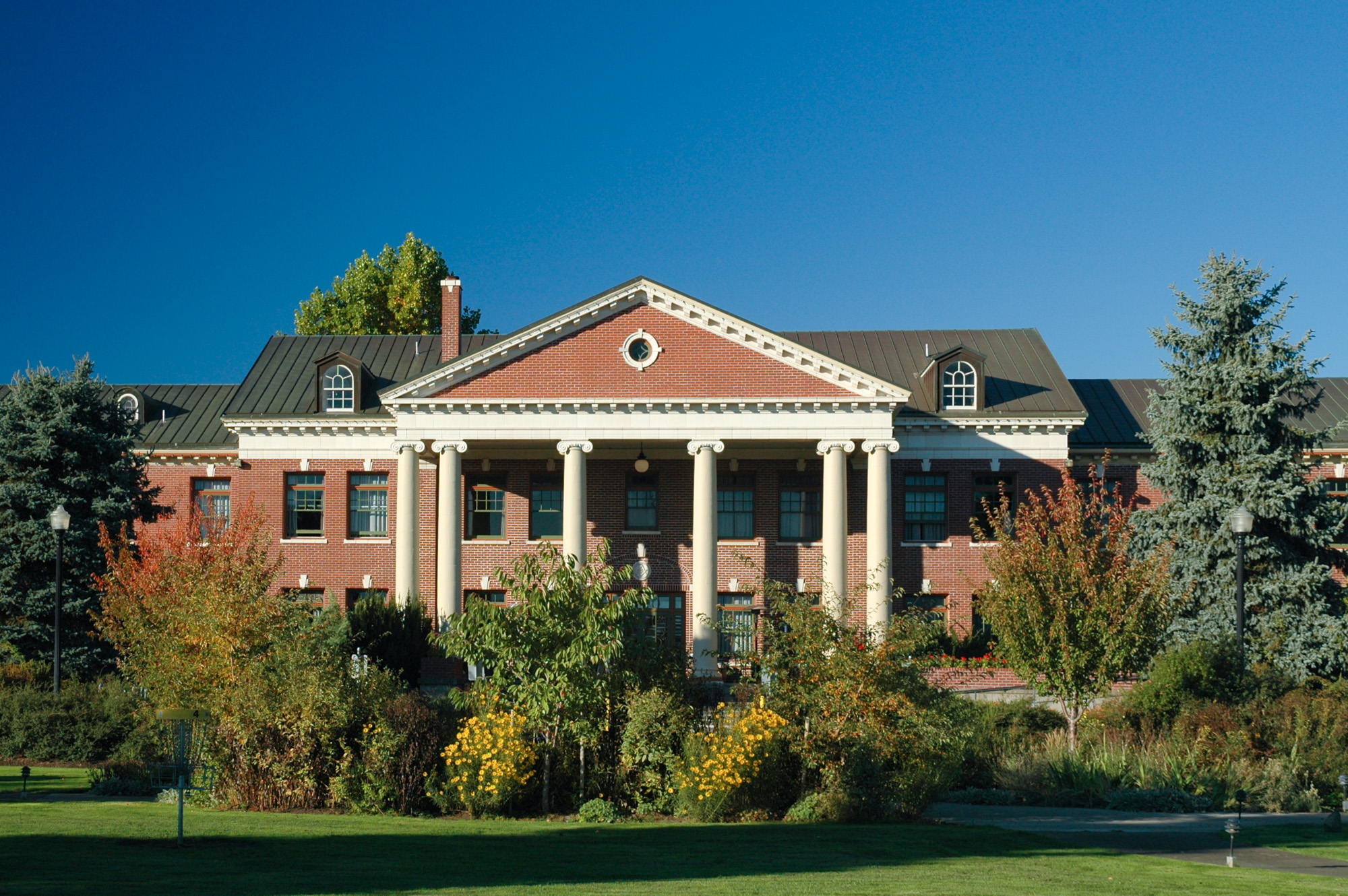
The university predates Oregon statehood, founded by Congregationalist pioneers who believed civilization required education. Pacific's campus spreads through the center of town, its historic buildings interspersed with the commercial district that grew up to serve students and faculty. Old College Hall, dating from 1850, remains in use, one of the oldest educational buildings in the Pacific Northwest.
Today Pacific enrolls about 4,000 students across undergraduate and professional programs, large enough to shape the town's character without overwhelming it. The university brings cultural programming - lectures, performances, exhibitions - that a town of 26,000 might otherwise lack. Restaurants and coffee shops cater to academic schedules; the rhythm of semesters marks the community's calendar. It's a symbiotic relationship that has worked for over 170 years.
Henry Hagg Lake
Six miles south of town, a dam across Scoggins Creek created Henry Hagg Lake in 1975, flooding a valley to provide water storage for the growing Tualatin Valley. The lake has become a recreational destination, its 15-mile shoreline circled by a road that provides access for fishing, picnicking, and boat launching. On summer weekends, the parking areas fill with families escaping the Portland suburbs.
The fishing draws dedicated anglers year-round. Rainbow trout are stocked regularly; bass and other species have established themselves in the reservoir. Half the lake restricts boats to wake-free speeds, creating quiet waters for trolling and kayaking. The western shore backs against the Coast Range foothills, forested slopes rising beyond the water. It's a pocket of recreation close to the metropolitan area without feeling suburban.
Wine Country Edge
Forest Grove sits at the northern edge of the Willamette Valley wine region, the vineyards that blanket the hills to the south beginning just beyond the city limits. Tasting rooms have followed, some in town, others scattered through the countryside along roads that wind toward McMinnville and the heart of wine country.
The Yamhill-Carlton AVA begins nearby, one of the valley's recognized appellations. The wines here tend toward Pinot Noir and Pinot Gris, varieties suited to the cool, wet climate moderated by the Coast Range. But Forest Grove is the edge rather than the center - a place to begin or end a wine tour rather than the destination itself. This suits a town that has never sought to be a tourist attraction, preferring the quiet that comes with being slightly off the main routes.
The Quiet Edge
MAX light rail doesn't reach Forest Grove - the Blue Line terminates in Hillsboro, a few miles east. Bus service connects to the transit system, but the gap marks a boundary. East of that line, the suburbs blur together, strip malls and housing developments creating continuous urbanization to downtown Portland. West of it, towns retain individual identity, separated by farmland and forest.
Forest Grove embraces this position. The downtown remains compact and walkable, its historic buildings adapted for contemporary use without losing their character. The agricultural heritage persists in the farms that surround town, the nurseries and orchards that supply the region. It's a college town with an agricultural economy, a small city at the edge of a large one, maintaining the independence that its founders established when they chose this site for their university.
From the Air
Located at 45.52N, 123.11W in Washington County, Oregon, at the western edge of the Portland metropolitan area. Pacific University campus is visible in the town center. Highway 8 runs east-west through town toward Hillsboro; Highway 47 runs north-south connecting to Highway 26 and McMinnville. Henry Hagg Lake is visible 6 miles south, a reservoir nestled in the Coast Range foothills. The Tualatin Valley spreads east toward Portland; the forested Coast Range rises to the west. Portland is approximately 25 miles east.