Fort Augustus Abbey
The 13th Lord Lovat gave the old military fort to the Benedictine order in 1876. It seemed like redemption -- a place built for war, handed over for prayer. The monks, who arrived from a foundation in Bavaria, transformed the garrison buildings into a monastery and opened a boarding school for Catholic boys. For more than a century, Fort Augustus Abbey presented an image of monastic tranquility at the southwestern end of Loch Ness. Behind that image, as the Scottish Child Abuse Inquiry would eventually reveal, something very different was happening to the children entrusted to its care.
From Garrison to Cloister
The fort at the southwestern end of Loch Ness was built in 1729, one of a chain of military positions designed to control the Great Glen after the Jacobite risings. It was named after William Augustus, Duke of Cumberland, who would later earn the name 'Butcher' for his actions after Culloden. The 3rd Marquess of Bute, a wealthy Catholic convert, funded the transformation of the former military buildings into a monastery at a cost of approximately 70,000 pounds -- an enormous sum at the time. The Benedictines established both a monastic community and a school, and for decades the institution grew. The abbey church, designed in a Gothic revival style, dominated the village. The monks farmed, prayed, taught, and maintained the illusion of a community devoted to spiritual values.
What the Walls Concealed
The Scottish Child Abuse Inquiry, established to investigate the historical abuse of children in institutional care, published its findings on Fort Augustus Abbey in 2021. The testimony was devastating. Lady Smith, who chaired the inquiry, concluded that the abbey had fostered a 'culture of violence that terrorised many children.' The abuse was not the work of one individual or a brief period. It was systematic, spanning decades, involving multiple monks, and encompassing both physical and sexual abuse. Children who reported abuse were disbelieved, punished, or silenced. The monastic hierarchy protected the institution rather than the children it had pledged to educate. Several monks were eventually convicted of criminal offenses, but the institutional reckoning came long after the damage had been done -- and long after many survivors had carried their experiences in silence for decades.
Closure and Reckoning
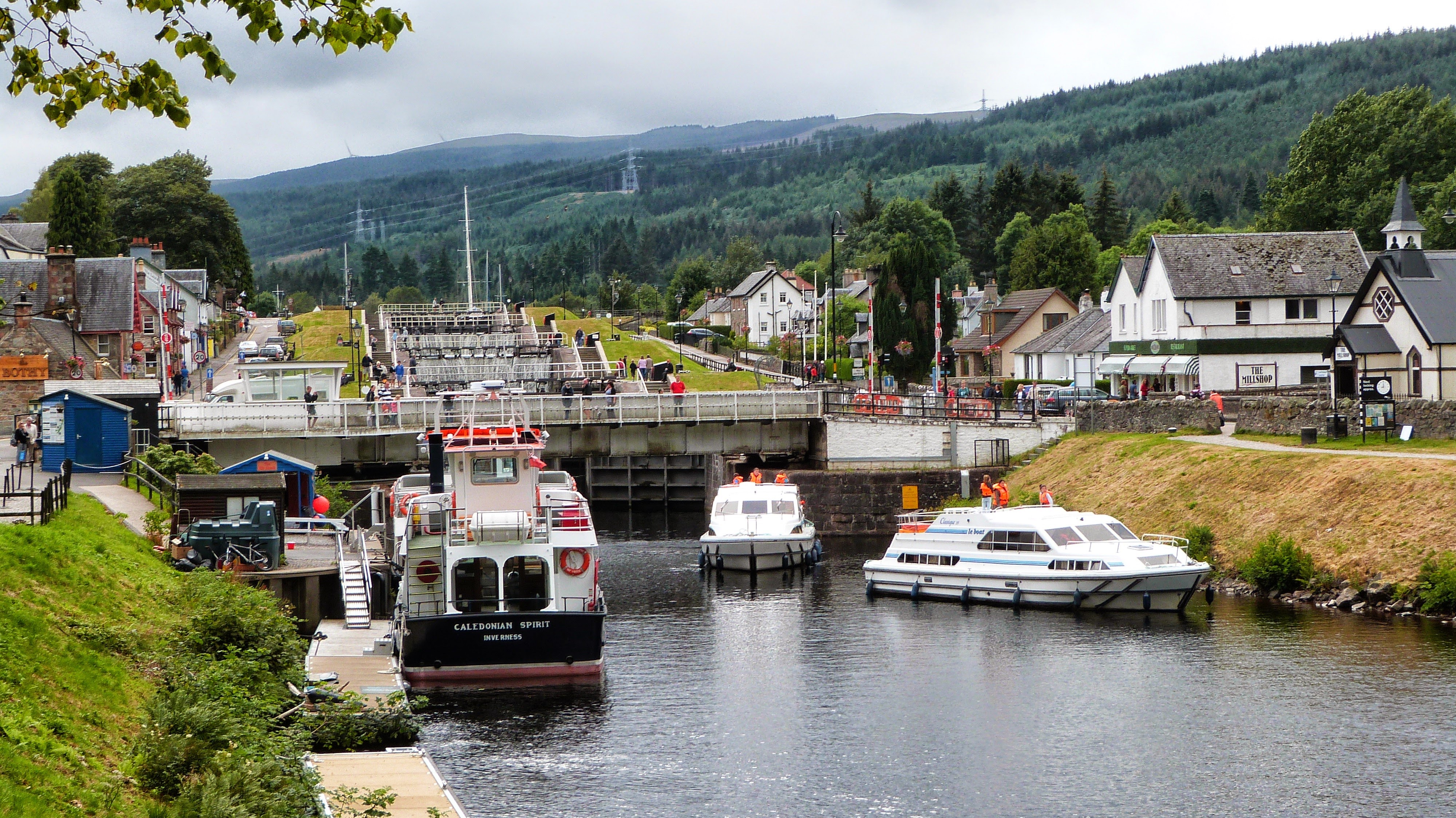
The school closed in 1993. The monastic community itself disbanded in 1998, ending over a century of Benedictine presence at Fort Augustus. The buildings were sold and converted into private residences and holiday apartments. The transformation was physical -- new owners, new purposes, new occupants -- but the site's history cannot be renovated away. The Scottish Child Abuse Inquiry's findings ensured that the abbey's legacy would include not only the architecture and the monastic tradition but also the suffering of those who were harmed within its walls. Fort Augustus village has moved on. The Caledonian Canal still passes through its locks, tourists still stop on their way between Inverness and Fort William, and the former abbey buildings still stand above the village. But the story of what happened inside those buildings remains part of what this place means -- a reminder that institutions granted authority over the vulnerable can betray that trust in the most fundamental ways.
From the Air
Fort Augustus Abbey is located at 57.14°N, 4.68°W at the southwestern end of Loch Ness, where the Caledonian Canal enters the loch. The former abbey buildings are visible from the air above the village of Fort Augustus. The canal locks are a prominent feature. The Great Glen runs northeast toward Inverness and southwest toward Fort William. Nearest airport: Inverness (EGPE) approximately 25 nm to the northeast.