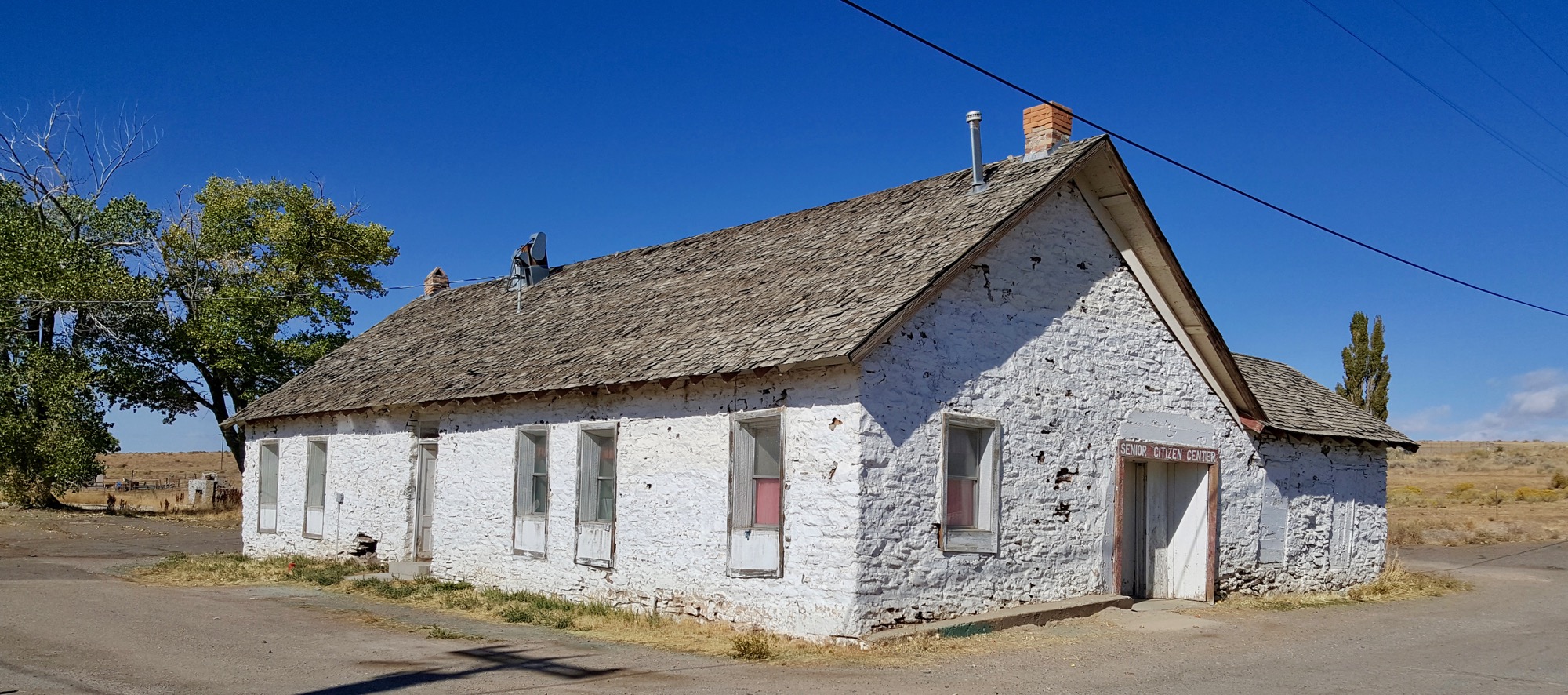
Fort McDermit
Lieutenant Colonel Charles McDermit never saw the fort that would bear his name. On August 7, 1865, just one week before the post's establishment, he rode into an ambush along the Quinn River and died in the sagebrush-covered valley the Northern Paiute called wayadiaga - rye grass canyon. The volunteer cavalrymen who buried their commander named the remote outpost in his honor, planting the seeds of what would become Nevada's longest-serving Army installation.
Guardian of the Stagecoach Line
The fort existed for a single purpose: keeping the stagecoach route open between Winnemucca, Nevada, and Silver City in Idaho Territory. In the early months of the Snake War, attacks on white settlements had grown so frequent that the Army established a cavalry detachment at Quinn River Station to protect travelers and mail carriers crossing this remote stretch of the Great Basin. The violence that claimed McDermit's life only reinforced the need for a stronger presence. Within months of his death, construction began on a proper military installation capable of housing two companies - one cavalry, one infantry - with supplies to sustain operations for six months at a time.
Adobe Rising from the Desert
The men built their fort from the land itself. Adobe bricks, cut stone, and timber frames rose around a rectangular parade ground, forming a classic frontier post. Three officer quarters, a large barracks, a three-room hospital, and stables surrounded the central square, all under shingled roofs designed to shed the harsh desert weather. In 1867, the Army expanded the reservation to two miles square and established hay reserves stretching along both banks of the Quinn River - essential for keeping cavalry horses fed through the brutal winters when temperatures plunged and snow blanketed the high desert.
Wars Without End
For 24 years, Fort McDermit's troops rode out against the region's indigenous peoples. They fought in the Snake War that prompted the fort's creation, pursued Bannock and Shoshone bands across the sagebrush flats, and joined campaigns as distant as the Modoc War in the lava beds of northern California. Each conflict left its mark on the isolated outpost, as soldiers rotated through and casualty lists grew. The fort outlasted them all, remaining operational long after most Nevada military posts had closed their gates and sold off their lumber.
From Military Post to Indian School
On July 24, 1889, the last soldiers lowered the flag and marched away. The Army transferred Fort McDermit to the Indian Service, which converted the buildings that had once housed their adversaries into a school for Paiute and Shoshone children. The transition carried a bitter irony lost on no one: the very structures built to wage war against indigenous peoples now served to educate their descendants. The fort's adobe walls, which had witnessed 24 years of frontier conflict, began a new chapter as classrooms on the Fort McDermitt Indian Reservation - the legacy of violence slowly giving way to a different kind of transformation.
From the Air
Fort McDermit sits at 41.97N, 117.62W, elevation approximately 4,500 feet, in the high desert of northern Nevada near the Oregon border. The Quinn River valley provides a visual guide - follow its course southeast from the Oregon border. The nearby town of McDermitt straddles the state line. Nearest airports: Winnemucca Municipal (KWMC) approximately 75nm south; Mountain Home AFB (KMUO) about 100nm north in Idaho. Best viewed at 5,000-8,000 feet AGL for context of the river valley setting.