Fort Moultrie
British cannonballs struck the walls of the unfinished fort on Sullivan's Island on June 28, 1776, and something unexpected happened. Instead of shattering, the soft palmetto logs absorbed the impact. The iron balls buried themselves in the spongy wood or bounced off entirely. For twelve hours, Admiral Sir Peter Parker's fleet of nine warships hammered the crude fortification, and for twelve hours Colonel William Moultrie and his four hundred South Carolina militiamen fired back. By nightfall, Parker's battered fleet withdrew. The victory electrified the colonies and gave South Carolina its enduring symbol - the palmetto tree on the state flag. The fort was renamed in Moultrie's honor, and it would go on to witness nearly every chapter of American military history that followed.
Walls That Would Not Break
Construction of the fort began in February 1776 on the northern end of Sullivan's Island, guarding the main shipping channel into Charleston Harbor. The builders used what the island offered: palmetto logs and sand. They placed two rows of palmetto trunks sixteen feet apart, bolted them together, and filled the gap with sand. The walls rose twenty feet high. When the British attacked that June, the fort was still incomplete - only the seaward face was finished, and the rear was open. It did not matter. The palmetto-and-sand construction proved superior to European masonry fortifications against naval gunfire. Masonry walls shattered into deadly shrapnel when hit; palmetto walls simply absorbed the blow. The British fleet fired approximately 7,000 rounds during the engagement. The fort's defenders fired back with precision, severely damaging several warships and killing or wounding over 200 British sailors and marines. The victory delayed the British conquest of the South by nearly four years.
Prisoners and Poets
The fort accumulated stories the way its palmetto walls once accumulated cannonballs. The British eventually captured Fort Moultrie during the Siege of Charleston in 1780, renaming it Fort Arbuthnot, but lost it again when the war ended. In the decades that followed, the original palmetto fort was replaced by stronger structures. In 1827, a young Army private named Edgar Allan Poe arrived for a posting that would last thirteen months. Sullivan's Island and its wild landscape seeped into his imagination. The island became the setting for three of his stories, most famously "The Gold-Bug," his tale of buried pirate treasure on an island that closely resembles Sullivan's. In 1838, the fort became a prison for the Seminole leader Osceola, who had been captured under a flag of truce during the Second Seminole War in Florida. Osceola died of malaria at Fort Moultrie in January 1838 and was buried just outside the fort's entrance, where his grave remains today.
Where the Civil War Began
On the night of December 26, 1860, six days after South Carolina seceded from the Union, Major Robert Anderson secretly evacuated his garrison from Fort Moultrie to Fort Sumter, the stronger but unfinished fortification on an island a mile out in the harbor. Anderson judged Moultrie indefensible against land attack - its walls could be scaled from the sand dunes that had drifted against them. Confederate forces immediately occupied Fort Moultrie and trained its guns on Sumter. When the bombardment of Fort Sumter opened the Civil War on April 12, 1861, Fort Moultrie's batteries were among those firing. Throughout the war, Fort Moultrie served as a critical link in the chain of fortifications defending Charleston Harbor, helping repulse the Union ironclad attack in April 1863 and enduring punishing bombardment during the prolonged siege that followed.
A Tour Backward Through Time
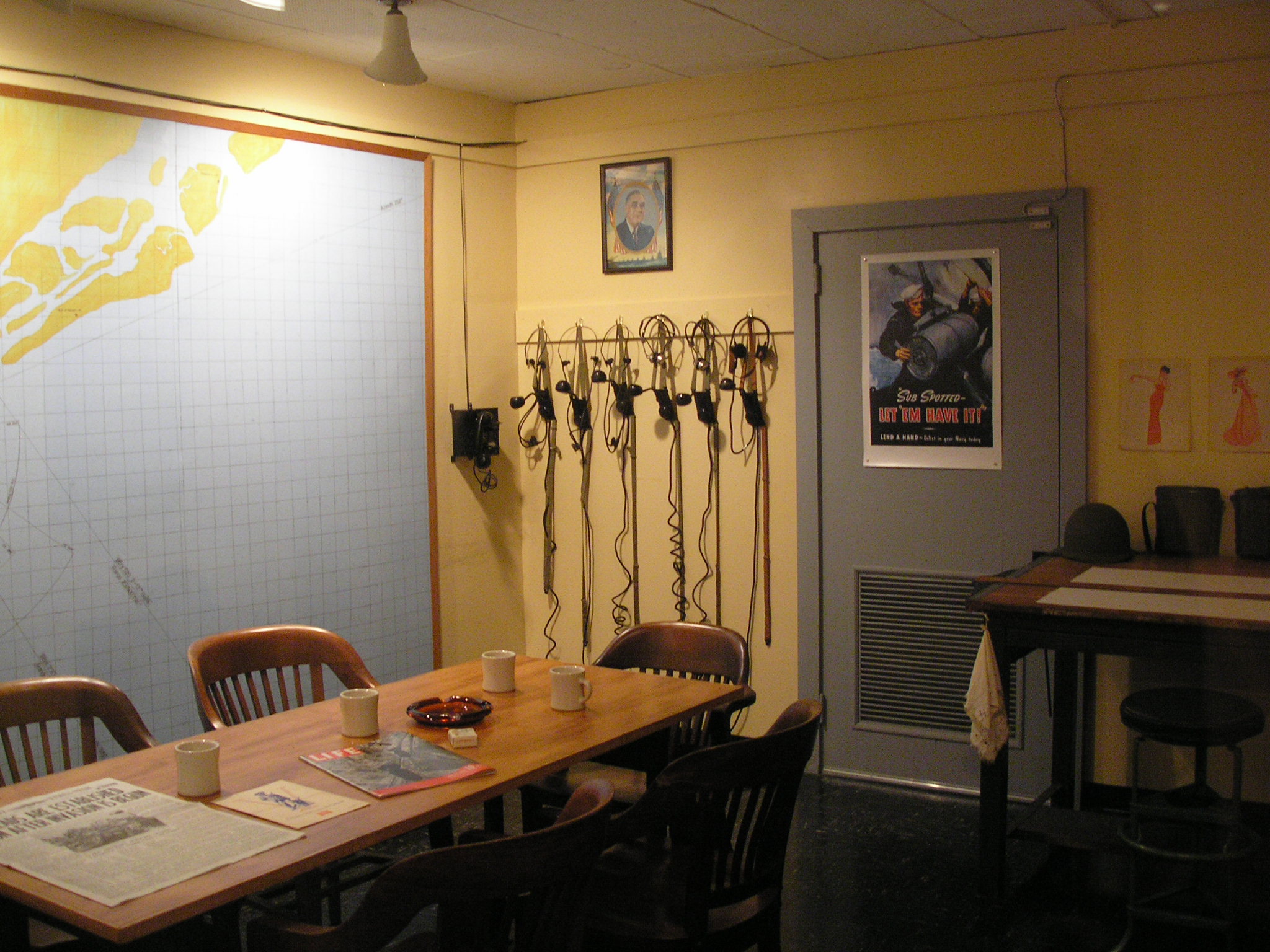
The Department of Defense transferred Fort Moultrie to the National Park Service in 1960, and the agency designed something unusual: a tour that moves backward through time. Visitors enter past World War II-era Harbor Entrance Control Post installations and work their way back through the Spanish-American War, the Civil War, and the antebellum period to reach the site of the original palmetto log fort. In 2016, Fort Moultrie was honored on the America the Beautiful quarter for South Carolina. The fort's sightline to Fort Sumter across the harbor - the same line of fire that opened the Civil War - was briefly threatened in 1999 when a tall private home was built next door. The American Battlefield Trust, the National Park Service, and local residents purchased the property and removed the building to restore the view. A statue of William Moultrie stands in The Battery section of downtown Charleston, but the fort itself, on its low sandy island at the harbor's mouth, remains his true monument.
From the Air
Located at 32.76°N, 79.86°W on Sullivan's Island at the northern side of the entrance to Charleston Harbor. Fort Moultrie is visible from altitude as a low fortification on the eastern end of Sullivan's Island. Fort Sumter lies approximately one mile to the south-southwest across the harbor entrance. Morris Island is visible to the south. The geography clearly shows why this position was critical - it commands the main shipping channel alongside Fort Sumter. Charleston International Airport (KCHS) is approximately 12 miles to the northwest. The Ben Sawyer Bridge connecting Sullivan's Island to the mainland is visible to the west.