Fort Stanton: From Apache Wars to Snowy River Cave
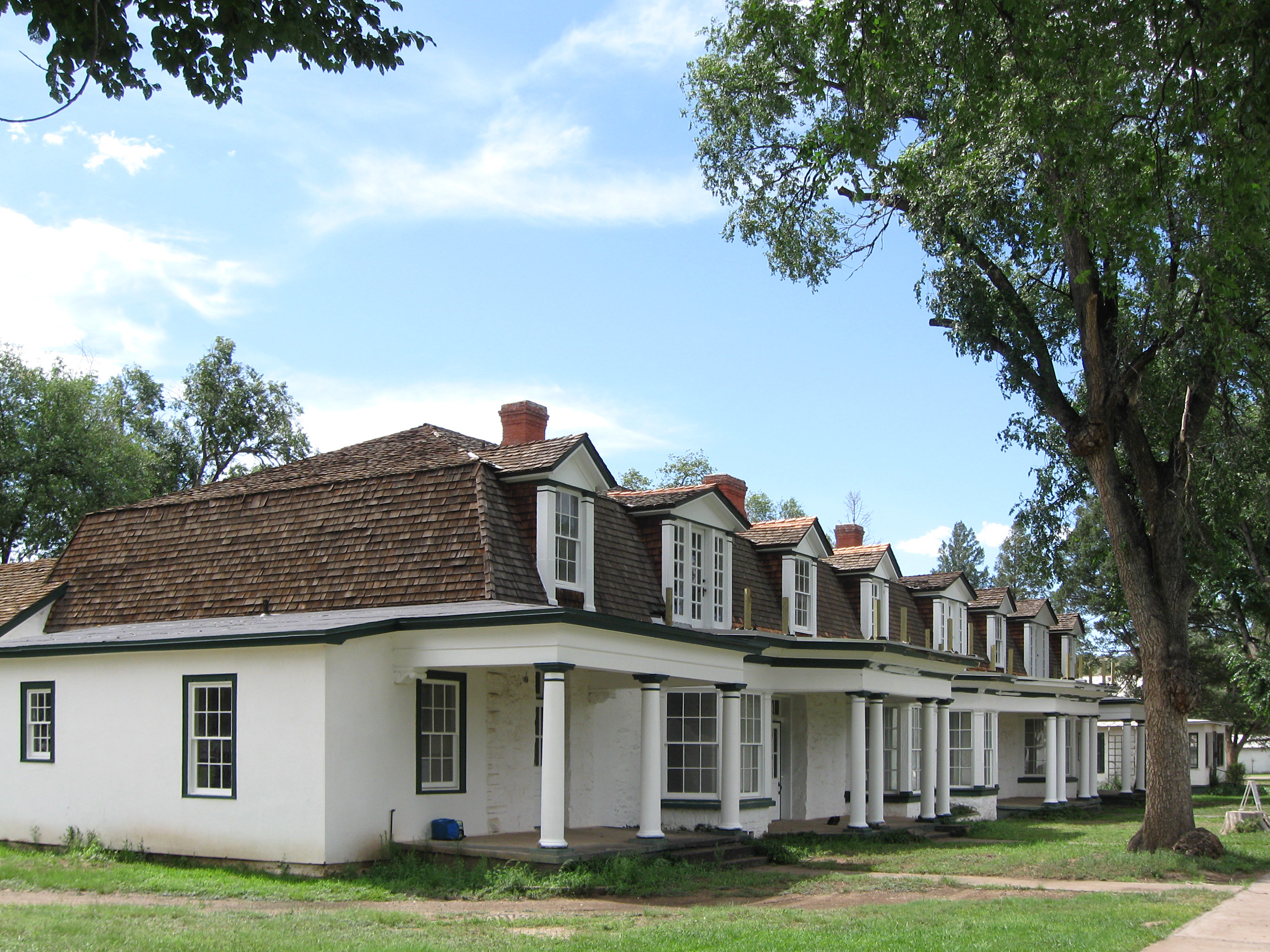
Fort Stanton sits in the rolling hills of Lincoln County, New Mexico, a frontier outpost that refused to fade into history. Built in 1855 by the 1st Dragoon and the 3rd and 8th Infantry Regiments, it served as a base for military operations against the Mescalero Apache. Kit Carson walked its grounds. So did a young cavalry officer named John J. Pershing, who would later command American forces in World War I. Billy the Kid and Pat Garrett both passed through during the Lincoln County War. Buffalo Soldiers of the 9th Cavalry were stationed here. The fort outlasted the Apache Wars, survived Confederate occupation, became a marine hospital for tuberculosis patients, and held World War II internees. Today it stands as a state monument beside one of the most remarkable cave discoveries in American history.
Frontier Defense and Famous Names
The U.S. Army established Fort Stanton to protect Hispanic and Anglo settlements along the Rio Bonito during the Apache Wars. For nearly three decades, from 1855 until the 1880s, soldiers launched campaigns against the Mescalero Apache from these adobe buildings. The fort was originally part of the Mescalero Apache reservation itself -- a boundary that shifted southwest in 1873 to its current location. The roster of personnel reads like a who's who of Western history. Kit Carson, the legendary scout and Indian fighter, served here. Lieutenant John J. Pershing, later General 'Black Jack' Pershing, was stationed at Fort Stanton early in his career. During the chaotic Lincoln County War of the late 1870s, both Billy the Kid and Sheriff Pat Garrett had connections to the fort and the surrounding territory.
Civil War and Buffalo Soldiers
When Confederate forces invaded New Mexico Territory in 1861, Fort Stanton fell without a fight. Union troops had abandoned the post, and Confederate soldiers briefly occupied it before the tide of war swept them back to Texas. After the war, the fort became home to the Buffalo Soldiers of the 9th Cavalry Regiment, African American troops who served throughout the frontier West. These soldiers continued the campaigns against Apache bands while also performing the mundane duties of frontier garrison life. The U.S. military finally abandoned Fort Stanton in 1896, closing a 41-year chapter of Army presence in the Sacramento Mountain foothills.
Hospital and Internment Camp
The abandoned fort found new purpose as a U.S. Marine Hospital specializing in tuberculosis treatment. The dry mountain air and isolation made it ideal for patients with the lung disease that claimed so many lives before antibiotics. During World War II, Fort Stanton took on a darker role. It became a detention center for 'enemy aliens' -- German and Japanese Americans arrested as suspected saboteurs, often without evidence or due process. The facility also held 411 German nationals taken from the luxury liner SS Columbus in 1939, officially recorded as 'distressed seamen' since the U.S. was still neutral when they were captured. Thirty-one German American internees and seventeen Japanese American internees labeled 'troublemakers' were held separately. The Japanese Americans were later deported to Japan. The hospital closed in 1953.
Snowy River and the Conservation Area
In 2001, members of the Fort Stanton Cave Study Project discovered something remarkable: a passage in Fort Stanton Cave containing formations of white calcite deposits extending for miles underground. They named it Snowy River. The discovery led Congress to designate the Fort Stanton-Snowy River Cave National Conservation Area in 2009, protecting over 24,000 acres of the cave system and surrounding land. The Bureau of Land Management manages the NCA, which now includes extensive multi-use trails for hiking, mountain biking, and horseback riding. An annual six-day endurance riding event draws competitors from across the region. In 2008, Governor Bill Richardson announced plans to restore Fort Stanton as a living history venue. Restoration work continues on historic buildings including the officers quarters, headquarters, stables, and the TB Huts that once housed tuberculosis patients.
From the Air
Located at 33.49N, 105.53W in the foothills of the Sacramento Mountains, Lincoln County, New Mexico. The historic fort buildings are visible as a cluster of structures in a valley along the Rio Bonito. The Fort Stanton-Snowy River Cave National Conservation Area extends south and northeast, adjoining the Lincoln National Forest. The town of Lincoln, site of the famous Lincoln County War, is approximately 8 miles to the east. Ruidoso lies about 15 miles to the southwest. Sierra Blanca Airport (KSRR) near Ruidoso is the nearest general aviation field. Expect variable mountain winds and summer thunderstorm activity.