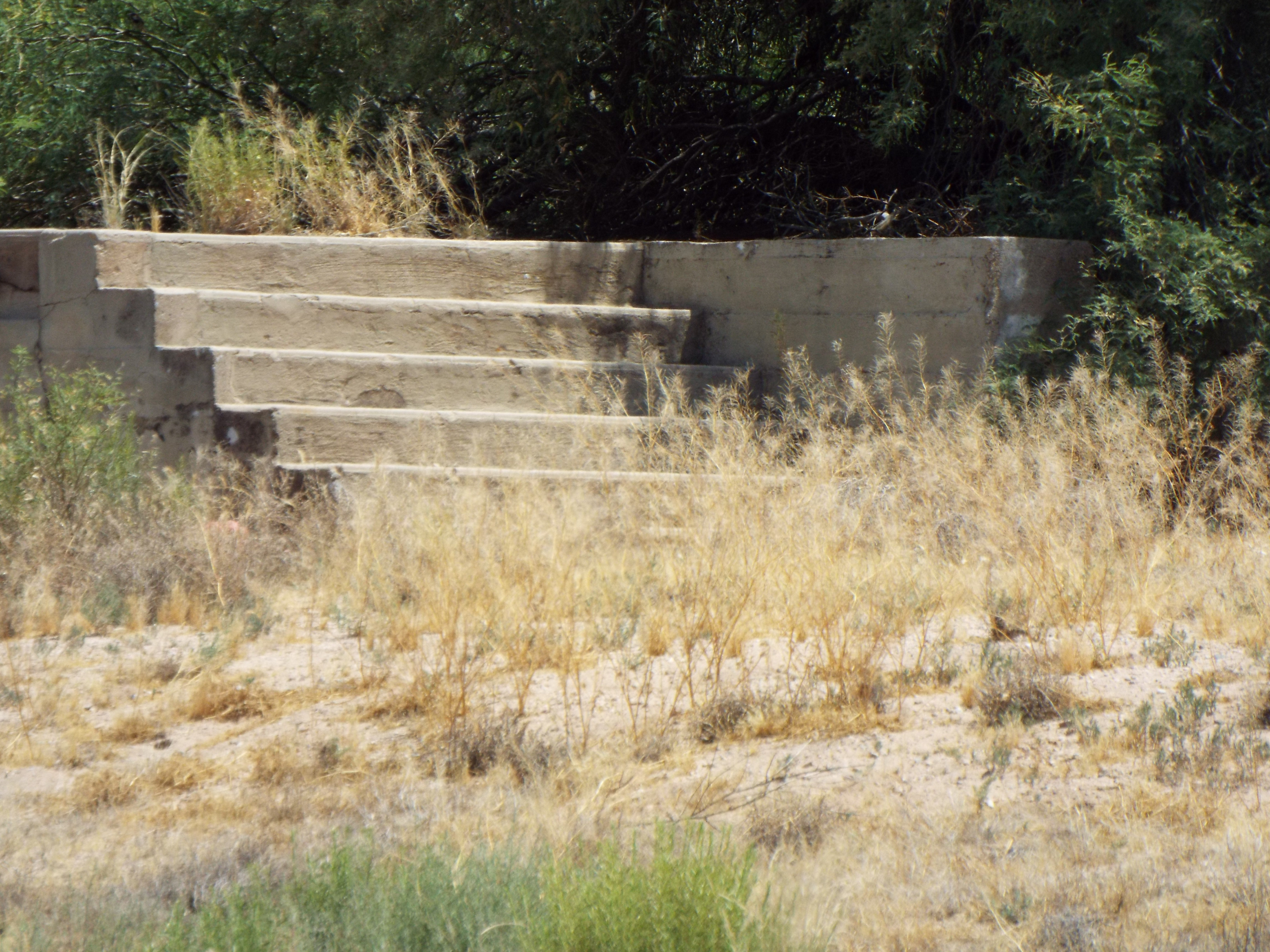
Fort Thomas, Arizona
They called it the worst fort in the Army. In an era when frontier outposts demanded sacrifice, Fort Thomas along the Gila River in Arizona Territory demanded something closer to martyrdom. Malaria swept through the adobe barracks with grim regularity, soldiers built their own quarters without government funding, and the nearest pay wagon never arrived - intercepted by bandits in what would become one of the Old West's most audacious robberies. Yet this desperate posting played a crucial role in the final campaigns against Geronimo, and from its failure grew one of Arizona's most colorful Wild West communities.
Built on Fever and Failure
The story of Fort Thomas begins with an abandoned disaster. Camp Goodwin, established in 1864 and named for Arizona's first territorial governor John N. Goodwin, lasted only briefly before malaria from a nearby spring and crumbling buildings forced its abandonment. In 1876, the Army selected a new site along the Gila River as a "new post on the Gila" to replace the failed camp during the height of the Apache Wars. Initially named Camp Thomas to honor Civil War Major General George Henry Thomas, the outpost cycled through several names - Clantonville, Maxey, Camp Thomas - before finally becoming Fort Thomas in 1882. At its peak, twenty-seven adobe buildings housed troops who had constructed every structure themselves. The government provided no funding until 1884, eight years after the fort's establishment. Malaria remained so persistent that soldiers stationed here considered the assignment a form of punishment.
The Hunt for Geronimo
Despite its miseries, Fort Thomas stood at the center of one of America's longest military campaigns. The Apache Wars had raged for decades, and Geronimo's band represented the last significant resistance to American expansion in the Southwest. Soldiers from Fort Thomas participated in the patrols, pursuits, and negotiations that eventually led to Geronimo's surrender in 1886. The capture marked the effective end of the Apache Wars, and with the threat removed, the Army began withdrawing troops from its scattered frontier posts. Fort Thomas held on until 1891, when it was finally transferred to the Department of the Interior - a quiet end for a post that had witnessed some of the most dramatic chapters in the conquest of the American Southwest.
A Town of Thieves and Opportunity
The military's departure did not mean the death of Fort Thomas. Quite the opposite. The settlement that grew around the abandoned fort earned a reputation as rough as any in the Wild West. Saloons and houses of prostitution lined its dusty streets. In 1889, bandits ambushed the Army pay wagon destined for the fort in the infamous Wham Paymaster robbery - one of the largest heists of the frontier era. Then in 1895, the Southern Pacific Railroad arrived, its construction halted when Apache people refused to allow tracks through their reservation. The resulting delay turned Fort Thomas into an impromptu railroad terminus, swelling its population with workers, merchants, and opportunists. Wells Fargo established a station. The town boomed.
The Quiet That Remains
Today, Fort Thomas counts barely three hundred residents. The elementary school and high school of the Fort Thomas Unified School District serve this community and nearby Bylas, educating descendants of both the soldiers who once garrisoned here and the Apache people they fought. The semi-arid climate remains brutal - summer days regularly exceed 100 degrees, and monsoon rains arrive unpredictably if at all. January 1993 brought the wettest month since records began in 1966, a brief deluge in a landscape defined by drought. One notable son emerged from this unlikely place: Melvin Jones, who went on to found Lions Clubs International, bringing humanitarian service to communities worldwide. From the worst fort in the Army came a legacy of global charity - an improbable redemption for a town born in fever and lawlessness.
From the Air
Fort Thomas lies at 33.02°N, 109.98°W along the Gila River Valley in Graham County, Arizona. From the air, look for the green ribbon of irrigated farmland following the river through brown desert terrain. The town sits at approximately 2,700 feet elevation. Safford Regional Airport (KSAD) lies 12 nautical miles to the southeast. Best approached from the east or west following the Gila River corridor, with the Pinaleno Mountains rising dramatically to the south.