Fort Union Trading Post National Historic Site
The guest list tells you everything. John James Audubon came to sketch birds. George Catlin and Karl Bodmer came to paint the Northern Plains tribes. Sitting Bull came to trade buffalo robes. Jim Bridger and Hugh Glass came because this was the center of the known world in the 1830s fur trade. Fort Union, built where the Yellowstone River empties into the Missouri just inside present-day North Dakota, was the headquarters of John Jacob Astor's American Fur Company and the busiest trading post on the upper Missouri for nearly forty years. Swiss artist Rudolf Kurz worked as post clerk in 1851 and left detailed drawings that archaeologists would later use to reconstruct what you see today.
Astor's Monopoly on the Frontier
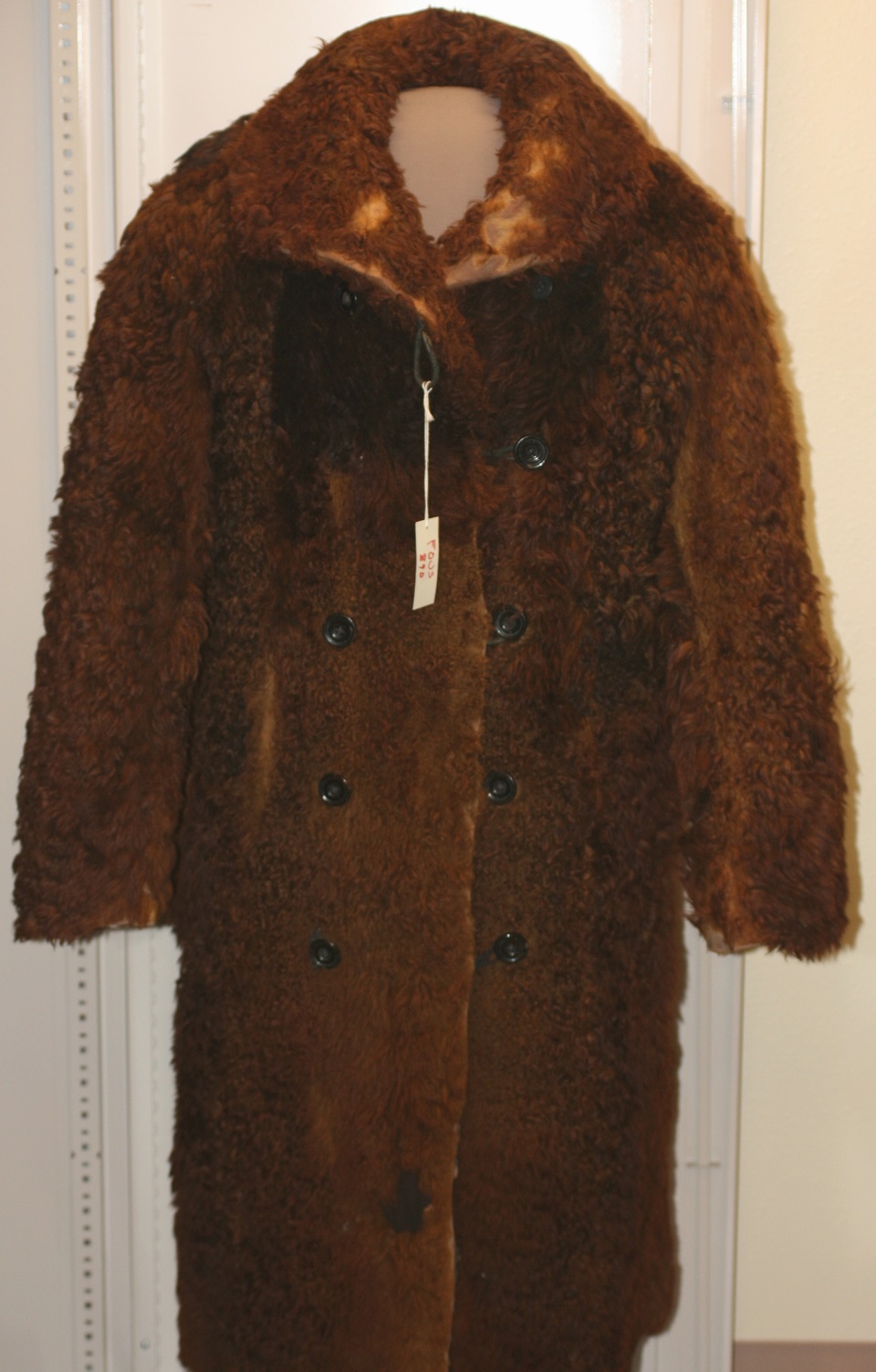
Kenneth McKenzie built Fort Union in 1828 or 1829 for the Upper Missouri Outfit, backed by John Jacob Astor's money and his near-total monopoly on the American fur trade. The location was strategic: two miles from where the Yellowstone joins the Missouri, close enough to the northern border to assert American sovereignty, and positioned at the crossroads of tribal territories. Assiniboine, Crow, Cree, Ojibwe, Blackfoot, Hidatsa, and Lakota all came here to trade. In the early years, beaver pelts drove the economy, feeding demand for fashionable beaver hats in New York and Paris. When silk and wool hats became popular in the 1830s, the trade shifted to bison robes, and the post kept thriving.
The Inventory of an Empire
Fort Union stocked everything the tribes wanted and the traders could profit from: manufactured glass beads, clay pipes, blankets, knives, cookware, cloth, firearms, and alcohol. Northern Plains peoples particularly favored the English-made North West Gun, a smooth-bore flintlock prized for its reliability. The tribes used these weapons to hunt the buffalo whose robes would return to the fort as payment. Father Pierre-Jean De Smet, a Jesuit missionary, passed through and left accounts of the commerce. Captain Joseph LaBarge navigated steamboats up the Missouri carrying trade goods and bringing furs back to St. Louis. The entrepreneurial power concentrated here influenced government policies affecting every tribe in the region.
When the River Ran Hostile
The fort operated in relative peace for decades, with conflicts between Euro-American traders and Native peoples less common here than clashes among the tribes themselves. That changed in the summer of 1863, following the Dakota Wars of 1862 in Minnesota. Tribes along the upper Missouri turned openly hostile. Fort Union came under something approaching siege, and steamboats running supplies up the Missouri faced genuine danger. Within a few years, the fur trade was dying anyway. In 1867, the Army purchased the aging post and dismantled much of it, hauling the seasoned timber two miles downstream to build Fort Buford. The empire Astor had built was ending, replaced by a military presence that would dominate the region for the next three decades.
Reconstruction of Memory
In 1961, the Department of Interior designated the site one of the earliest National Historic Landmarks in the United States. The National Park Service named it Fort Union Trading Post specifically to distinguish it from Fort Union National Monument, an Army post in New Mexico. What stands today is a partial reconstruction based on archaeological excavations and the detailed drawings Rudolf Kurz made while working as clerk. The site interprets how portions of the fort may have looked in 1851, at the height of the bison robe trade. Walking through the reconstructed palisade walls, you can understand why this spot commanded the upper Missouri: it offered a natural harbor for steamboats, protection from flooding, and sightlines in every direction across the open plains.
The Rivers Still Meet
The confluence of the Missouri and Yellowstone rivers remains one of the great geographic landmarks of the Northern Plains. The trading post sat just two miles from where these waters merge, 25 miles from present-day Williston, North Dakota. For the Assiniboine, Crow, and Blackfoot who traveled here to trade, and for the merchants who grew wealthy on their labor, this was the economic heart of the northwestern frontier. Today the reconstructed fort stands as testimony to an era when beaver felt hats drove global commerce and a Scotsman named McKenzie built an empire from buffalo robes traded in the shadow of the Rockies.
From the Air
Fort Union Trading Post National Historic Site sits at coordinates 47.999N, 104.041W on the North Dakota-Montana border, two miles from the Missouri-Yellowstone confluence. The reconstructed palisade walls are visible from the air as a distinctive rectangular compound in the otherwise empty plains. Nearest airport is Sloulin Field International (KISN) in Williston, 25 miles east. Fort Buford State Historic Site lies two miles downstream and makes an excellent combined overflight. Best viewed at 1,000-1,500 feet AGL. The river confluence itself is unmistakable, with the clearer Yellowstone meeting the muddier Missouri.