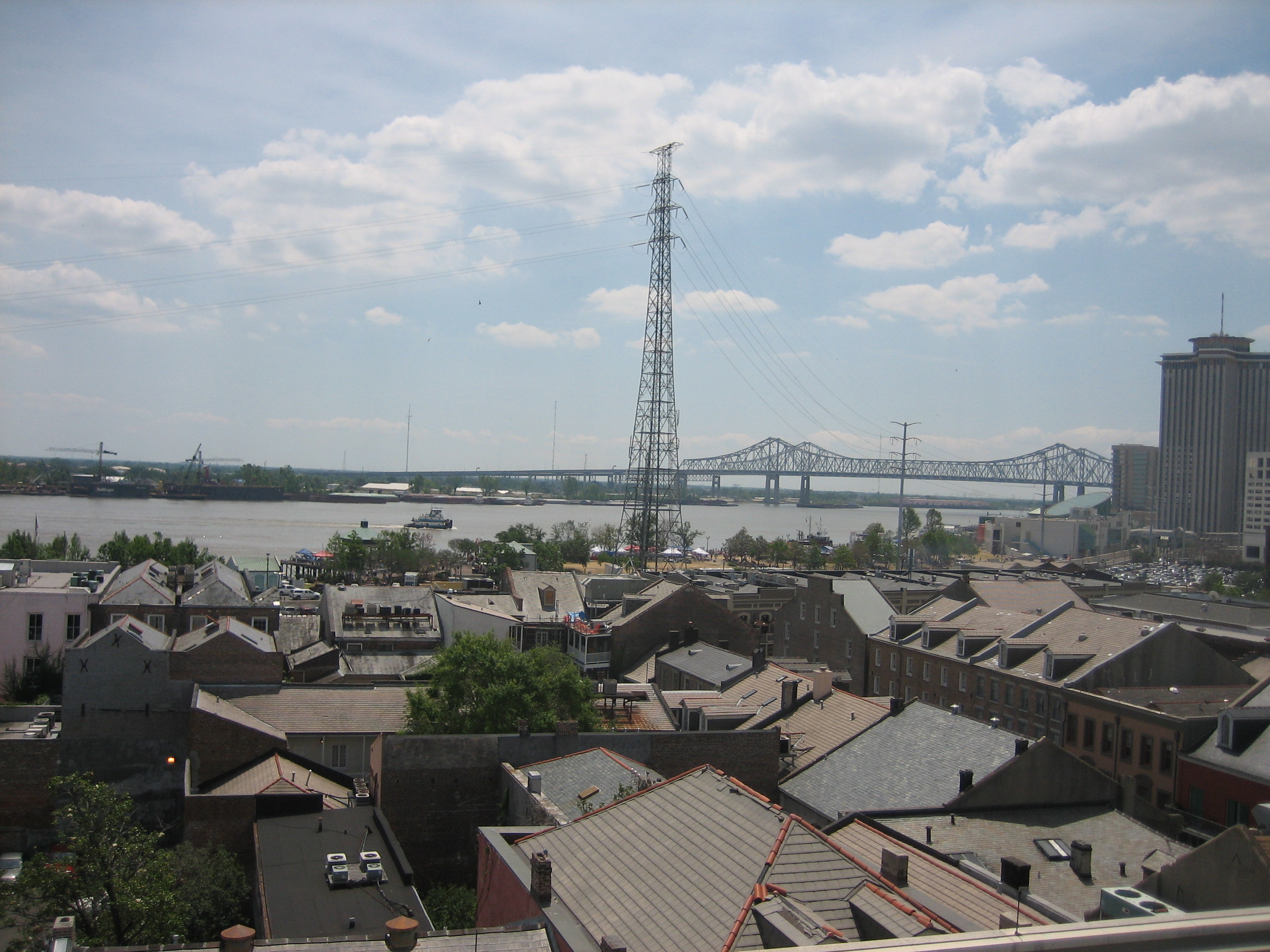
French Quarter: Where America Invented Jazz
The French Quarter isn't French anymore - it burned twice and was rebuilt by the Spanish, sold to Americans, survived Civil War, and somehow maintained the oldest character in any American city. The iron balconies, the narrow streets, the courtyards hidden behind weathered walls - they've witnessed 300 years of culture that never fit American norms. Jazz was born here, in the dance halls and funeral processions, where African rhythms met European instruments. The bars never close. The music never stops. Mardi Gras turns excess into religion. The French Quarter has survived hurricanes, yellow fever, occupation, and gentrification. It keeps serving drinks and playing music, the oldest party in America.
The Architecture
What tourists call French architecture is mostly Spanish. The Quarter burned in 1788 and 1794, destroying most French colonial structures. The Spanish rebuilt in their style: thick walls, interior courtyards, iron balconies. The Americans who arrived after the Louisiana Purchase added shotgun houses and Creole cottages. The mix created something unique - European street patterns, Caribbean influences, American improvisation. The Quarter was commercial and residential, wealthy and poor, respectable and notorious, often simultaneously. Preservation began early; the Vieux Carré Commission, established in 1936, has protected the district's character against development that transformed every other American downtown.
The Music
Jazz emerged in New Orleans around 1900, born from collision. African rhythms and call-and-response traditions met European brass band instruments. Caribbean syncopation from nearby islands blended with blues from the Mississippi Delta. Storyville, the legalized red-light district, provided steady employment for musicians. Second line parades - the dancing crowds following brass bands at funerals and celebrations - created jazz's street presence. Louis Armstrong grew up in the Battlefield, near the Quarter, playing cornet in honky-tonks before leaving for Chicago. The music that would define American culture was played first in New Orleans bars, brothels, and funeral processions.
The Excess
Bourbon Street is the Quarter's compromise between history and tourism. The neon, the frozen drinks, the crowds of conventioners - none of this is traditional. But the tradition of excess is genuine. New Orleans has always been the American city where rules loosened. French and Spanish Catholics celebrated rather than suppressed carnival; Americans joined in. The bars never closed because closing wasn't the culture. The temperance movements that transformed Northern cities made little impact here. Today's Bourbon Street is commercialized chaos, but it continues something real: the Quarter has always offered license that respectable America pretended not to want.
The Survival
Hurricane Katrina in 2005 flooded most of New Orleans but spared the Quarter - the highest ground in a low city, the original settlement site chosen precisely because it didn't flood. The Quarter's survival was symbolic: the oldest part of New Orleans proved most resilient. But survival has always been the Quarter's story. Yellow fever epidemics killed thousands. Occupation by Union forces during the Civil War transformed the city. Economic decline through most of the 20th century left the Quarter seedy but intact. Each disaster was followed by recovery, the bars reopening, the music resuming, the party continuing despite everything.
Visiting the French Quarter
The French Quarter occupies approximately 78 blocks in downtown New Orleans, bounded by Canal Street, Rampart Street, Esplanade Avenue, and the Mississippi River. Jackson Square, with St. Louis Cathedral, provides the historic heart. Bourbon Street delivers the expected chaos. Royal Street offers antiques and galleries. Frenchmen Street, just outside the Quarter, provides more authentic live music venues. Café du Monde serves beignets around the clock. The Quarter is walkable day and night, though awareness of surroundings is prudent. Summers are brutally hot and humid. Mardi Gras and Jazz Fest transform the city; book far ahead. The experience is overwhelming and unapologetic - come prepared to surrender to it.
From the Air
Located at 29.96°N, 90.06°W on the Mississippi River in New Orleans, Louisiana. From altitude, the French Quarter appears as a grid of narrow streets distinct from surrounding neighborhoods, bounded by the curving Mississippi. The distinctive street pattern - the original colonial grid - is visible. Jackson Square, with St. Louis Cathedral's triple spires, provides a landmark. The Crescent City's nickname is obvious from altitude - the river bends dramatically around the city. Lake Pontchartrain lies to the north; the Industrial Canal marks the boundary of the areas flooded during Katrina. The Quarter's high ground, chosen by French founders who understood flooding, is apparent in its position on the river's natural levee.