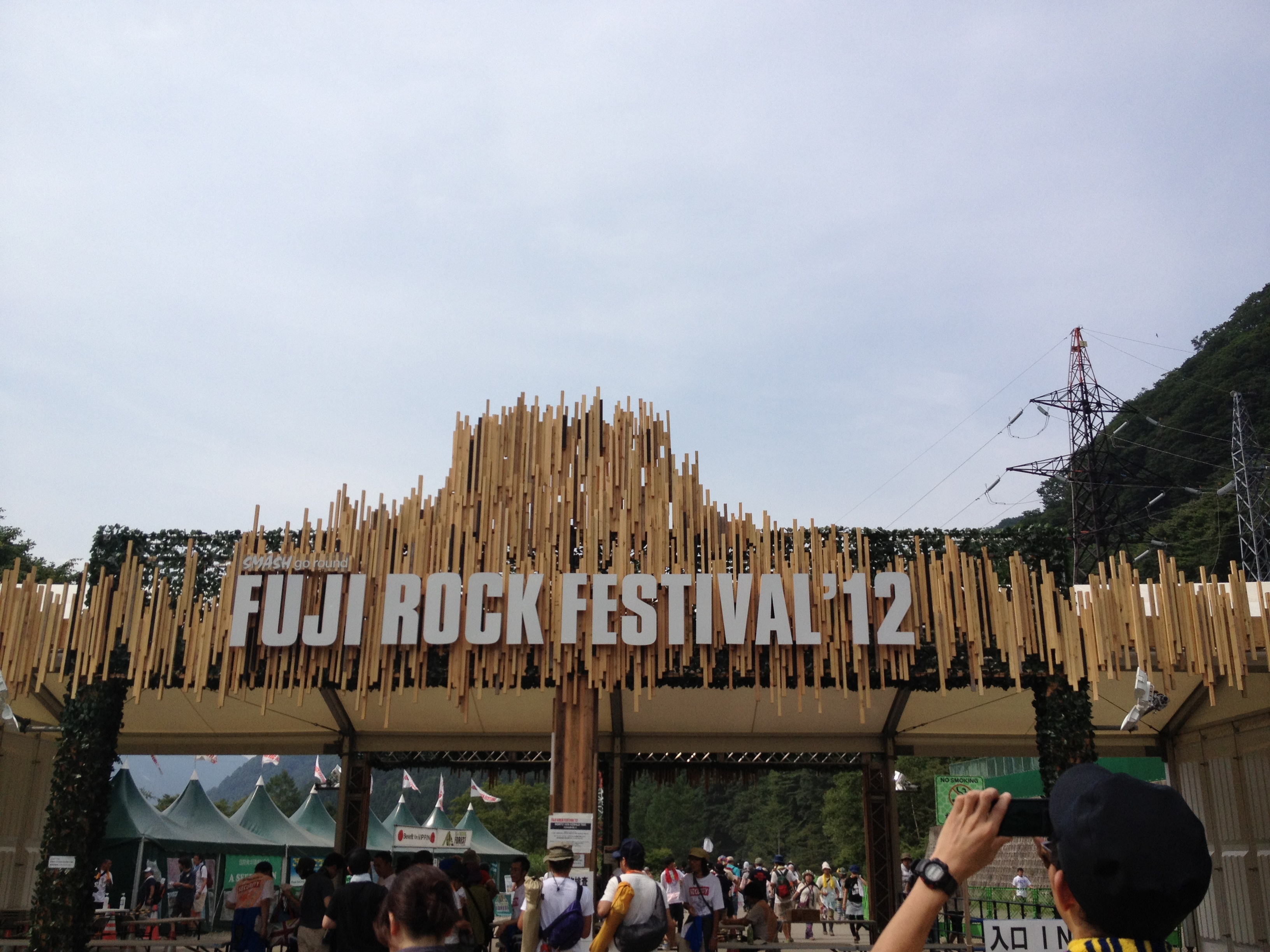
Fuji Rock Festival
Anthony Kiedis played through the typhoon with a broken arm. It was July 1997, the first day of Japan's first outdoor rock festival, held at the base of Mount Fuji, and everything was going wrong. A typhoon slammed the Tenjinyama Ski Resort with rain and howling wind. Festival-goers, unprepared for the onslaught, suffered hypothermia in the mud. The Red Hot Chili Peppers' set that night became the stuff of legend among those who endured it. The organizers cancelled the second day. And somehow, from that catastrophe, Fuji Rock Festival was born, growing into the largest outdoor music event in Japan, a three-day gathering of over 200 artists and more than 120,000 fans nestled in the mountains of Niigata Prefecture, far from the volcano that gave it its name.
A Festival That Kept Moving
The first year nearly killed it. After the 1997 typhoon disaster at Mount Fuji, organizers moved the 1998 festival to Tokyo Bayside Square in Toyosu, on Tokyo's waterfront. Bjork and The Prodigy headlined, and the event was a success, but the searing mid-summer Tokyo heat proved unbearable. The festival needed mountains. In 1999, it found its permanent home at Naeba Ski Resort in Yuzawa, Niigata Prefecture, expanding from two days to three. Rage Against the Machine, Blur, and ZZ Top christened the new location. Naeba sits nowhere near Mount Fuji, but the name stuck, a reminder of the storm that started it all. The organizers, having learned brutally from their first year, built the infrastructure to handle whatever the mountains could throw at them.
A Mountain Playground
Seven main stages and several smaller ones scatter across the Naeba ski resort grounds, connected by forest trails that wind through cedar groves and over sparkling streams. The Green Stage, the main arena, holds nearly 50,000 spectators. The White Stage, Red Marquee, Orange Court, and Field of Heaven each offer a different atmosphere, from open-air amphitheater to intimate tent venue. The Dragondola, one of the longest gondola lifts in the world at 5,481 meters, carries festival-goers up the mountain to stages and viewpoints overlooking the entire site. The walks between stages can be long and hilly, but that is part of the design. Fuji Rock is as much a hiking experience as a concert, and the journey between acts, through forest and mist and mountain air, is where the festival reveals its real character.
The Cleanest Festival in the World
Fuji Rock aspires to be the cleanest festival on Earth, and the effort is visible everywhere. Recycling stations dot the grounds. Volunteers sort waste meticulously. The site operates with a Leave No Trace ethos unusual for events of this scale. The hub of the festival is Oasis, where more than 30 food stalls offer cuisine from around the world, staying open late into the night even after the main stages close. The Red Marquee hosts an all-night rave that runs until 5 a.m. The Thursday night before the festival officially begins, a free opening party features bon-odori, traditional Japanese folk dancing, along with food stalls, prize draws, and fireworks. About 17,000 fans camp on a golf course adjacent to the site each year, pitching tents on fairways while the manicured putting greens remain tantalizingly off-limits.
A Lineup That Defines Eras
The roster of artists who have played Fuji Rock reads like a history of modern music. The Red Hot Chili Peppers have headlined five times across the festival's life. Radiohead drew a record 140,000 attendees in 2012. Bob Dylan, Kendrick Lamar, and Bjork have all topped the Green Stage bill. The festival consistently blends Western rock and electronic acts with Japanese artists like Denki Groove, Ego-Wrappin', and Sambomaster, creating a cross-cultural conversation unique in the festival world. In 2021, during the COVID-19 pandemic, the festival went entirely domestic for the first time, headlined by Radwimps and King Gnu. International acts returned in 2022. By 2025, attendance hit 122,000, with Fred Again, Vulfpeck, and Vampire Weekend headlining and a new stage, Orange Echo, debuting to replace the mountaintop Day Dreaming stage.
Mountains and Music After Dark
When the last act finishes on the Green Stage and the main site closes, Fuji Rock does not end. The Red Marquee pulses with electronic music until dawn. Festival-goers who cannot sleep wander the forested paths lit by small lanterns, finding impromptu acoustic sessions and quiet conversations around vending machines glowing in the mountain darkness. A free shuttle bus runs from Echigo-Yuzawa Station until 2 a.m., ferrying fans between the town of Yuzawa and the festival grounds. By 9 a.m. the site reopens, and the cycle begins again. The mountains surrounding Naeba catch the morning mist, and the air carries the scent of cedar and woodsmoke. It is a festival that understands something essential: the space between the music matters as much as the music itself.
From the Air
Fuji Rock Festival takes place at Naeba Ski Resort, located at 36.799N, 138.784E in the mountains of Yuzawa, Niigata Prefecture. The ski resort's cleared runs and gondola infrastructure are visible from altitude. During the festival in late July, large temporary structures, camping areas on the adjacent golf course, and parking lots become visible. Nearest airport is Niigata (RJSN), approximately 100 km to the north. Shinshu-Matsumoto (RJAF) lies roughly 120 km to the southwest. Tokyo Narita (RJAA) and Haneda (RJTT) are approximately 200 km to the south. Despite the festival's name, Mount Fuji is over 200 km to the south and not visible from this location. Look for the Dragondola gondola line running up the mountainside as an identifying feature.