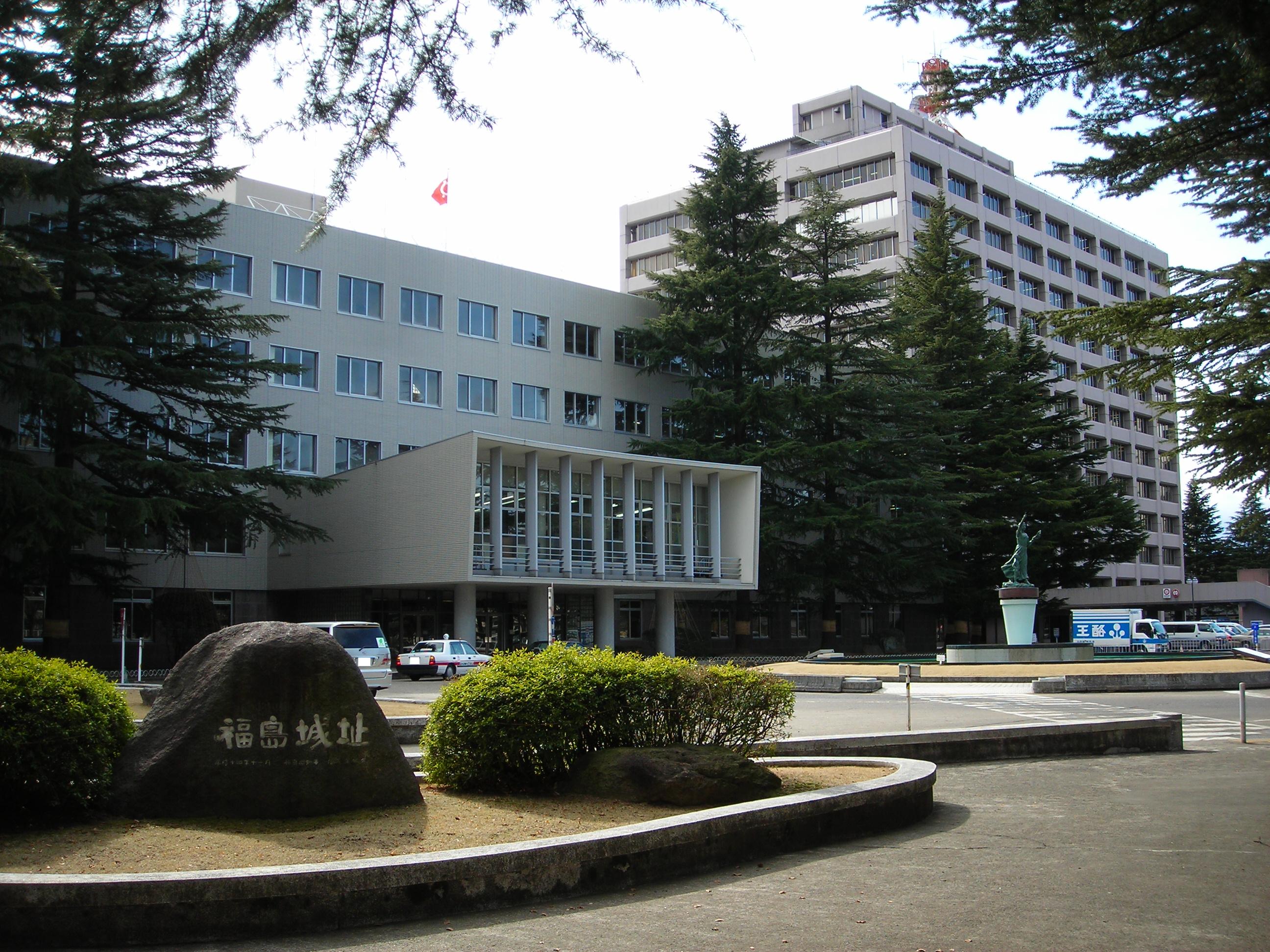
Fukushima Castle: The Fortress That Became a Parking Lot
In 1413, a nobleman named Date Mochimune barricaded himself inside a hilltop fortification in northern Honshu and defied the Ashikaga shogunate. That act of rebellion is the first recorded mention of the castle that would become Fukushima's center of power for over four centuries. Today, nothing remains. The Fukushima Prefectural Office stands on the site, and bureaucrats park their cars where samurai once drilled. But the story of Fukushima Castle -- a fortress that changed hands, changed names, and watched armies clash on the plains below -- is the story of feudal Japan itself, compressed into one patch of ground in Tohoku.
A Rebel's Stronghold
The Date clan held Fukushima Castle as one of their southern strongholds through most of the Muromachi Period, the turbulent era of warring feudal lords that defined fifteenth-century Japan. The fortress anchored their territory in what is now Fukushima Prefecture, serving as a staging point for the clan's ambitions in the Tohoku region. Under Date Terumune and Date Harumune, the castle carried a different name entirely, reflecting the fluid identity of Japanese fortifications that shifted with each new master. It was a working military installation, not a showpiece -- built for defense in an age when defense was a daily concern.
A More Auspicious Name
In 1592, the powerful warlord Gamo Ujisato swept through the region and captured nearby Omori Castle. He assigned the fortress to his retainer Kimura Yoshikiyo, who received it as the center of a 50,000 koku domain -- a substantial holding measured in rice production, the currency of feudal status. The castle was renamed Fukushima, meaning "fortunate island," because the new rulers considered it a more auspicious name. The renaming was more than superstition; it was a political signal. A new name announced new ownership, new allegiance, and a fresh start under a different banner. The name stuck long after the men who chose it were gone.
Armies on the Plain
The Battle of Matsukawa in 1601 brought war directly to Fukushima Castle's doorstep. Date Masamune -- the famous "One-Eyed Dragon" of the Date clan, one of the most celebrated warriors of the Sengoku period -- clashed with Honjo Shigenaga on the plains outside the castle walls. This was no minor skirmish but a significant engagement in the upheaval following the Battle of Sekigahara, when Japan's feudal lords were choosing sides and settling scores. The plains around the castle ran with the consequences of that national power struggle, turning Fukushima's rice fields into a battlefield.
The Revolving Door of Lords
Under the Tokugawa shogunate, Fukushima became a tenryo territory -- land directly controlled by the central government -- with a productive capacity of 200,000 koku. Then in 1679, Honda Tadakuni arrived from Yamato-Komiyama Domain, creating the formal Fukushima Domain. He lasted three years before being transferred to Himeji. In 1686, Hotta Masanaka came from Yamagata; his son was sent back to Yamagata in 1700. The Tokugawa system treated domain lords like chess pieces, shuffling them to prevent any family from building too much local power. Fukushima Domain was finally stabilized in 1702 when Itakura Shigehiro arrived from Itaki Domain in Shinano Province. His branch of the Itakura clan held the castle through the remaining century and a half of shogunal rule, the longest continuous stewardship in the fortress's history.
Surrender and Demolition
In 1868, as the Meiji Restoration swept away the feudal order, Fukushima Castle was surrendered to the Satcho Alliance without a fight. The domain was abolished the following year, and the castle itself was demolished at the start of the Meiji period. Across Japan, hundreds of castles met the same fate -- symbols of the old order torn down to make way for the new. In Fukushima's case, the site was put to practical use: government buildings rose where towers had stood. The Fukushima Prefectural Office now occupies the ground, and the only trace of the fortress that defined this city's first 450 years is its name on the map and in the historical record. The castle that survived rebellions, warlords, and reshuffled domains could not survive progress.
From the Air
Located at 37.75°N, 140.49°E in the center of Fukushima City, Tohoku region, northern Honshu. The castle site is now occupied by the Fukushima Prefectural Office building complex, visible as a large government campus in the city center. Mount Shinobu rises just to the northwest. The Abukuma River flows through the city. Fukushima Airport (RJSF) lies approximately 35 nautical miles to the south. Best viewed at 3,000-5,000 feet AGL to appreciate the city layout and understand the castle's former strategic position controlling the plains below.