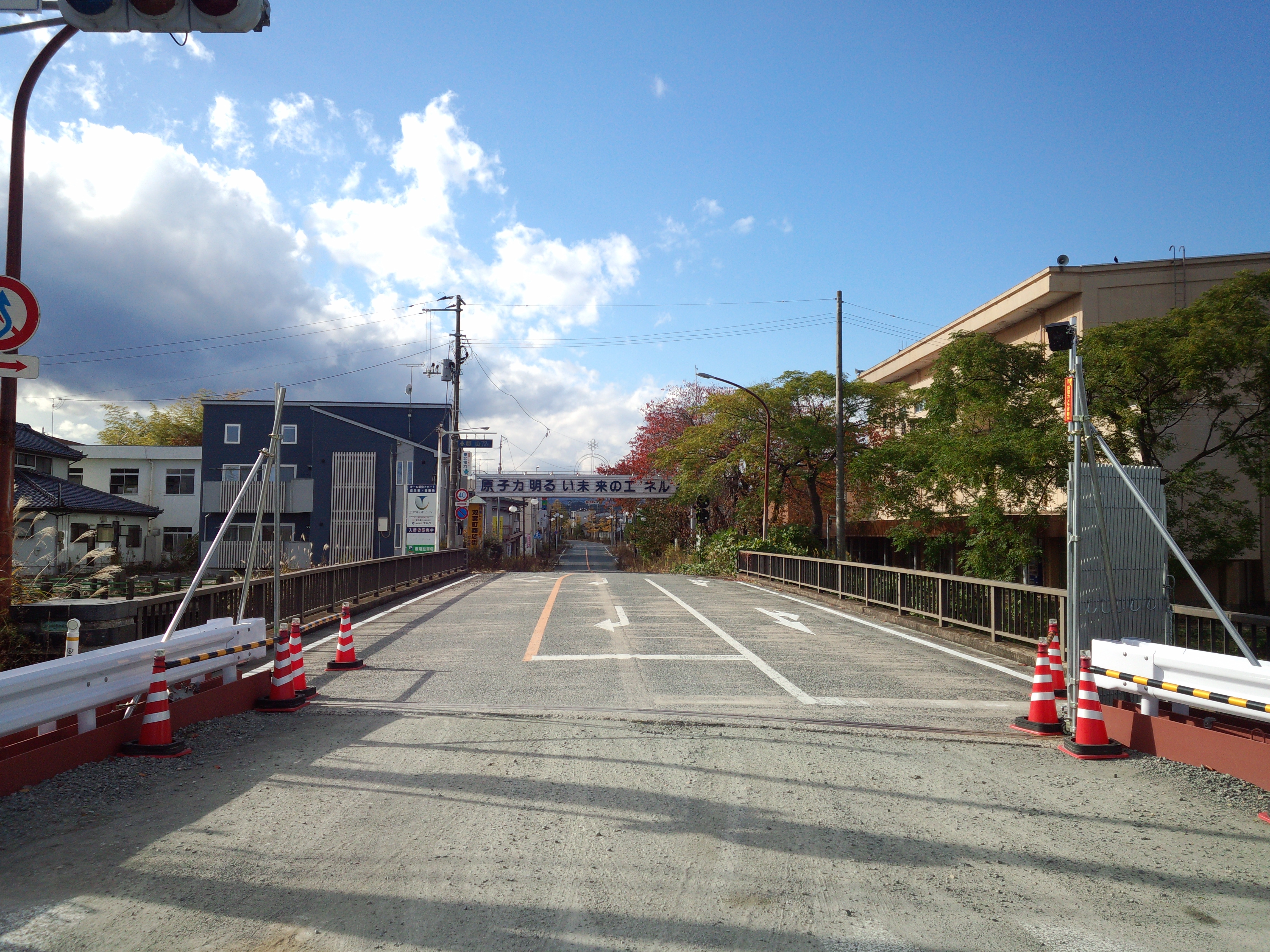
Fukushima Nuclear Accident
TEPCO officials were instructed not to say the words 'core meltdown.' For two months after March 11, 2011, the company that operated the Fukushima Daiichi Nuclear Power Plant concealed what its own engineers already suspected: that the fuel in three of six General Electric boiling water reactors had melted through their pressure vessels. The earthquake and tsunami that triggered the disaster were acts of nature. But three separate investigations concluded that the catastrophe itself was man-made -- rooted in what one commission called a 'network of corruption, collusion, and nepotism' between the utility and its regulators. The accident was rated Level 7 on the International Nuclear Event Scale, matching Chernobyl as the only other event to earn that designation.
A Catastrophe That Was Foreseen
The warnings were there for anyone willing to read them. In 2002, the government earthquake research headquarters estimated that a tsunami large enough to overwhelm the plant could strike the coast. TEPCO's own 2008 internal study identified an immediate need to improve flood protections. Neither finding led to action. TEPCO later admitted it had avoided taking stronger safety measures for fear of inviting lawsuits, protests, or public anxiety about its nuclear plants. The Ministry of Economy, Trade and Industry -- the agency charged with both promoting and regulating the nuclear industry -- operated under an inherent conflict of interest that the IAEA flagged just three months after the disaster. When the magnitude 9.0 Tohoku earthquake struck on March 11, the Fukushima Daiichi plant's sea wall was designed for a 5.7-meter wave. The tsunami that arrived measured roughly 14 meters.
Station Blackout
The earthquake triggered automatic shutdowns in the three operating reactors, but the real crisis began 49 minutes later when the tsunami flooded the basements housing the emergency diesel generators. With both external grid power and backup generators gone, Fukushima Daiichi suffered a complete station blackout. Battery power in some units lasted hours at best. Without electricity, cooling pumps failed, valve controls went dead, and instrument readings in the control rooms went dark. Over the following days, hydrogen explosions blew apart the reactor buildings of Units 1, 3, and 4. The fuel in reactors 1, 2, and 3 melted down. Workers battled impossible conditions -- spraying seawater from fire trucks, venting radioactive steam, and rigging emergency cables -- while evacuation zones expanded outward in concentric rings: 3 kilometers, then 10, then 20.
The Human Toll
At its peak in June 2012, some 164,000 people were displaced from their homes. Fifty-one fatalities are attributed directly to the chaotic evacuation itself. According to the United Nations Scientific Committee on the Effects of Atomic Radiation, no adverse health effects among Fukushima residents have been documented that are directly attributable to radiation exposure. Radiation doses for nearby residents were estimated at 12 to 25 millisieverts in the first year -- a fraction of the 170-millisievert lifetime dose from natural background radiation. But the psychological damage ran deep. A 2014 metareview found that rates of psychological distress among evacuees rose fivefold compared to the Japanese average, with widespread anxiety, sleep disturbance, and post-traumatic stress. Children were told to stay indoors, leading to a measurable increase in childhood obesity in the affected area.
Poisoned Waters, Shifting Policies
The accident released between 7 and 20 petabecquerels of caesium-137 into the atmosphere and a significant additional quantity directly into the ocean through groundwater leaks. By October 2019, 1.17 million cubic meters of contaminated water sat in storage tanks at the plant. In August 2023, Japan began discharging treated wastewater into the Pacific Ocean -- a decision approved by the IAEA but bitterly protested across the region, with China blocking all Japanese seafood imports. The total cleanup cost was estimated at 20 trillion yen (roughly 180 billion US dollars) by Japan's trade ministry in 2016. The accident also rewrote energy policy worldwide: Germany accelerated its nuclear phase-out, Japan's nuclear share of electricity collapsed from over 25 percent to less than one percent, and fossil fuel imports surged by 3.6 trillion yen annually to fill the gap.
A Forty-Year Reckoning
TEPCO completed removing 1,535 fuel assemblies from the Unit 4 spent fuel pool in December 2014 and 566 from Unit 3 in February 2021. But the hardest work lies ahead: retrieving the melted fuel debris from the containment vessels of reactors 1, 2, and 3, where radiation levels were measured at 530 sieverts per hour in 2017 -- so intense that robots sent inside promptly ceased functioning. The full decommissioning is projected to take 30 to 40 years. In September 2020, the Great East Japan Earthquake and Nuclear Disaster Memorial Museum opened in the nearby town of Futaba, offering exhibits in English, Chinese, and Korean. In July 2022, a Tokyo district court ordered four former TEPCO executives to pay 13 trillion yen -- roughly 95 billion dollars -- in damages, though the Tokyo High Court overturned that judgment in June 2025. The site that once powered millions of homes now stands as the most expensive cleanup project in nuclear history.
From the Air
Located at 37.42°N, 141.03°E on the Pacific coast of Fukushima Prefecture, Japan. The Fukushima Daiichi plant is visible from altitude as a cluster of damaged reactor buildings along the shoreline, with the distinctive skeletal remains of the Unit 1 and Unit 3 reactor buildings and extensive tank farms storing contaminated water stretching inland. The site is within restricted airspace. Nearest major airports: Fukushima Airport (RJSF) approximately 65 km west, Sendai Airport (RJSS) approximately 100 km north. The surrounding Hamadori coast is a flat, sparsely populated coastal plain. Some towns within the former 20-km exclusion zone remain largely abandoned, visible from the air as intact but empty grids of roads and buildings amid encroaching vegetation.