Gdansk
The 20th century's greatest war began here, and European communism began its end here too. Gdansk is Poland's Baltic port of 470,000, a place whose Hanseatic merchants built fortunes from trade - fortunes that war destroyed and reconstruction painstakingly restored. Before it was Polish Gdansk, it was German Danzig. Solidarity was born in the Lenin Shipyard. Lech Walesa became its symbol. Polish history runs at its most concentrated through this city, whose significance far exceeds its size.
The Long Market
The Long Market is Gdansk's historic heart, a grand rectangle where Hanseatic merchants displayed their wealth in townhouses with competing facades. World War II destroyed it completely. Poland reconstructed it faithfully. At its center stands the Neptune Fountain, anchoring the space, while the Artus Court recalls the hall where merchants once gathered.
What can reconstruction achieve when records survive? The Long Market answers that question. Decades of rebuilding produced results so convincing that tourists now assume everything is original. Behind every restored facade lies a statement of Polish determination - the very quality reconstruction demanded.
Solidarity
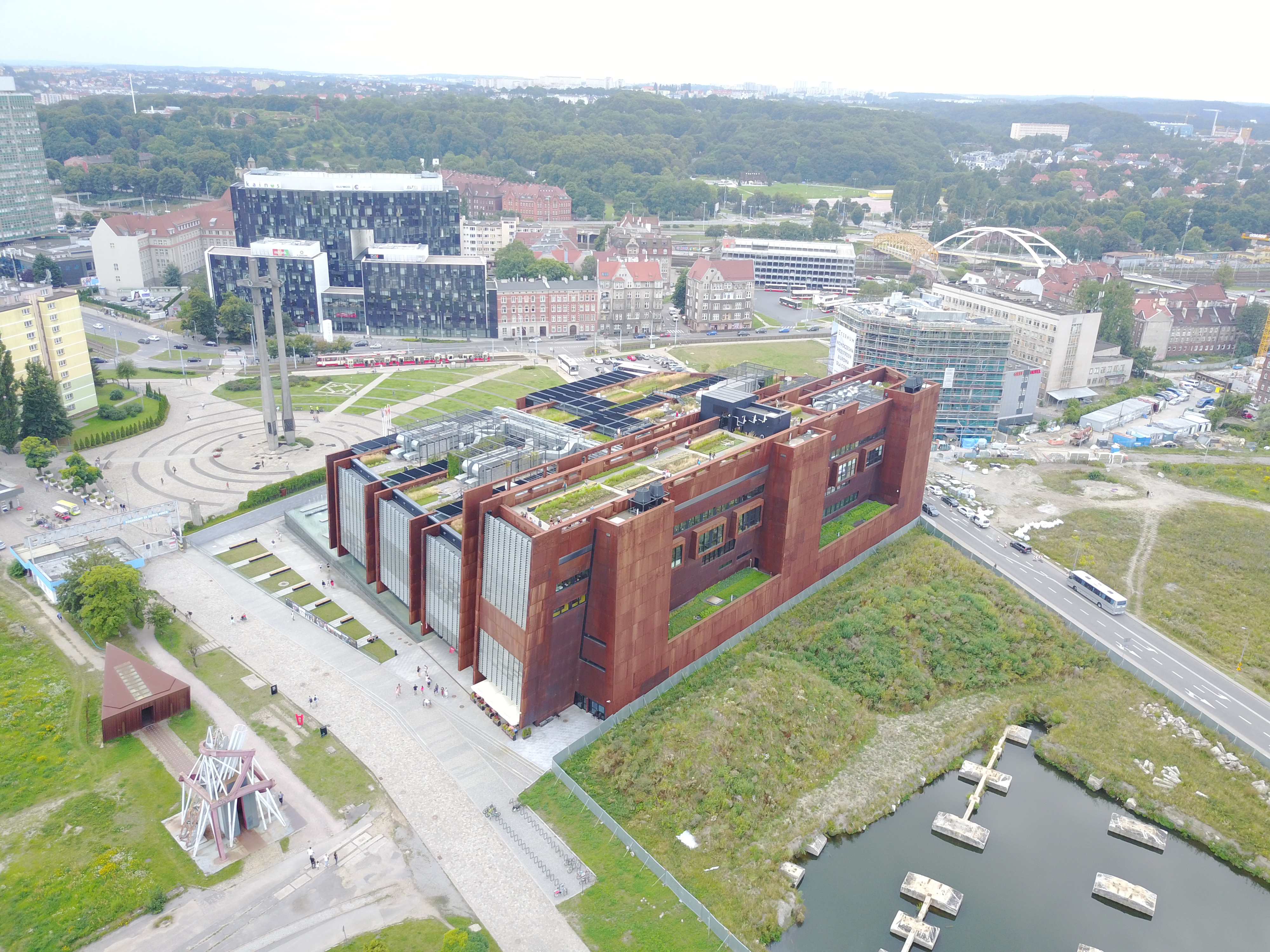
In 1980, a strike began at Gdansk's Lenin Shipyard. It became a movement. Then it became the beginning of communism's end in Europe. Lech Walesa led the workers from those shipyard gates, where crowds gathered and a monument now commemorates the workers killed in 1970. Solidarity is what makes Gdansk historically significant beyond its architecture.
European history pivoted on this movement - the first crack in an Iron Curtain that would disappear entirely within ten years. Why does Gdansk matter politically? Because Polish courage created Solidarity here, and Solidarity changed everything.
World War II
On September 1, 1939, German forces attacked the Westerplatte peninsula. Polish soldiers resisted. World War II had begun. The war destroyed the Danzig that Germans had built, killed millions in the city and beyond, and ended with Polish Gdansk replacing German Danzig. It is a presence the rebuilt city cannot escape.
Every element of modern Gdansk bears the war's imprint: reconstructed buildings rising from rubble, a Polish population replacing the expelled Germans, monuments standing guard over memory. This history is what makes Gdansk's beauty so poignant.
The Amber Trade
For centuries, Gdansk has traded in amber - Baltic gold that washes up on beaches before craftsmen turn it into jewelry and art. This commodity made Gdansk wealthy when the city stood at the center of the European amber trade. Walk any tourist street today and you will find shops still selling it.
Amber connects Gdansk to prehistoric commerce. Insects trapped millions of years ago peer out from polished stone, a mineral humans have valued since the Bronze Age. The commodity endures; the trade continues.
The Motlawa
Along the Motlawa River stands the Crane, medieval Europe's largest, still watching over a waterway where tour boats now float past reconstructed facades. This channel once connected Gdansk to the Baltic and carried the trade on which the city's fortune depended. It remains the city's grandest display.
Every iconic Gdansk photograph features the Motlawa. Water reflects facades that fire destroyed and determination rebuilt. Here, more than anywhere, Gdansk shows itself at its best.
From the Air
Gdansk (54.35N, 18.65E) lies at the mouth of the Motlawa River on Poland's Baltic coast. Gdansk Lech Walesa Airport (EPGD/GDN) is located 12km northwest with one runway 11/29 (2,800m). The reconstructed old town is visible along the Motlawa River. The port and shipyard areas extend along the coast. The Westerplatte peninsula is at the harbor entrance. Gdynia and Sopot form the Tri-City area along the coast. Weather is maritime - cold winters, mild summers. Baltic Sea moderates temperatures. Snow possible November-March.