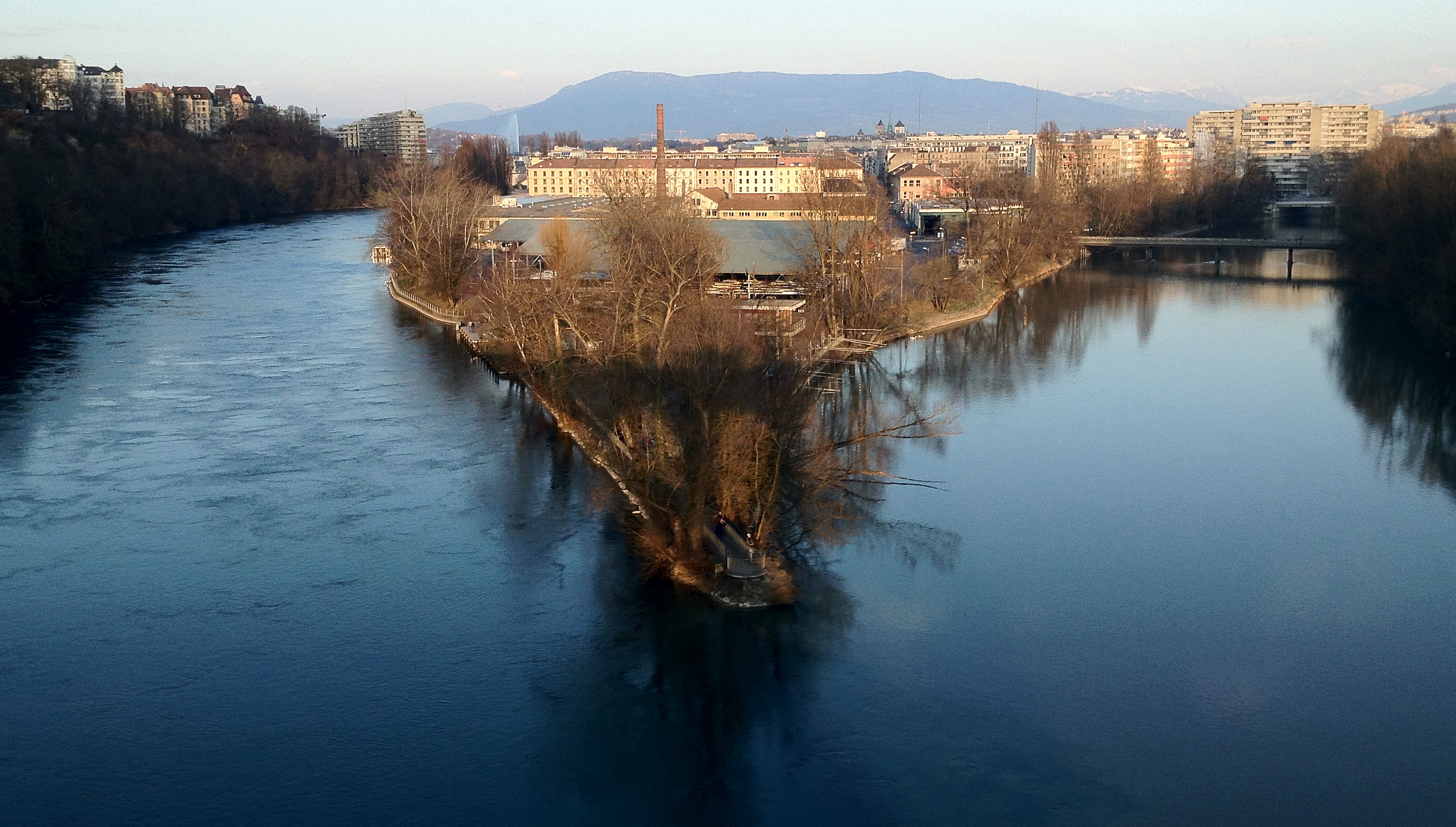
Geneva
Geneva is international by default - home to the United Nations European headquarters, the Red Cross, the World Health Organization, the World Trade Organization, and over 200 other international organizations. The city owes this status to Swiss neutrality, which made it acceptable to parties who could not meet on each other's soil, and to the Calvinist tradition that made Geneva a refuge for those persecuted elsewhere. John Calvin turned 16th-century Geneva into a theocratic experiment, imposing a moral discipline that shaped Protestantism worldwide; the discipline faded, but the reputation for rectitude persisted. Today Geneva holds 200,000 people in the city proper, 600,000 in the metropolitan area, a population that is nearly half foreign - diplomats and aid workers and bankers who live in Switzerland without quite living in it. The Jet d'Eau that shoots water 140 meters into the air, the lake that separates city from Alps, the wealth that insulates but cannot quite satisfy - Geneva is a beautiful place to negotiate difficult things.
The International City
The Palais des Nations, built for the League of Nations and now housing UN European headquarters, sprawls through Ariana Park on the lake's northern shore. The corridors where diplomats walk were designed for an organization that failed to prevent World War II; the institution that replaced it continues in the same buildings, the architecture a reminder of what international cooperation tried and failed to achieve.
The other organizations cluster nearby: WHO, WTO, UNHCR, the International Labour Organization, each with its own building, its own mandate, its own parking privileges. The diplomatic community creates a city within the city - the international schools, the duty-free shops, the apartments that cost fortunes but lack Swiss character. Geneva serves international bureaucracy the way Zurich serves finance: without enthusiasm but with efficiency.
Calvin's City
John Calvin arrived in Geneva in 1536, fleeing persecution in France, and spent the rest of his life transforming the city into a Protestant model. The Consistory that he established enforced moral discipline: no dancing, no theater, no Catholic practices, punishment for deviation that ranged from public confession to execution. The Reformation Wall in Parc des Bastions commemorates Calvin and his fellow reformers in 15-meter statues; the severity that made Geneva famous persists in the faces carved in stone.
The Calvinism that shaped Geneva has faded in practice but persists in culture. The reserve that visitors note, the suspicion of display, the preference for understatement over ostentation - these reflect centuries of moral formation even when the theology has departed. Geneva's wealth is real but rarely flaunted; the city that banned worldly pleasure has learned to enjoy it quietly.
The Lake and the Alps
Lake Geneva - Lac Leman in French - stretches 70 kilometers from Geneva to Montreux, the Alps rising on the southern shore to heights that seem impossible for features so close. The lake defines the city's geography and its beauty, the view from the waterfront promenades encompassing water and mountains in arrangements that wealth cannot improve upon.
The Jet d'Eau, the fountain that shoots water 140 meters from a platform in the lake, was originally a pressure release valve for the city's hydraulic power network. The happy accident became a symbol, the fountain operating during daylight hours for tourists who photograph what was never meant to be photographed. The lake offers swimming in summer, sailing year-round, and always the view that makes Geneva's astronomical rents seem almost reasonable.
The Banking Tradition
Geneva's private banks manage over $2 trillion in assets, serving clients who value discretion above all. Swiss banking secrecy, though weakened by international pressure, remains a selling point; the tradition that protected French Huguenots' assets now protects whoever can afford the minimums. The banks cluster in the old city and the Rue du Rhone, their facades understated, their interiors invisible.
The banking industry shapes Geneva's economy and its discretion. The city that hosts human rights organizations also hosts money whose origins are not always examined. The tension is acknowledged and managed rather than resolved; Geneva serves clients who value its services, whether those services are diplomacy or wealth management. The city's neutrality extends to moral judgments.
The Swiss Exception
Geneva is Swiss but not quite Swiss - French-speaking in a German-dominated confederation, international in a country that prizes isolation, cosmopolitan in a nation that controls immigration carefully. The canton joined Switzerland in 1815, the last major addition, its French character never fully absorbed into Swiss German conformity.
The Geneva of the Swiss - the fondue restaurants and chocolate shops, the orderly streets and punctual trains - coexists with the Geneva of internationals, who experience the city as expensive but efficient backdrop for work that matters more than place. The two populations rarely mix; the internationals depart when postings end, the Swiss remain. Geneva serves both without fully belonging to either.
From the Air
Geneva (46.20N, 6.15E) lies at the southwestern tip of Lake Geneva, where the Rhone River exits toward France. Geneva Airport (LSGG/GVA) is located 4km north of the city center with one main runway (04/22, 3,900m). The airport straddles the Swiss-French border with terminals on both sides. The Jet d'Eau fountain is visible in the lake. The old city clusters on the south bank of the Rhone. Mont Blanc (4,808m) and the Alps are visible to the southeast on clear days. Lake Geneva extends to the northeast. Weather is continental with Alpine influence. Fog is common in autumn and winter, sometimes persisting for days in the lake basin.