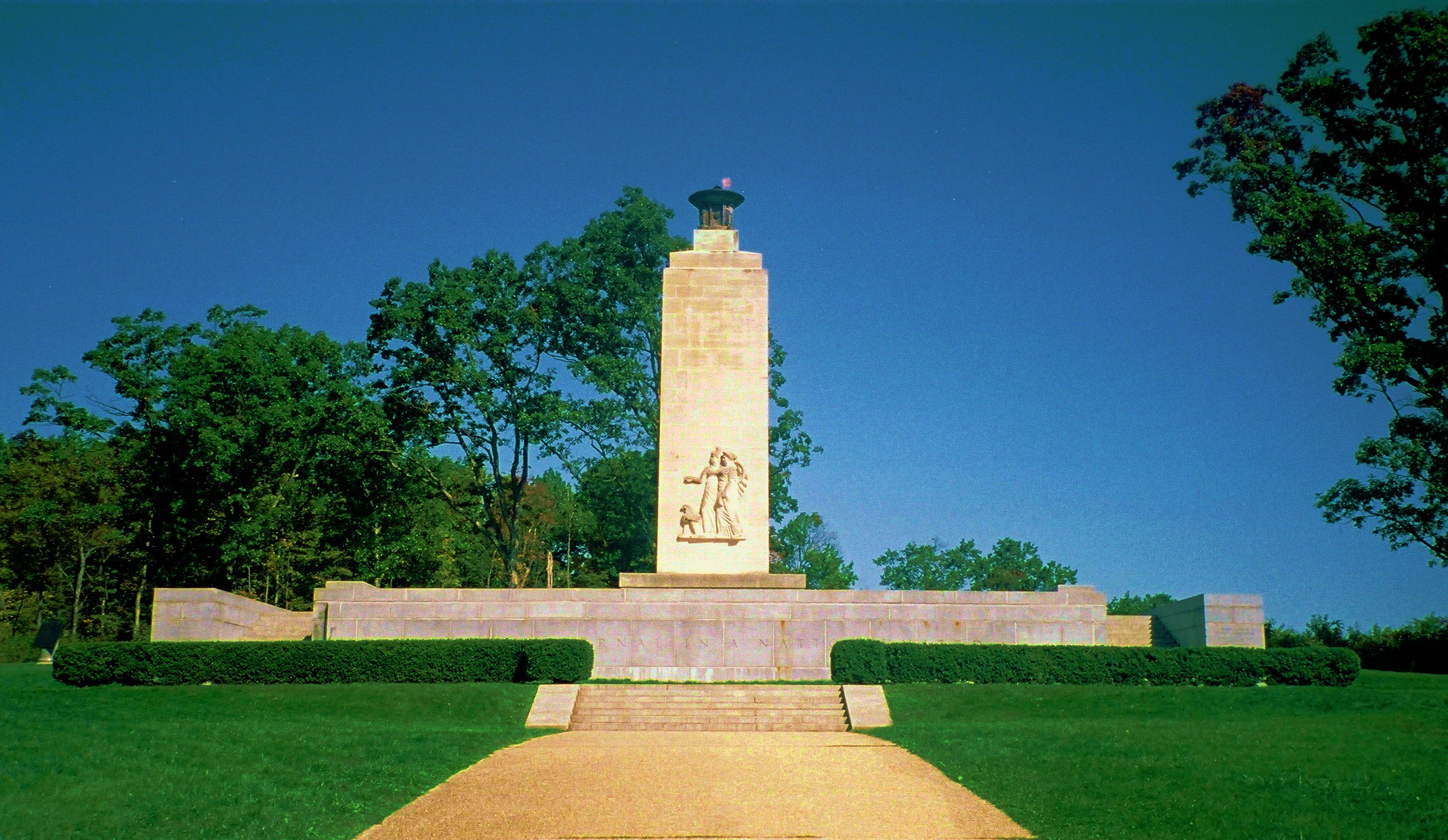
Gettysburg: America's Most Haunted Battlefield
On July 1-3, 1863, the Union and Confederate armies collided at Gettysburg, Pennsylvania in the Civil War's deadliest battle. When the fighting ended, roughly 50,000 men were dead, wounded, or missing. Bodies lay so thick on some fields they could be walked upon without touching ground. The town of 2,400 people suddenly contained 21,000 wounded men and 7,000 corpses. The scale of death transformed Gettysburg permanently - not just historically, but allegedly supernaturally. Gettysburg has become America's most ghost-haunted destination, where tourists report Civil War soldiers walking ridges, phantom cannon fire echoing across fields, and the lingering presence of 160-year-old agony.
The Battle
Gettysburg was accidental - neither army planned to fight there. Confederate forces under Lee and Union forces under Meade converged on the town by chance. Three days of combat followed: Day One pushed Union forces onto Cemetery Ridge. Day Two saw brutal fighting at Little Round Top, Devil's Den, and the Peach Orchard. Day Three culminated in Pickett's Charge - 12,000 Confederate soldiers crossing open ground against entrenched artillery, their ranks shredded, their assault failing. Lee retreated. The Confederacy never recovered. The battle cost roughly 50,000 casualties, making it the bloodiest engagement on American soil.
The Aftermath
The carnage overwhelmed Gettysburg. Every building became a hospital. The dead couldn't be buried fast enough; shallow graves washed open in rain. The smell of decomposition filled the air for months. Body parts protruded from the ground until proper burial could occur. Residents lived with trauma that modern psychology would recognize as PTSD. The town never fully recovered from its three days at the center of American history. In November 1863, Lincoln delivered the Gettysburg Address at the dedication of the national cemetery. The dead, at least, finally had proper graves.
The Hauntings
Ghost stories at Gettysburg began almost immediately after the battle. Residents reported phantom soldiers, unexplained sounds, lights on the battlefield. As tourism developed, reports multiplied. Devil's Den - a rock formation where snipers fought - is allegedly one of America's most haunted locations. The Farnsworth House, which still has bullet holes, offers ghost tours. Visitors report seeing Confederate soldiers, hearing cannon fire, smelling gunpowder. Photos capture anomalies. Electronic equipment malfunctions. Skeptics attribute the experiences to suggestion, history, and the power of a landscape saturated with violent death.
The Tourism
Ghost tourism has become big business at Gettysburg. Multiple companies offer nighttime tours emphasizing supernatural encounters. The Ghost Hunt ghost-hunting franchise operates programs with electronic equipment. Hotels advertise haunted rooms. The historical interpretation coexists uneasily with paranormal entertainment; the National Park Service focuses on documented history while private businesses profit from ghost narratives. Whether the hauntings are real, psychological, or commercial, they draw visitors who might not otherwise engage with Civil War history. The ghosts, real or imagined, keep the battle relevant.
Visiting Gettysburg
Gettysburg National Military Park is located in south-central Pennsylvania, roughly 80 miles north of Washington, D.C. The battlefield covers over 6,000 acres; the Museum and Visitor Center offers orientation, exhibits, and the famous Cyclorama painting. Driving tours, guided tours, and ranger programs interpret the battle. The town of Gettysburg has extensive lodging, dining, and private attractions including ghost tours. Peak visitation occurs during summer and the early July anniversary weekend. The battlefield is open sunrise to sunset; the town's ghost tours run nightly. Allow at least a full day for the battlefield; many visitors spend multiple days. Bring walking shoes; some sites require hiking.
From the Air
Located at 39.82°N, 77.23°W in south-central Pennsylvania's Adams County. From altitude, the Gettysburg battlefield appears as preserved open ground amid agricultural development - fields and woodlots maintained in their 1863 configuration. The town of Gettysburg sits at the center. Notable features visible from altitude include Cemetery Ridge, Little Round Top, and the network of monuments (over 1,300) that dot the landscape. The terrain that made the battle significant - ridges, valleys, rock formations - shaped both tactics and casualties. The battlefield's preservation as parkland is visible as a green and brown irregular shape amid the patchwork of surrounding farms.