Gibsonton: Where the Circus Came to Retire
The Giants lived down the road from the Lobster Boy. In Gibsonton, Florida, this was normal. Starting in the 1940s, carnival and sideshow performers discovered that 'Gibtown' offered warm winters, cheap land, and neighbors who didn't stare. The community became an open secret: a town where you could stable your elephant in the backyard, where the post office installed a dwarf-height counter, where Al 'The Giant' Tomaini (8'4") ran a fishing camp with his wife Jeanie 'The Half-Woman' Tomaini (born without legs). The zoning laws explicitly permitted carnival animals. The social code prohibited gawking. For decades, Gibsonton was the place where the sideshow went to feel normal.
The Beginning
Gibsonton was an unremarkable fishing village on Tampa Bay until the 1940s, when carnival workers discovered its advantages. The location was central to the winter circuit - close enough to reassemble for spring shows, warm enough for comfortable off-season living. The land was cheap, the locals were few, and the accommodating county government allowed the exotic livestock that performers couldn't stable elsewhere. Word spread through the carnival network: Gibtown welcomed freaks. By the 1950s, the town had become the unofficial capital of American sideshow, a community where difference was the norm.
The Residents
The roll call reads like Barnum's dream. Al Tomaini, the tallest man in sideshow history, and his wife Jeanie, a legless woman who walked on her hands. Grady Stiles, the 'Lobster Boy,' whose fingers fused into claw-like appendages - and who murdered his daughter's fiance, avoided prison because no facility could accommodate him, then was murdered himself by his wife and stepson. Percilla Bejano, the 'Monkey Girl.' Melvin Burkhart, the 'Human Blockhead.' They lived as neighbors, swapped stories, maintained the equipment they'd use when the circuit resumed. Normal towns rejected them. Gibtown embraced them.
The Zoning
Hillsborough County's zoning for Gibsonton was unique in America: residential areas where residents could keep circus animals, carnival equipment, and sideshow attractions. Elephants grazed in backyards. Ferris wheels rusted between seasons. The practical accommodations were less visible but equally significant: the post office counter with heights for both average-sized and dwarf-sized customers; the understanding that odd appearances weren't reason for alarm. The zoning reflected the community's needs - people whose careers required exotic property needed somewhere to keep it. Gibsonton said yes.
The Decline
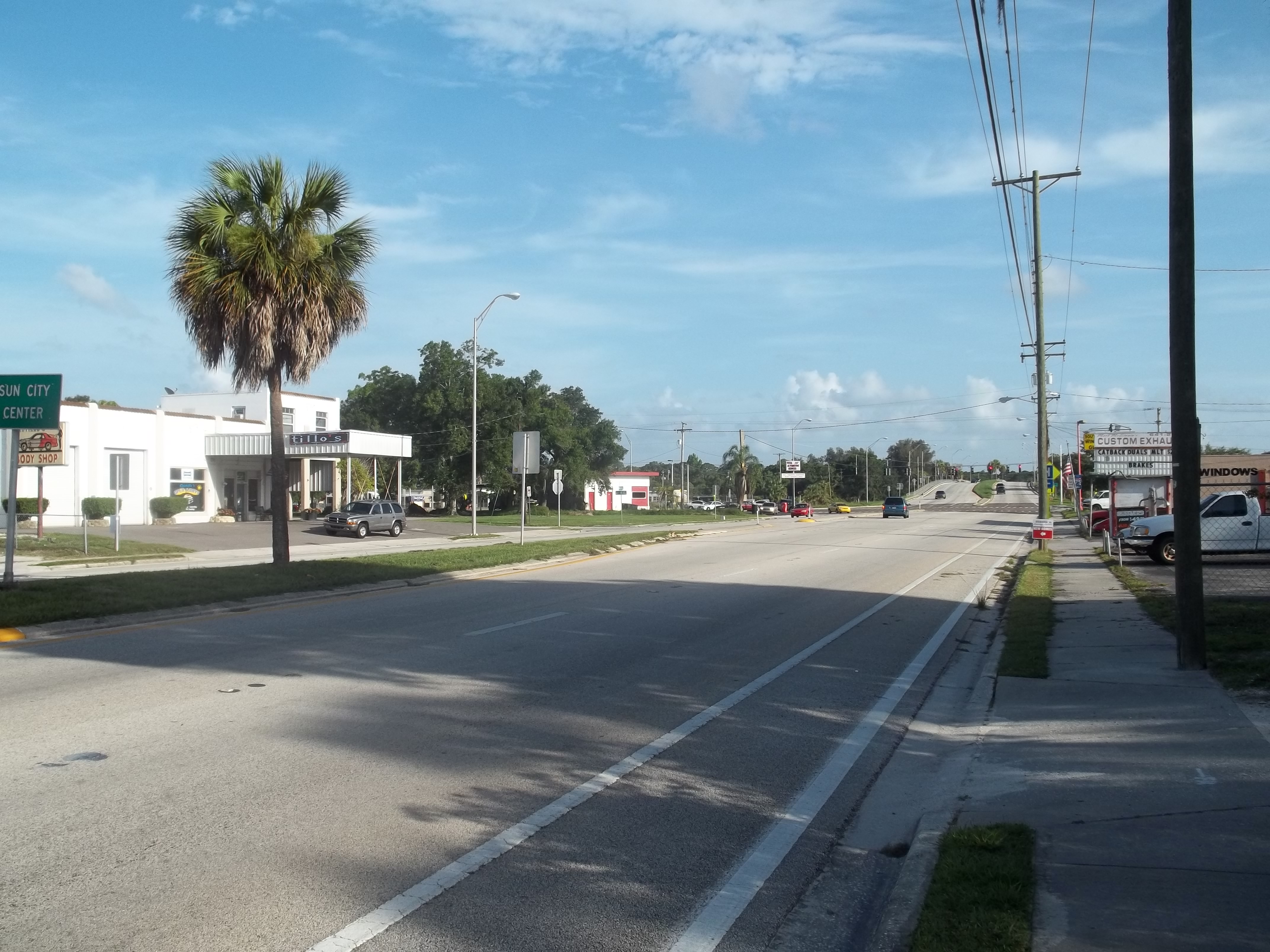
The sideshow died, and Gibsonton changed with it. Changing attitudes about exhibiting human difference closed the freak shows by the 1970s; the old performers aged out and died. Al Tomaini passed in 1962, Jeanie in 1999. Suburban sprawl from Tampa reached Gibsonton's edges, bringing strip malls and new residents who'd never heard of carnivals. The International Independent Showmen's Association still maintains headquarters here, but fewer working performers winter in town. Some old-timers remain; the carnival culture survives in diminished form. Gibsonton is becoming normal, which may be the strangest transformation of all.
Visiting Gibsonton
Gibsonton is located on US-41 south of Tampa, along the eastern shore of Tampa Bay. There's nothing specifically to visit - no museum, no designated attractions, no sideshow anymore. The Showtown Restaurant serves diner food; the Showmen's Association headquarters is private. The Giant's Camp fish camp that the Tomainis operated is gone. What remains is a suburban community with unusual zoning laws and fading memories. The point of visiting Gibtown is the knowledge of what it was: the place where circus performers could be neighbors, where difference was mundane, where America's most unusual people found an ordinary home.
From the Air
Located at 27.84°N, 82.39°W on the eastern shore of Tampa Bay, roughly 10 miles south of downtown Tampa. From altitude, Gibsonton appears as typical Florida suburban development - mobile homes, strip malls, the eastern edge of Tampa Bay. Nothing visible suggests its carnival history. The Alafia River meets the bay nearby; mangroves line the shore. The International Independent Showmen's Association complex is visible as a commercial property, but unremarkable from altitude. Gibsonton has always looked normal from above. The strangeness was at ground level, in the neighbors, in the backyard elephants, in the community that welcomed people nobody else wanted.