Gifu City Museum of History: Where You Can Walk Through Nobunaga's Marketplace
In the sixteenth century, Oda Nobunaga did something radical with commerce. He abolished the guild monopolies that strangled trade in his domain and established rakuichi-rakuza -- free markets and open guilds -- around the Kashimori Shrine at the foot of his castle mountain. Merchants could sell without guild fees. Artisans could work without guild permission. It was an economic revolution that helped fuel Nobunaga's military ambitions, and it transformed the town below Gifu Castle into one of the most vibrant trading centers in Japan. Four centuries later, you can walk through a full-size recreation of that marketplace inside the Gifu City Museum of History, a hands-on museum nestled in Gifu Park at the base of Mount Kinka.
A Park at the Foot of Power
The museum opened in 1985 in the heart of Gifu's sightseeing district, surrounded by the forested slopes that lead up to Gifu Castle and the ropeway station. Gifu Park itself was established on the grounds where samurai once trained and feudal lords held court. The museum building sits at the base of Mount Kinka, with the castle visible above the treetops. Two branch institutions extend its reach: the Eizō and Tōichi Katō Memorial Art Museum, also within Gifu Park, and the Yanaizu Folklore Museum in the nearby town of Yanaizu-chō. Together they cover art, history, and rural folklife across the region. But the main museum's permanent collection is where the real time travel happens.
Stepping Into Nobunaga's Market
The museum's centerpiece is a life-size reconstruction of the Sengoku-era rakuichi marketplace, complete with recreated shops, townhouses, and the bustle of a sixteenth-century commercial district. Visitors do not simply look at the exhibit -- they step inside it. Men and women can try on period clothing from the Warring States era and walk among the market stalls. Children spin koma tops the way merchants' sons once did between sales, and families play sugoroku, the traditional board game that has entertained Japanese households for centuries. A bird's-eye-view diorama called Tenka offers a sweeping model of Gifu Castle and its surrounding town as they appeared during Nobunaga's reign, giving visitors the commander's perspective of the domain he built from this mountainside.
From Jōmon Pots to Ukiyo-e Prints
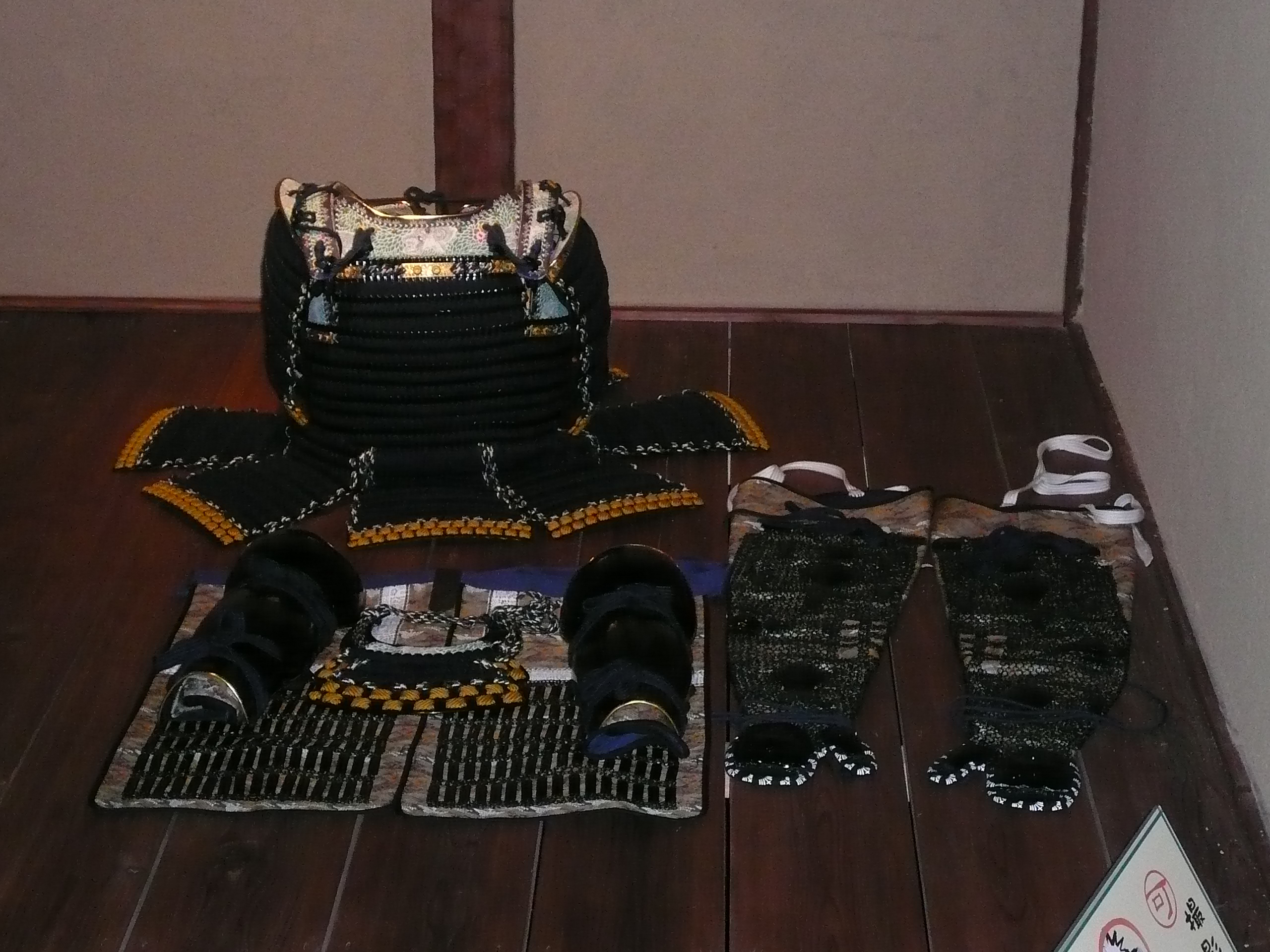
The permanent collection traces Gifu's story from its earliest human inhabitants to the modern era across three themed areas. The first reaches back to the Jōmon period, thousands of years before samurai ever climbed Mount Kinka. Visitors can piece together fragments of ancient pottery, press designs into clay vessels, ring reproductions of ritual bells, and try on armor from later periods. The final section brings the timeline forward to Gifu's more recent centuries, when the city became known for its traditional industries -- paper umbrellas, paper lanterns, and cormorant fishing. Scent boxes representing each craft line the walls, and musical recordings from decades past play alongside pictorial slides of old Gifu. The highlight is a hands-on woodblock printing station where visitors create their own ukiyo-e print of Gōdo-juku, one of the two former post towns that served travelers along the Nakasendō highway connecting Edo to Kyoto.
A Museum You Touch
What sets the Gifu City Museum of History apart from many Japanese museums is its insistence on participation. Nearly every exhibit invites physical engagement. The philosophy reflects something about Gifu itself -- a city that earned its identity through action, through Nobunaga's bold market reforms and the centuries of craftsmanship that followed. The museum does not simply display artifacts behind glass. It puts broken pottery in your hands and asks you to reconstruct it. It wraps you in armor and lets you feel the weight of a warrior's daily burden. It hands you a printing block and ink and lets you pull a Keisai Eisen woodblock print from the same design that illustrated the Nakasendō for Edo-period travelers. In a city defined by the ambitions of one of Japan's most dynamic historical figures, this museum makes sure visitors do not just learn about that history -- they step directly into it.
From the Air
Located at 35.433°N, 136.773°E at the base of Mount Kinka in Gifu City, Japan, within Gifu Park. The museum is not independently visible from altitude, but Gifu Park and the adjacent Mount Kinka Ropeway station are identifiable landmarks below the prominent white Gifu Castle on the summit. Best used as a ground-level complement to the Gifu Castle aerial view. Gifu Air Base (RJNG) lies approximately 7 nautical miles south. Chubu Centrair International Airport (RJGG) is roughly 40 nautical miles south-southeast.