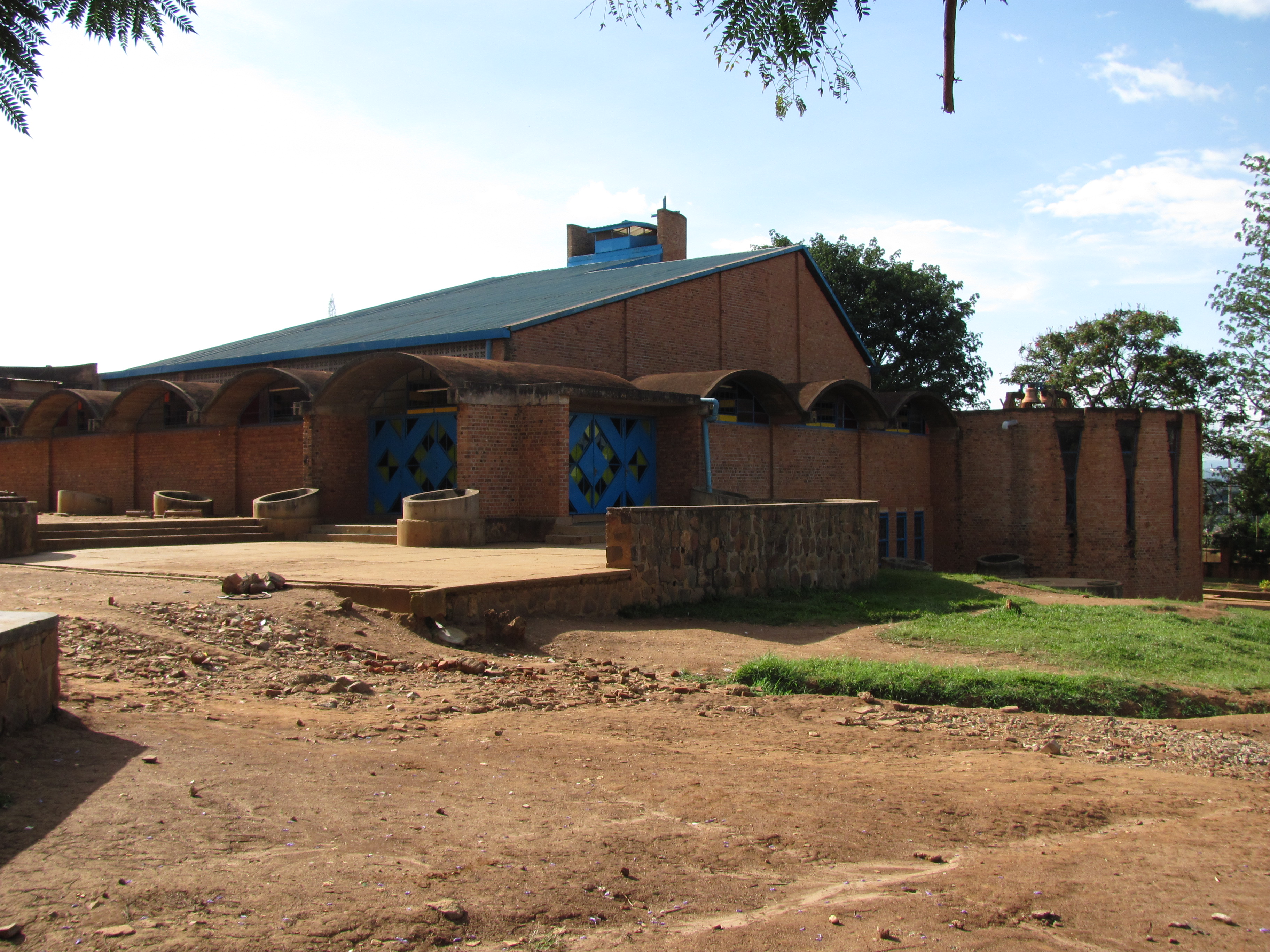
Gikondo massacre
A priest stood in the doorway and told the soldiers that the people inside were Christian worshippers, members of the Pallottine congregation. The gendarmes replied that the church was harboring inyenzi -- cockroaches -- and pushed past him to check identity cards. It was the morning of April 9, 1994, three days into the Rwandan genocide, and approximately 110 Tutsi civilians had taken refuge in this Polish Pallottine mission church in Kigali's Gikondo neighborhood. Within hours, nearly all of them would be dead. The Gikondo massacre became the first clear evidence of genocide that United Nations peacekeepers documented on the ground -- proof that what was happening in Rwanda was not spontaneous violence but systematic extermination.
Three Days of Terror
The genocide began on April 6, 1994, when a plane carrying Rwandan President Juvenal Habyarimana and Burundian President Cyprien Ntaryamira was shot down while approaching Kigali International Airport. Within hours, Interahamwe and Impuzamugambi militia began house-by-house searches throughout Kigali, checking identity cards and killing anyone identified as Tutsi. The weapons were clubs and machetes. The killers worked methodically, neighborhood by neighborhood, guided by lists of names and addresses. In Gikondo, families fled to the one place they believed might protect them: the Catholic church run by Polish Pallottine missionaries. Churches had served as sanctuaries during previous waves of anti-Tutsi violence in Rwanda. People gathered inside with whatever they could carry, hoping the turmoil would pass.
Sanctuary Violated
The sanctuary did not hold. On the morning of April 9, two presidential guard soldiers and two gendarmes entered the church. They began checking identity cards, separating the few Hutus from the Tutsi majority and ordering them to leave. When a Pallottine priest protested, the gendarmes dismissed him. A presidential guard officer arrived and told the soldiers not to waste bullets -- the Interahamwe would come with machetes. Shortly afterward, approximately one hundred Interahamwe militiamen entered the church. They attacked the people inside with clubs and machetes, killing men, women, and children. Parents tried to shield their children beneath the pews. The militiamen struck at arms, legs, faces. The violence was not chaotic -- it was deliberate, organized, and carried out with the full knowledge and coordination of the presidential guard.
The World's First Proof
What set Gikondo apart from the hundreds of massacre sites across Rwanda was timing and witness. UNAMIR -- the United Nations Assistance Mission for Rwanda -- documented the Gikondo massacre as the first absolute proof that genocide was underway. Until this point, international observers had characterized the killing as ethnic conflict, tribal violence, or civil war. The scene at the Pallottine church made the truth undeniable: civilians had been separated by ethnicity using government-issued identity cards, and then systematically murdered by organized militia under the supervision of state security forces. This was not a riot. It was not crossfire. It was a planned campaign of extermination. Yet even with this evidence, the international community did not intervene. The genocide continued for another three months, claiming an estimated 800,000 lives.
The Church Still Stands
The Pallottine church in Gikondo remains today, a physical reminder of what happened within its walls. Across Rwanda, churches that were supposed to be places of refuge became sites of mass murder during the genocide -- a betrayal that shattered the relationship between many Rwandans and the institutions they had trusted. The Gikondo site, along with memorials at Nyamata, Murambi, and Bisesero, exists to ensure that the approximately 110 people who were killed there are not reduced to a number. They were individuals who made a rational decision to seek shelter in a house of worship, who trusted that some boundary of human decency would hold. It did not. Rwanda preserves these sites not to dwell in grief but to make a demand of the future: remember what indifference permits.
From the Air
Located at 1.97S, 30.08E in the Gikondo neighborhood of Kigali, Rwanda. The church is in the southeastern portion of the city. Nearest airport: Kigali International Airport (HRYR), approximately 3 km to the east. Best viewed at 2,000-3,000 feet AGL as part of Kigali's urban landscape spread across its hills. The Gikondo industrial area is identifiable south of the central business district.