Glacier National Park: The Crown of the Continent
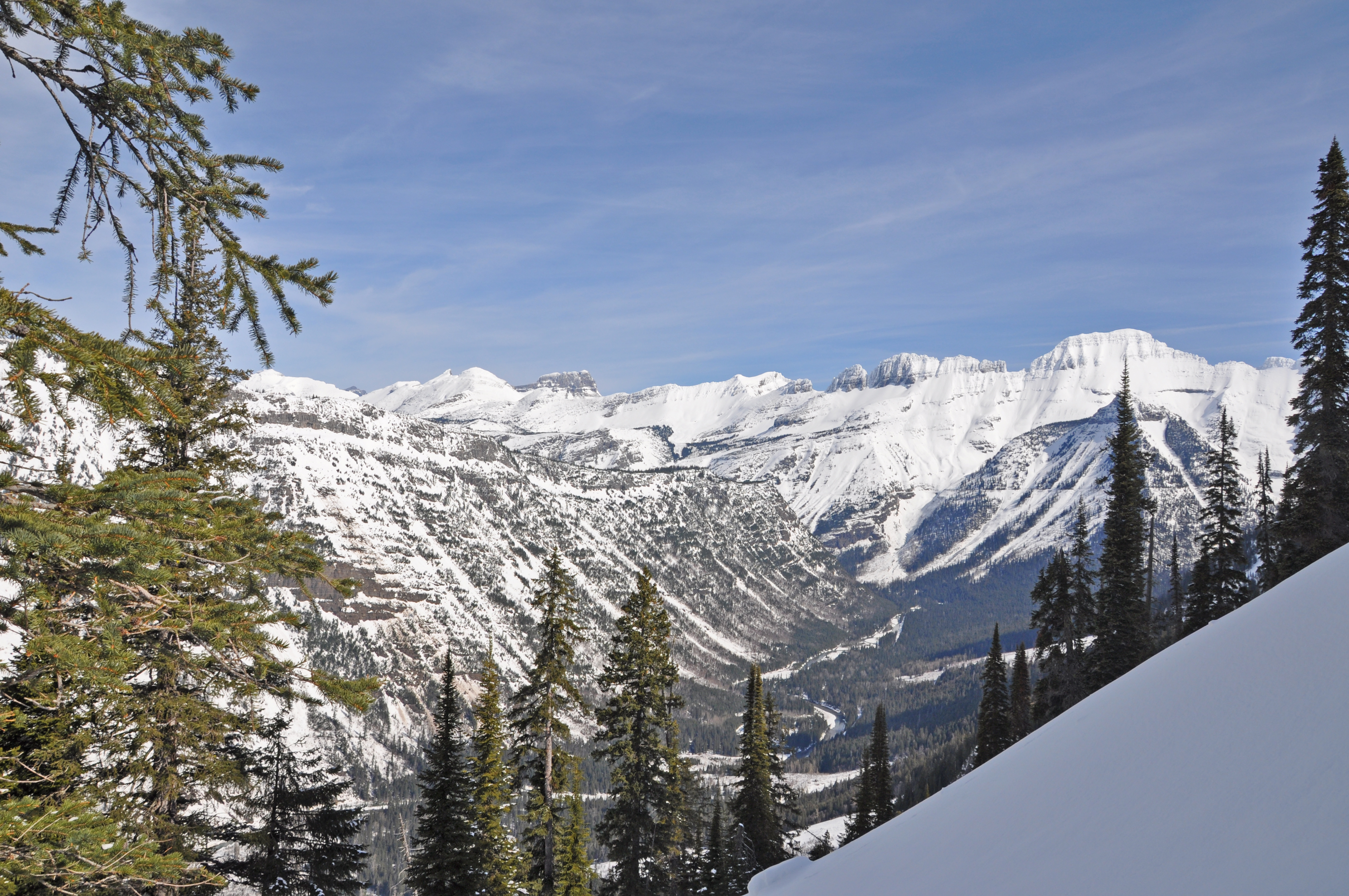
The glaciers are dying. When the park was established in 1910, 150 glaciers flowed from its peaks. Today perhaps 25 remain, and those are shadows of their former size. By 2030, climate models suggest, the park's glaciers may be gone entirely. The name will become memorial rather than description. But what the glaciers carved remains spectacular: U-shaped valleys, cirque lakes of impossible blue, knife-edge arêtes, and peaks that rise directly from prairie. Going-to-the-Sun Road, the engineering marvel that crosses the park, provides access to scenery that early visitors called 'the Crown of the Continent.' The crown is tarnishing, the ice that shaped it melting, but the kingdom it created endures.
The Road
Going-to-the-Sun Road is 50 miles of engineering miracle. Built between 1921 and 1932, the road crosses the Continental Divide at Logan Pass (6,646 feet), carved into cliffs, threading tunnels, traversing terrain that seemed impossible. The construction required innovation: specialized equipment, rock work by hand, patience with weather that allowed work only during brief summer seasons. The result is among America's most spectacular drives: waterfalls cascade across the pavement, mountain goats graze roadside, and views extend to horizons in every direction. Snow closes the road typically October through June; the brief open season concentrates visitor impact.
The Glaciers
The park's glaciers are not remnants of the Ice Age; they formed during the Little Ice Age, reaching maximum extent around 1850. Since then, warming has been relentless. Grinnell Glacier, perhaps the most visited, has lost 90% of its area since measurements began. Sperry Glacier, Jackson Glacier, and others tell the same story. The glacial melt feeds streams and lakes; without glaciers, hydrology will change. The cold, clear water that defines Glacier's lakes depends on ice that may not survive the century. Visiting now means witnessing what climate change is erasing - glaciers that carved this landscape disappearing as the landscape watches.
The Wildlife
Glacier contains one of the most intact ecosystems in the temperate world. Grizzly bears and black bears roam the valleys. Mountain goats navigate the high peaks. Wolverines, lynx, and wolves maintain populations that have vanished from most of the Lower 48. The ecosystem's completeness - predators and prey in balance - distinguishes Glacier from parks where species have been extirpated or reintroduced. Bear encounters are common enough that visitors are required to carry bear spray and make noise on trails. The wilderness here is genuine, not curated; the animals don't perform for visitors but live their lives, and visitors enter at their own risk.
The Backcountry
Glacier's 700 miles of trails access wilderness that the road barely touches. Multi-day backpacking trips penetrate valleys unreachable by car, to glacial lakes surrounded by peaks, through forests that have never been logged. The Continental Divide Trail passes through the park; the Continental Divide itself can be crossed at numerous passes. The backcountry is demanding - significant elevation gain, unpredictable weather, bear country protocols - but rewards effort with solitude impossible on the road. Permits are required for backcountry camping; popular sites book instantly when reservations open. The wilderness exists because access is limited; the limits preserve what access would destroy.
Visiting Glacier
Glacier National Park is located in northwestern Montana, along the Canadian border. West Glacier (west entrance) is accessible from Kalispell; St. Mary (east entrance) from the Blackfeet Reservation. Going-to-the-Sun Road requires vehicle reservations during peak season; book well ahead. The road's open season is typically July through October; check conditions. Logan Pass provides the highest road access and most accessible alpine terrain. Boat tours operate on several lakes. Historic lodges (Many Glacier Hotel, Lake McDonald Lodge) offer atmospheric accommodation; reserve far in advance. Bear spray is essential; know how to use it before arrival. The experience is wilderness adjacent to infrastructure - you can drive through spectacle but must walk to experience it fully.
From the Air
Located at 48.75°N, 113.79°W in the Rocky Mountains of northwestern Montana, along the Canadian border. From altitude, Glacier National Park appears as dramatic mountain terrain - peaks rising abruptly from the Great Plains to the east, descending into forested valleys to the west. The glacial features are visible: cirques, U-shaped valleys, glacial lakes appearing as blue dots in valley bottoms. Going-to-the-Sun Road's serpentine path is visible climbing to Logan Pass. The remaining glaciers appear as white patches on north-facing slopes. Waterton Lakes National Park in Canada connects across the border, forming Waterton-Glacier International Peace Park. What appears from altitude as pristine mountain wilderness is ecosystem under threat - the glaciers melting, the climate warming, the 'Crown of the Continent' losing its ice.