Glen Canyon Dam: The Drowning of a Wonder
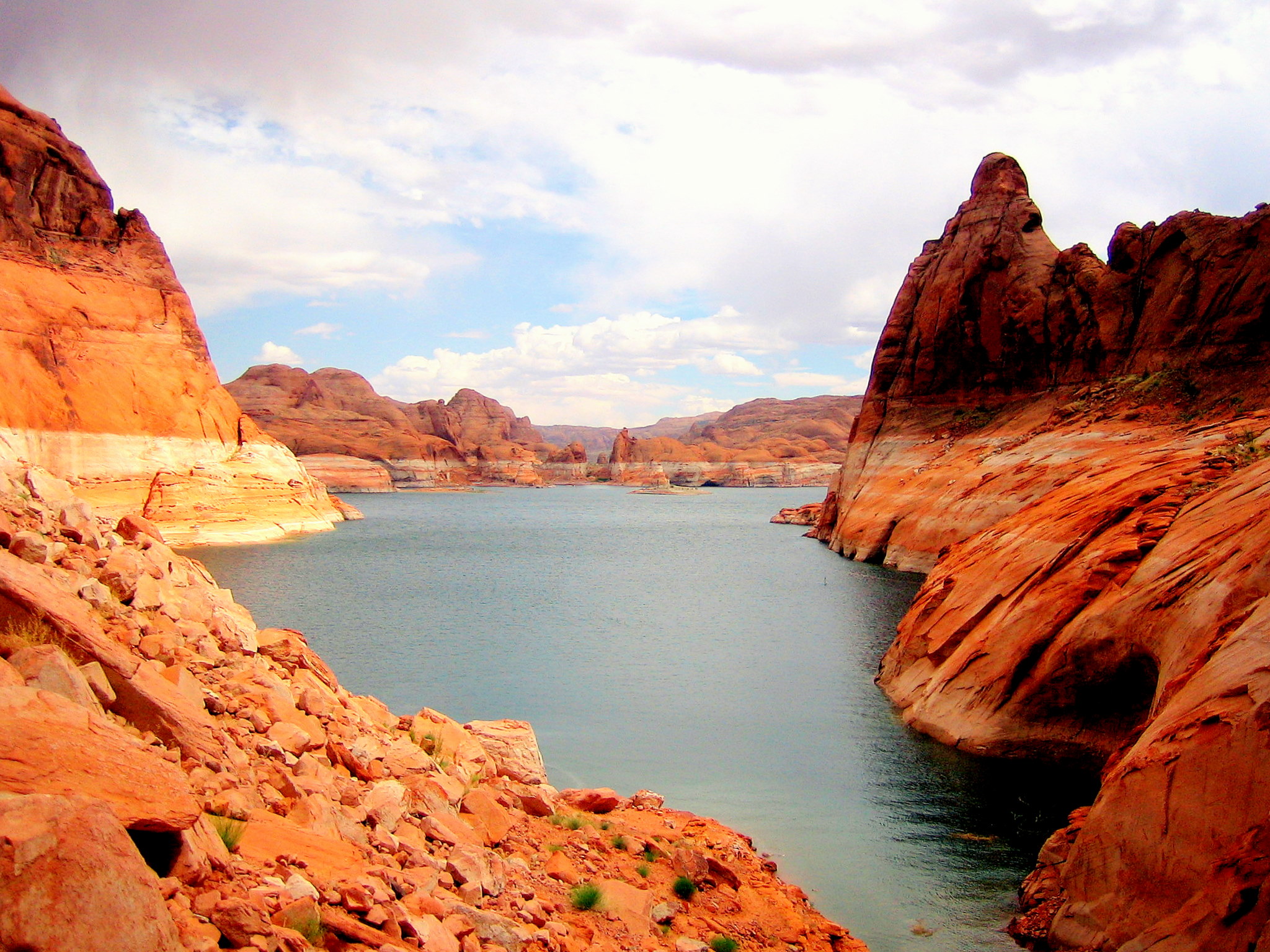
Glen Canyon was, by many accounts, one of the most spectacular landscapes in the American Southwest - a sandstone wonderland of alcoves, arches, and side canyons along the Colorado River, described by those who saw it as rivaling or exceeding the Grand Canyon in beauty. Almost no one saw it. Then the Bureau of Reclamation built a dam. Lake Powell flooded Glen Canyon beginning in 1963, burying the wonder beneath 186 miles of reservoir. The Sierra Club's failure to prevent the dam radicalized a generation of environmentalists. Now, as prolonged drought drops Lake Powell to record lows, Glen Canyon is re-emerging - side canyons accessible again, beaches visible for the first time in decades, a drowned landscape slowly returning to light.
The Canyon
Glen Canyon was carved by the Colorado River through Navajo Sandstone - the same formation that creates Monument Valley and the Wave. The main canyon and its hundred-plus side canyons held arches, natural bridges, alcoves with hanging gardens, ancient Pueblo ruins, and rock formations photographed by few before the water rose. Katie Lee, folksinger and river runner, spent years documenting what would be lost. Edward Abbey mourned it in 'Desert Solitaire.' The canyon's inaccessibility - reachable only by difficult river trips - meant most Americans never knew what was being destroyed.
The Dam
Glen Canyon Dam was authorized by the Colorado River Storage Project Act of 1956, part of a compromise that saved Dinosaur National Monument from a different dam. The Bureau of Reclamation needed water storage and hydroelectric power for the growing Southwest. Construction began in 1956; the dam closed in 1963; Lake Powell filled by 1980. The 710-foot concrete arch dam created the second-largest reservoir in the United States. The power it generates serves roughly 5 million customers. The economics and hydrology made sense; the sacrifice was beauty that most people never saw.
The Loss
What was lost is difficult to convey because so little documentation exists. Photographs by Eliot Porter and others capture fragments: Cathedral in the Desert, Gregory Natural Bridge, Music Temple. The Sierra Club published 'The Place No One Knew' after the canyon was drowned - a book of photographs of what was already gone. David Brower, Sierra Club director, called failure to prevent Glen Canyon Dam his life's greatest regret. The loss created the modern environmental movement's absolutism about wilderness: once destroyed, it cannot return. Or so they thought.
The Return
Since 2000, drought and overallocation have steadily dropped Lake Powell's water level. By 2022, the reservoir held less than 25% of capacity. Side canyons emerged from beneath the water. Cathedral in the Desert became accessible again. The landscape is not pristine - bathtub rings of mineral deposit, debris from decades of reservoir use, invasive species - but it's returning. Conservationists debate: should we remove the dam and restore Glen Canyon, or maintain the reservoir system that millions depend on? The debate assumes the choice is ours. The Colorado River, running dry, may decide for us.
Visiting Glen Canyon Dam and Lake Powell
Glen Canyon Dam is located near Page, Arizona. The Carl Hayden Visitor Center offers dam tours and exhibits. Lake Powell provides houseboating, fishing, and recreation through Glen Canyon National Recreation Area; facilities at Wahweap and other marinas serve visitors. As lake levels drop, many ramps are unusable; check conditions before planning water activities. Rainbow Bridge National Monument, one of the world's largest natural bridges, is accessible by boat or long hike. Page has lodging and services. The best way to understand what was lost is to hike the side canyons now re-emerging - landscapes returning from beneath the waves, testifying to what was sacrificed.
From the Air
Located at 36.94°N, 111.48°W on the Colorado River at the Arizona-Utah border. From altitude, Glen Canyon Dam is visible as a thin white line across the canyon, Lake Powell stretching behind it as a blue serpentine body in red rock terrain. The reservoir's bathtub ring - white mineral deposits marking former water levels - is dramatically visible as lake levels decline. The side canyons that are re-emerging show as narrow inlets, some now dry. Page is visible adjacent to the dam. The landscape is classic Colorado Plateau: red sandstone, sparse vegetation, deep erosion. What's underwater is invisible; what's emerging changes year by year.