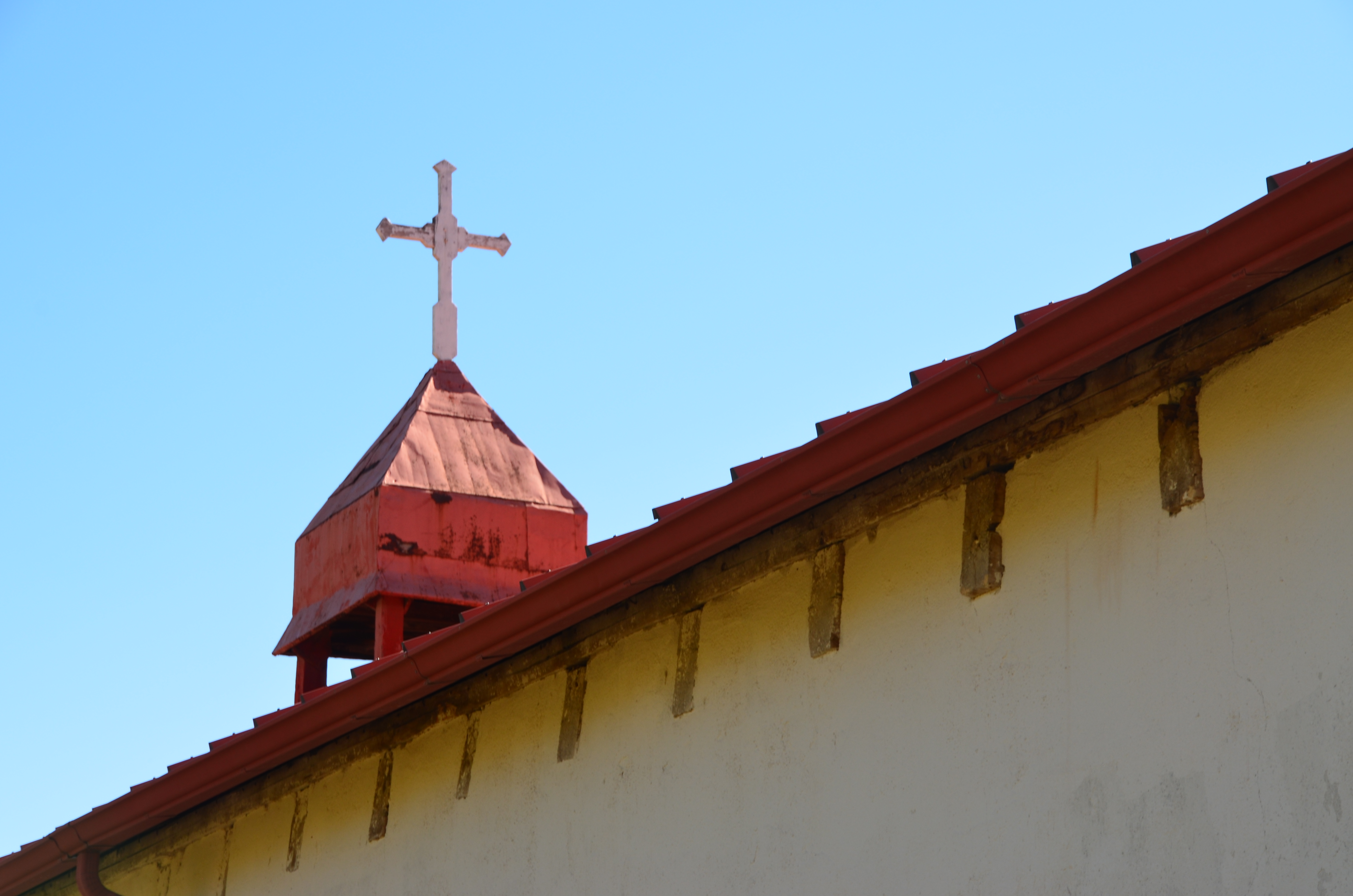
Glorieta Pass Battlefield
The Confederacy's plan was audacious. Seize New Mexico, push into Colorado, take the gold and silver mines of the Rockies, and swing west to capture California's ports. With control of the entire western frontier, the South would have the resources and strategic depth to outlast the Union. By early March 1862, it was working. Confederate Brigadier General Henry Hopkins Sibley's Texans had taken Fort Fillmore, won the Battle of Valverde, and occupied both Albuquerque and Santa Fe. Only one obstacle stood between them and Fort Union, the federal supply depot that was the key to the entire territory: a narrow defile on the Santa Fe Trail called Glorieta Pass.
Three Days in the Pass
The battle unfolded over March 26 to 28, 1862. On the first day, Union Major John Chivington led more than 400 soldiers against a Confederate advance party of 200 to 300 Texans under Major Charles Pyron. Chivington split his force to flank the Rebels, caught them in a crossfire, and forced them to retreat. Two days of maneuvering followed. On March 28, the main engagement erupted. Confederate Lieutenant Colonel William Scurry pushed his troops down the canyon and slammed into Colonel John Slough's Union line before 11 a.m. The fighting raged all afternoon around the adobe buildings of Pigeon's Ranch, a historic stop on the Santa Fe Trail. By late afternoon the Confederates had pushed the Union forces back, and the Texans believed they had won the field.
The Stroke That Changed Everything
While the main battle raged at Pigeon's Ranch, Chivington led a detachment on a flanking march through the mountains. They reached a point 200 feet directly above the Confederate wagon park and camp at Canoncito. Descending the steep slopes, Chivington's men disabled the artillery left to guard the site and set fire to the entire 80-wagon supply train, killing some 500 horses and mules. In a single stroke, the Confederates lost every round of ammunition, every ration, every piece of equipment they needed to continue their campaign. The tactical victory at Pigeon's Ranch meant nothing without supplies. The South had won the battle but lost the war in the West.
The Long Retreat
Facing starvation, Sibley's Texans had no choice but to withdraw. They retreated first to Santa Fe, then began the long march back to Texas, pursued by Colonel Edward Canby's troops. The retreat was grueling. Nearly dead from thirst and hunger, roughly 1,700 Confederate survivors staggered into El Paso on May 4, 1862. By June, Union forces controlled all of New Mexico again, and the Confederates never returned. The dream of a western empire, of Rocky Mountain gold filling Confederate coffers and Pacific ports flying the Stars and Bars, ended in a burning wagon train in a New Mexico mountain pass.
The Gettysburg of the West
The Civil War Sites Advisory Commission rated the Battle of Glorieta Pass as Priority I, Class A, the highest classification reserved for principal strategic operations with a direct impact on the course of the war. Only 10 other battlefields in the entire country received the same rating, placing Glorieta Pass alongside Gettysburg and Antietam. Historians have called it the Gettysburg of the West, and while that label inflates the scale of the engagement, it captures its strategic significance. Had the Confederates broken through and taken Fort Union, the western territories could have fallen, altering the entire calculus of the war. The Union lost 38 killed, 64 wounded, and 20 captured. The Confederates lost 36 killed, 70 wounded, and 25 captured.
What Remains
Today the battlefield is bisected by Interstate 25 and a railroad, but two preserved parcels, managed by the National Park Service as part of Pecos National Historical Park, protect key portions of the site. The eastern section includes the remains of Pigeon's Ranch, where only foundation remnants survive. The western section sits near the hamlet of Canoncito, close to where the supply train burned. Since 2012, the 150th anniversary of the battle, portions have been open to the public with landscaped paths and interpretive signage. The American Battlefield Trust and its partners continue to acquire endangered land. Only about 20 percent of the total battlefield is publicly owned; the remaining 80 percent is in private hands, making this one of the most threatened major Civil War sites in the nation.
From the Air
Located at 35.56N, 105.79W, roughly 15 miles southeast of Santa Fe along Interstate 25 at Glorieta Pass. The pass cuts through the Sangre de Cristo Mountains at approximately 7,400 feet elevation. I-25 and the railroad bisect the battlefield; the eastern section (Pigeon's Ranch) is visible north of I-25 near NM State Road 50. The western section lies near Canoncito between I-25 and the railroad tracks. Nearest airports: Santa Fe Municipal (KSAF, 15 nm northwest), Las Vegas Municipal (KLVS, 20 nm east). Recommended viewing altitude: 3,000-5,000 ft AGL. The narrow pass through the mountains is clearly visible from above.