Gotland
The silver coins tell the story. In the various hoards discovered across Gotland, archaeologists have unearthed more Arab dirhams than at any other site in Western Eurasia - nearly as many as have been found in the entire Muslim world combined. This Baltic island, rising from the sea roughly 90 kilometers off the Swedish coast, was once the beating heart of Viking commerce, where Scandinavian merchants traded furs and amber for Islamic silver that flowed north along the ancient Silk Road routes. Today, with a population of just over 61,000 and the medieval town of Visby still encircled by its 13th-century walls, Gotland remains a place where the echoes of a remarkable past refuse to fade.
Treasure Island of the North
On July 16, 1999, a television crew filming a story about illegal metal detecting on Gotland made an accidental discovery that would rewrite the record books. The Spillings Hoard, unearthed at a farm northwest of Slite, contained over 67 kilograms of silver - the largest Viking treasure ever found. Nearly 14,000 coins, mostly Islamic, lay buried alongside bronze objects, glass beads, and everyday tools. The farmer who owned the land received a finder's fee of over 2 million kronor. But the Spillings Hoard was just the most spectacular example of what makes Gotland unique. The island's strategic position in the Baltic made it the essential waypoint for Rus merchants traveling between the Abbasid Caliphate and Scandinavia along the Silver-Fur Road. The wealth that passed through here helped establish Viking Scandinavia and the Carolingian Empire as major commercial powers for centuries to come.
The Gutes and Their Saga
Long before the Vikings sailed, the island was home to the Gutes, a people whose identity remains distinct even today. The Gutasaga, a medieval text written in Old Gutnish, tells of the legendary Thielvar who first settled the island and whose descendants eventually grew so numerous that a third of the population had to emigrate to southern Europe - a tradition some scholars connect to the migration of the Goths. DNA studies of 5,000-year-old skeletal remains from Gotland show these ancient seal hunters were related to modern Finns, while contemporary farmers on the Swedish mainland shared genetics with Mediterranean peoples. The island has been continuously inhabited since approximately 7200 BCE. The Gutasaga also records how the Gutes voluntarily submitted to the Swedish king through a mutually beneficial agreement, carefully noting the rights they retained - a document that reads as much as a declaration of independence as a treaty of submission.
Medieval Power and UNESCO Glory
By the Middle Ages, Visby had become the most important Hanseatic city in the Baltic Sea, its German merchants growing wealthy beyond measure. The stone ring wall that still surrounds the old town rose in the 13th century, a rare construction for Nordic countries of that era. Inside, 94 medieval churches were built, most still standing and in active use today - their Romanesque and Gothic architecture spanning from 1150 to 1400. The rivalry between the wealthy German merchants of Visby and the Gotlandic farmers in the countryside erupted into civil war in 1288, requiring the Swedish king to intervene. Then in 1361, King Valdemar Atterdag of Denmark invaded. At the Battle of Masterby, 1,500 Gotlandic farmers fell to Danish swords. The island passed through the hands of the Victual Brothers (a pirate confederation), the Teutonic Knights, and Denmark before finally becoming Swedish in 1645. Through it all, Visby endured, its medieval core so perfectly preserved that UNESCO designated it a World Heritage Site.
An Island Apart
Gotland maintains a character distinct from mainland Sweden. Many residents still speak Gutnish, the ancient language that predates Swedish, while others speak Gotlandic, a Swedish dialect heavily influenced by the old tongue. Traditional games like Kubb, Park, and Varpa are played on Midsummer's Eve and throughout summer months - sports so unique they have spread to enthusiasts as far away as the United States. The island hosts its own 'Olympic Games' at the annual Stanga Games, and competes internationally in the biennial Island Games, which Gotland hosted in 1999 and 2017. The folklore runs deep here too, with tales of the bysen, the Di sma undar jordi (the little ones under the earth), and the mysterious Martebo lights that have haunted local imagination for centuries. Even the beer is distinctive - Gotlandsdricka, a traditional farmhouse ale with close kinship to Finnish sahti.
Strategic Sentinel
In the 21st century, Gotland has regained the strategic importance it held in medieval times. The island's position in the Baltic Sea makes it a crucial defensive asset, and following Russia's 2022 invasion of Ukraine, Sweden's military presence here has expanded dramatically. The Gotland Regiment was re-established in 2018 - the first new regiment created in Sweden since World War II - and the government has invested 150 million euros in military infrastructure. Fourteen Stridsvagn 122 tanks sit at the Tofta firing range, and plans call for Gripen jets and support helicopters to reinforce the garrison. Yet Gotland remains primarily a place of sunshine and summer pleasures. Sweden's sunniest region draws over 750,000 visitors annually to its extensive shorelines and mild Baltic waters. The population swells each summer for Almedalen Week and Medieval Week in Visby. Hayao Miyazaki sent his Studio Ghibli artists here before animating Kiki's Delivery Service, capturing in that film the same enchanted atmosphere that has drawn travelers for centuries.
From the Air
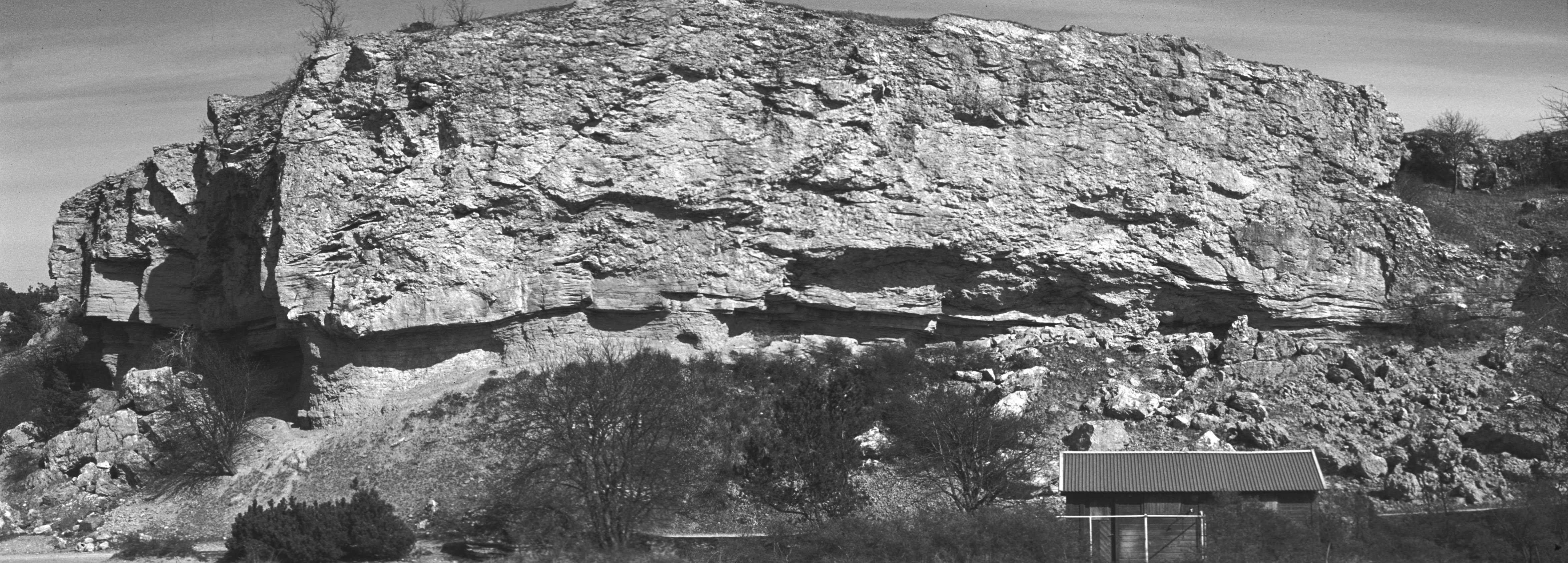
Located at 57.5N, 18.5E in the Baltic Sea, approximately 90 km east of the Swedish mainland. Gotland is Sweden's largest island and clearly visible from cruising altitude. The medieval town of Visby with its distinctive ring wall lies on the western coast. Visby Airport (ESSV) offers the island's only commercial service with daily connections to Stockholm Arlanda. The island's flat limestone terrain rises to just 82 meters at Lojsta Hed. Best viewed in clear weather when the surrounding Baltic waters provide excellent contrast.