Gracias
"Gracias a Dios hemos llegado a tierra plana" -- Thank God we have arrived at flat land. That, according to local tradition, is what exhausted Spanish explorers said when they finally stumbled out of the mountains of western Honduras and found level ground. The town they founded kept the first word of their prayer. Gracias sits in the department of Lempira, named for the Lenca warrior who defied the same Spanish colonizers at a fortress not far from here. The irony runs deep: a town named for colonial relief in a province named for indigenous resistance, sharing the same mountain-carved landscape of western Honduras.
Churches, Forts, and a Central Park
Gracias is a walking town, its landmarks clustered within a few blocks of the central park. The San Marcos Church stands beside the fully renovated Parque Central, while the La Merced Church waits one block north and one block east. On the Plaza San Sebastian, a museum and botanical garden share space with the San Sebastian Church. Overlooking it all from a small hill on the west side of town is El Castillo San Cristobal, a colonial-era fort that once guarded the approaches to one of the most important Spanish administrative centers in Central America. Gracias briefly served as the seat of the Real Audiencia de los Confines, the colonial court that governed a vast territory stretching from southern Mexico through Panama. The grandeur of that administrative role has long since faded, but the churches and the fort remain, quiet testimony to a time when this remote mountain town held outsized political weight.
Gateway to the Roof of Honduras
The real draw beyond the town itself is Celaque National Park, home to the highest peak in Honduras. The cloud forests that cloak Celaque's upper slopes represent some of the most biodiverse habitat in the country, and the trails leading up through them are the primary reason hikers make the journey to Gracias. The town serves as the staging point -- a place to rest, resupply, and arrange transport before heading into the mountains. Getting here requires commitment. From San Pedro Sula, direct buses run to Gracias, though travelers often route through Santa Rosa de Copan. From Tegucigalpa, buses run to La Esperanza, and from there onward to Gracias. The journey from Copan Ruinas takes about four hours, threading through La Entrada de Copan and Santa Rosa. Once you arrive, red mototaxis buzz through the streets, ready to carry bags or passengers for a small fee.
Waters That Heal
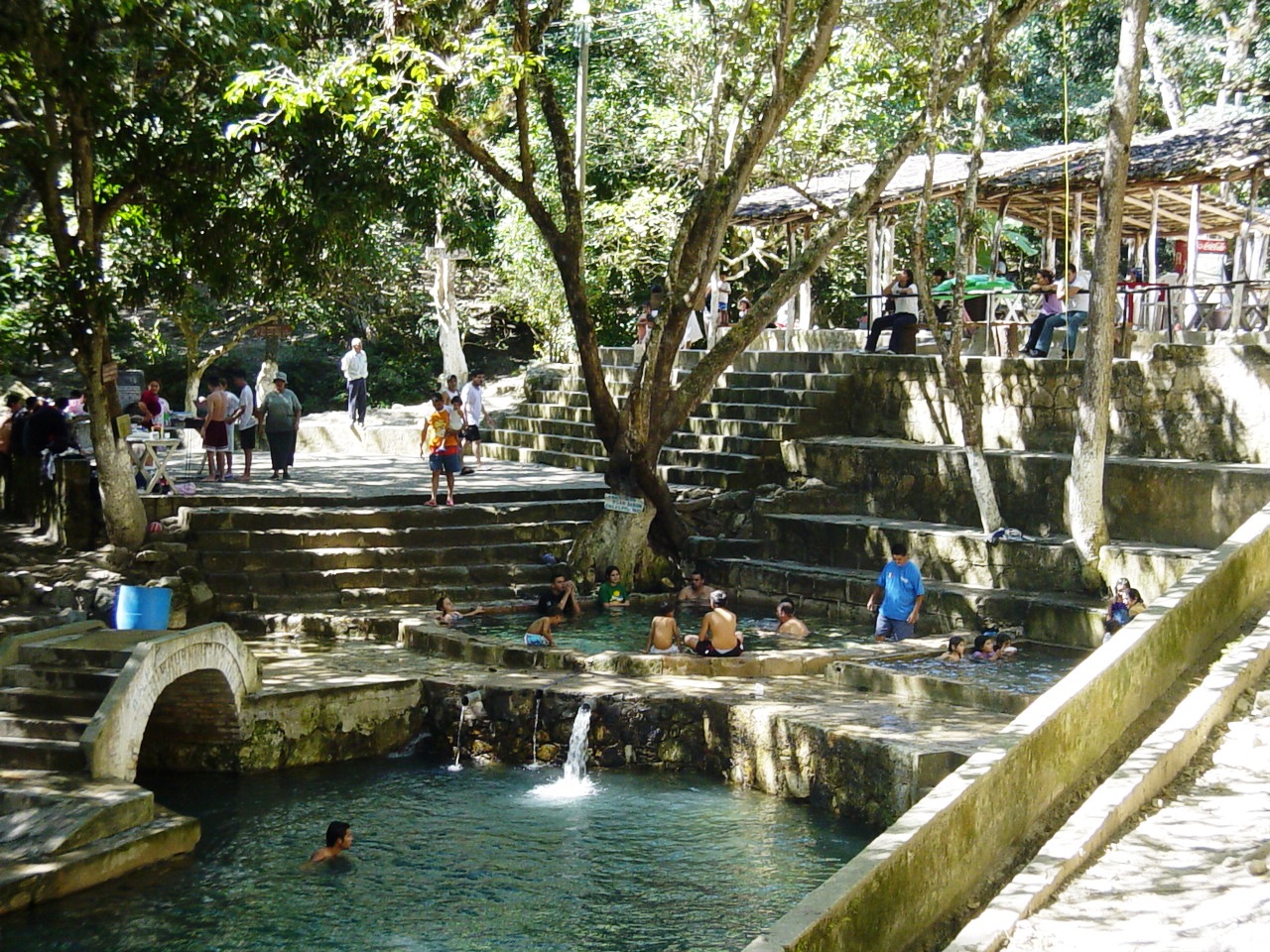
A few kilometers outside town, hot springs bubble up from the volcanic geology of western Honduras. The public springs at Arcilaca offer a set of pools with genuinely hot water in a natural setting -- two separate sets of pools, about 100 meters apart on the same road. Locals say the Presidente pools run warmer. A mototaxi ride takes about twenty minutes for around 50 lempiras per person, though an hour's walk through the countryside is its own reward. Farther along the road toward Santa Rosa, about seven kilometers out, the Termas del Rio complex offers larger pools, sport facilities including table tennis and volleyball, and a quieter atmosphere. Both settings are beautiful. The practical advice from those who know: on weekends and holidays, choose the Termas del Rio for its space and tranquility. On quieter weekdays, the Arcilaca pools are ideal. After a long hike down from Celaque's cloud forests, either one feels like a small miracle -- hot water rising from the earth in a landscape that has been giving exhausted travelers reasons to be grateful since the Spanish first named it.
From the Air
Located at 14.59N, 88.58W in the Lempira Department of western Honduras, nestled in mountainous terrain. Celaque National Park and the country's highest peak are visible to the southwest. Best viewed from 4,000-5,000 feet AGL due to surrounding mountain terrain. The town sits in a relatively flat valley amid rugged highlands. Nearest airports: Ramon Villeda Morales (MHLM) in San Pedro Sula, approximately 170 km north; Toncontin International (MHTG) in Tegucigalpa, roughly 200 km east. Mountain weather can change rapidly; expect afternoon cloud buildup.