Grand Rapids: The Furniture City That Became Beer Capital
Grand Rapids was the Furniture City - the center of American furniture manufacturing from the 1840s until foreign competition destroyed the industry. The city of 200,000 reinvented itself repeatedly: furniture to auto parts, auto parts to healthcare, healthcare to beer. The craft brewery explosion made Grand Rapids 'Beer City USA,' the concentration of breweries per capita among the nation's highest. The city's character comes from the Dutch Reformed Christianity that the original settlers brought - the conservatism, the work ethic, the churchgoing that distinguishes Grand Rapids from secular Michigan. Gerald Ford grew up here, the only president from Michigan, his modesty and decency reflecting the city's values.
The Furniture
Grand Rapids became the furniture capital through the combination of forests (lumber), the Grand River (power and transportation), and skilled craftsmen (many Dutch and German immigrants). By 1900, the city produced more furniture than any other American city; the furniture market held here set national trends. Competition from the South (lower wages) and overseas (even lower wages) destroyed the industry by mid-century. The furniture heritage survives in brand names that outlasted their factories - Herman Miller and Steelcase still operate nearby - and in the woodworking tradition that other industries absorbed.
The Beer
Grand Rapids has more breweries per capita than almost any American city - Founders Brewing became a national brand; Brewery Vivant occupies a former funeral chapel; dozens of smaller operations fill the neighborhoods. The concentration earned 'Beer City USA' designations in various polls. The beer culture provides the tourism that furniture couldn't - the visitors who come to drink their way through the city, the economic activity that downtown revival required. Beer replaced furniture as identity; the transformation shows what post-industrial cities can become when they find new purpose.
The Dutch
Dutch Reformed immigrants settled Grand Rapids in the 1840s, bringing Calvinist Christianity that remains visible. The Christian Reformed Church, headquartered here, shapes education (Calvin University), media (Zondervan publishing), and culture (the conservatism that distinguishes Grand Rapids from Detroit). The Dutch heritage is less visible than it once was - the immigration was 180 years ago - but the values persist: the work ethic, the churchgoing, the distrust of ostentation. Grand Rapids is as religious as the South without being Southern, the Midwest at its most pious.
The Ford
Gerald Ford grew up in Grand Rapids, the only president from Michigan, the man who became president without winning an election when Nixon resigned. The Ford Museum in Grand Rapids tells his story - the football star, the congressman, the accidental president who pardoned Nixon and lost to Carter. Ford's modesty and decency reflected Grand Rapids values; the city claims him as its own. The museum is worth visiting for the Watergate history alone - the scandal that made Ford president, the pardon that may have cost him election.
Visiting Grand Rapids
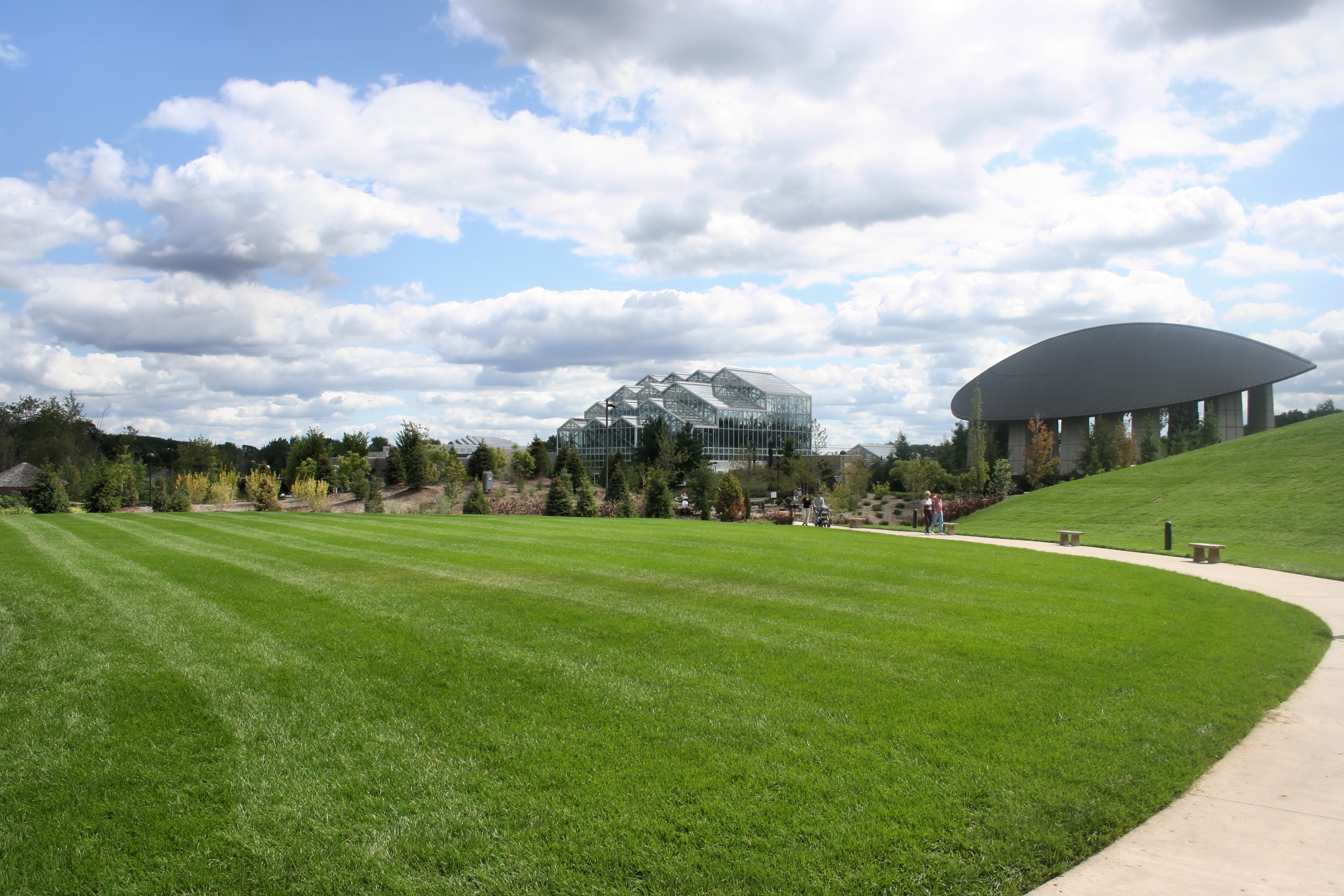
Grand Rapids is served by Gerald R. Ford International Airport (GRR). The breweries are the draw - Founders, Brewery Vivant, Elk Brewing, and dozens more; the Beer City Ale Trail provides self-guided tour. The Ford Museum covers presidential history and Watergate. The Frederik Meijer Gardens offers sculpture and gardens at impressive scale. The Grand Rapids Art Museum has a solid collection. The downtown has revived with restaurants and entertainment. Lake Michigan beaches are 30 minutes west. The weather is Michigan: cold winters, pleasant summers. Grand Rapids rewards visitors who appreciate craft beer and Midwest pleasantness.
From the Air
Located at 42.96°N, 85.66°W on the Grand River in western Michigan. From altitude, Grand Rapids appears as urban development along the river - Lake Michigan visible 30 miles to the west, the sprawl extending in typical Midwest pattern. What appears from altitude as western Michigan's largest city is the Furniture City turned Beer City - where craft breweries replaced furniture factories, where Dutch Reformed Christianity shapes the culture, and where Gerald Ford learned the values he brought to the presidency.