Granite Outcrops of Western Australia
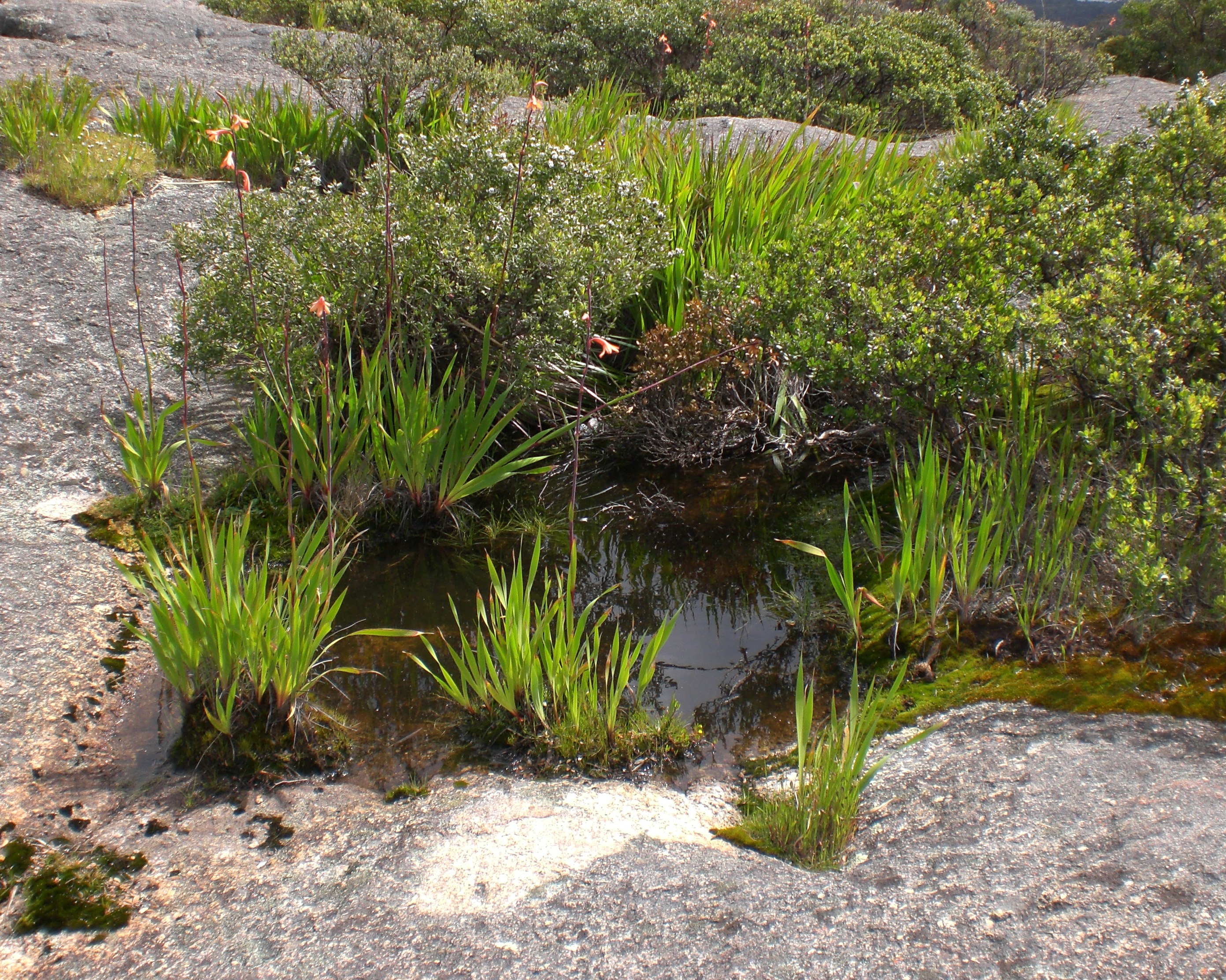
On the surface of a granite outcrop near Albany, a thin crust of lichen holds on. It is a mat constructed by blue-green algae and fungal associations that may be up to a billion years old - among the most ancient visible life forms on the planet, clinging to one of the most ancient rock types. Across Western Australia, granite outcrops punctuate the landscape as bornhardts, inselbergs, castle koppies, and nubbins, rising abruptly from flat surroundings like geological sentences left unfinished. They look barren from a distance. Up close, they are ecological islands: hosting at least 1,300 plant species, 230 aquatic invertebrates in their rainwater pools, and animals found nowhere else, from rock-wallabies to a mygalomorph spider that has made the crevices its only known home.
Islands in a Sea of Flatness
Western Australia's granite outcrops take every recognized form: smooth-domed bornhardts that shed water in sheets, jagged castle koppies with crevices deep enough to shelter wallabies, and low nubbins that barely break the soil surface but create microclimates all their own. Their ecological complexity is disproportionate to their size. Unfractured rock surfaces are covered in biofilm - cyanobacteria that give massive rockfaces their characteristic colour, ranging from charcoal to rust depending on the species present. Where moisture collects, mosses and spike-mosses form mats that trap organic material and create the thinnest of soils, offering foothold to other organisms. Trees and large shrubs that find purchase in clefts and fissures often grow in natural bonsai form, stunted by shallow root space but surviving for centuries.
Gnammas and Their Invisible Worlds
Depressions in granite surfaces collect rainwater into pools known as gnammas, and each one is an ecosystem in miniature. Around 230 aquatic invertebrate species have been documented in Western Australian gnammas, of which at least 50 are endemic to these pools and exist nowhere else. The gnammas fill and dry on seasonal cycles, and the organisms that depend on them have evolved to survive desiccation in egg or cyst form, reactivating when rain returns. For Aboriginal people, gnammas were crucial water sources in a landscape where permanent surface water was scarce. They remain culturally significant to the Noongar and other groups whose knowledge of specific gnammas and their reliability constituted survival information passed down through generations. European explorers and settlers depended on the same pools, and some outcrops became waypoints on stock routes and travel corridors precisely because their gnammas could be relied upon.
Orchids, Dragons, and Hidden Spiders
The flora of granite outcrops includes 141 orchid species, 16 percent of which are endemic to these landforms. Some, like Spiculaea ciliata, are known from only a handful of sites separated by a few kilometres. Woody species range from tall eucalypts and sheoaks to rock figs, with smaller genera including verticordia, banksia, grevillea, and melaleuca adapting to the peculiar conditions of shallow soil, extreme heat, and seasonal flood-and-drought cycles. Among the fauna, four reptile species are restricted to granite outcrops, including the ornate crevice-dragon (Ctenophorus ornatus), which uses the rock's thermal properties to regulate its body temperature. The mygalomorph spider Teyl luculentus and the larvae of the chironomid fly Archaeochlus are also granite-outcrop specialists. Black-flanked rock-wallabies shelter in the larger formations, using the rock's labyrinthine crevices as protection from both predators and the extremes of the Western Australian climate.
Wave Rock and the Wheatbelt Gallery
The Wheatbelt region east of Perth contains the densest concentration of named granite outcrops in the state. Wave Rock, near Hyden, is the most famous - a 15-metre-high overhang shaped by chemical weathering into a frozen ocean swell. But the Wheatbelt holds dozens more: Elachbutting Rock with its natural wave wall, Kokerbin Rock (also known as Kokerbin Hill), the scattered boulders of Puntapin Rock, and the formations of The Humps and Gorge Rock. Along the southern coast, granite takes different forms. At Torndirrup National Park, exposed faces plunge into the Southern Ocean. Elephant Rocks at William Bay National Park stand like weathered sentinels in turquoise water. At Porongurup National Park, Castle Rock and Balancing Rock demonstrate the koppie forms that make granite landscapes endlessly varied. Each outcrop is both a geological artifact and a living refuge, holding on to species that the surrounding farmland or scrub can no longer support.
From the Air
Coordinates: 32.45S, 118.00E (approximate centre of Wheatbelt outcrops). Individual granite outcrops are visible from low altitude (1,000-3,000 ft AGL) as pale grey domes or ridges rising from surrounding farmland or bush. Wave Rock near Hyden is the most distinctive from the air. Coastal outcrops at Torndirrup NP and William Bay NP are visible as headlands and boulder formations along the southern coast. Nearest airports: YPJT (Jandakot), YALB (Albany), YNRG (Narrogin). The Wheatbelt's cleared farmland makes the dark-vegetated outcrop bases stand out clearly.