Green's Point Lighthouse
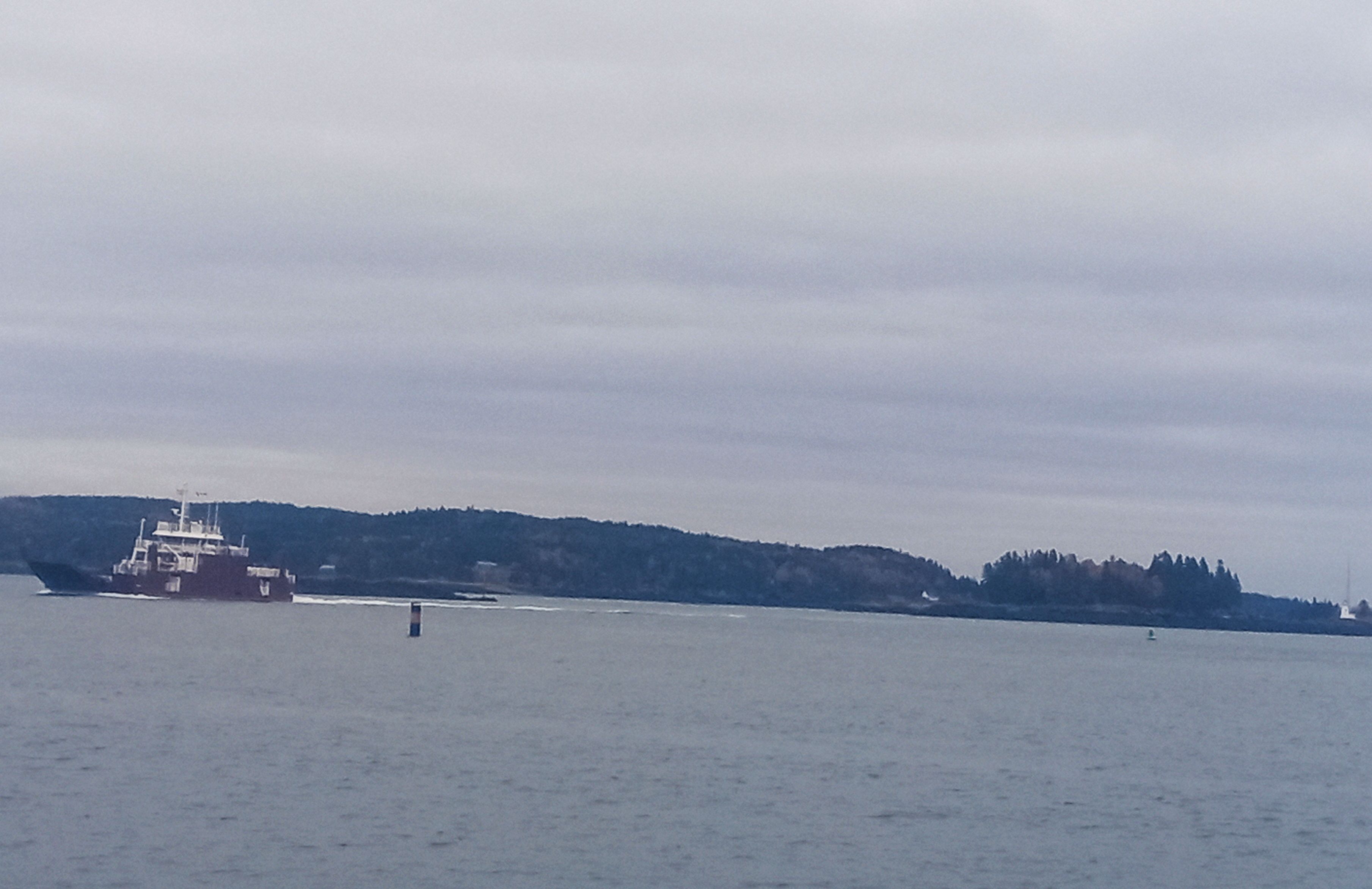
The Abnaki car ferry rounds the point and there it is: a white tower against the grey Atlantic, standing where it has since 1879, guiding vessels through the tricky entrance to Back Bay. Green's Point Lighthouse sits at L'Etete on the southwestern coast of New Brunswick, a place where the Bay of Fundy's immense tides squeeze through narrow passages between islands, and where the sea has always demanded a steady light. What makes this lighthouse unusual is not its age or its architecture but its afterlife. The tower still functions as a navigational aid, yet the property around it has become something richer -- part museum, part aquarium, part research station, part holiday rental. Visitors who book the attached keeper's cottage fall asleep to the rhythm of foghorns and wake to the sight of Coast Guard helicopters lifting off from the adjacent helipad.
A Light on Letete Passage
Green's Point -- sometimes called Mascabin Point in older records -- marks the opening where Letete Passage meets Back Bay. The waters here run fast and cold, funneled by the Bay of Fundy's legendary tides. When the lighthouse was established in 1879, this stretch of coast was busy with fishing boats and coastal traders navigating among the islands of Charlotte County. The original structure was altered in 1903, adapting to changing maritime needs, but the essential purpose remained: keep the light burning, keep the foghorn sounding, keep sailors alive. Today the Canadian Coast Guard maintains a helipad station at Green's Point for search and rescue operations. The base also services navigational lights and foghorns across the region, broadcasting on Channel 14 VHF. The lighthouse thus occupies an unusual dual identity -- a historic monument that remains very much a working part of Canada's maritime safety infrastructure.
Where Science Meets the Shore
In the summer of 1986, marine researchers chose Green's Point as one of several stations for a survey of benthic algae across southwestern New Brunswick. The study catalogued the species living on the seafloor in these cold, nutrient-rich waters, contributing to a broader understanding of the region's marine ecology. That research impulse never entirely left. The lighthouse property now includes an aquarium and a salmon aquaculture site, making it a hands-on classroom for high school and university students. The combination of working aquaculture, tidal ecology, and coastal geography draws school groups throughout the warmer months, turning a lighthouse visit into something more than a photograph and a gift shop. Thousands of tourists visit annually, many of them surprised to find genuine science happening alongside the postcard views.
Sleeping in the Keeper's Cottage
The most distinctive feature of Green's Point may be its hospitality. The cottage attached to the lighthouse is rented out to visitors, and the income helps finance the upkeep of the historic site. It is a clever arrangement -- sustainable preservation through tourism revenue, without the property losing its character. Guests who stay in the cottage live, briefly, the lighthouse keeper's life. The foghorn still sounds when the weather closes in. The helipad next door means that a search-and-rescue call can break the morning silence with the thwack of rotor blades. The interpretive centre on the grounds fills in the history, but the experience of spending a night at Green's Point communicates something that no museum panel can: the isolation, the beauty, and the relentless presence of the sea. An 1891 photograph of a visit to the lighthouse shows a scene remarkably similar to what a visitor finds today -- a modest building on a rocky point, surrounded by water and sky, doing the same job it was built to do.
From the Air
Located at 45.04°N, 66.89°W on the Atlantic coast of New Brunswick at the entrance to Back Bay near L'Etete. The lighthouse and helipad are visible on the point from low altitude. Nearest airport is Saint John Airport (CYSJ), approximately 70 km to the northwest. The Bay of Fundy coastline with its islands and passages provides excellent visual navigation references. Best viewed at 1,000-2,000 feet AGL for the lighthouse and surrounding coastal features.