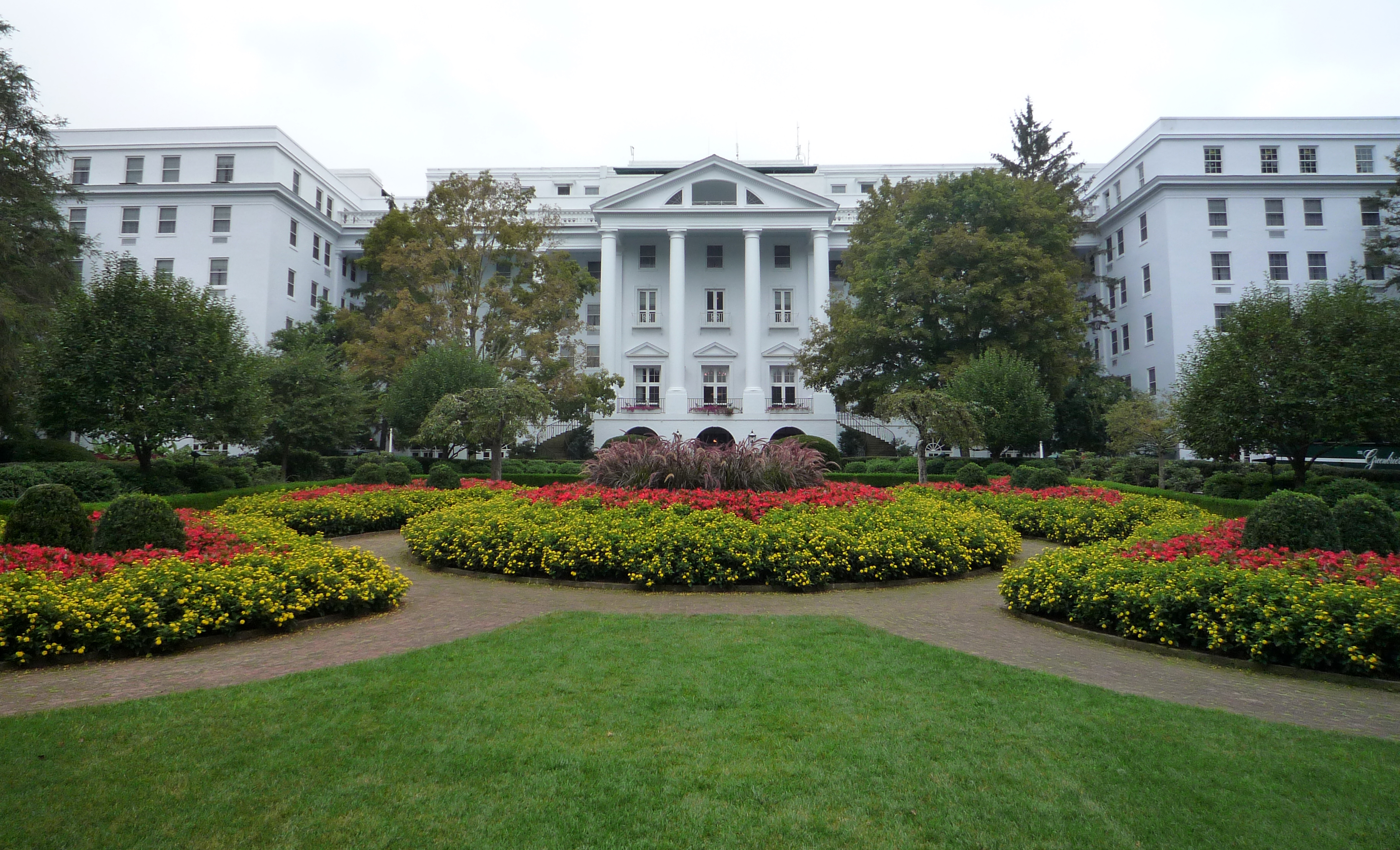
The Greenbrier Bunker
For thirty years, beneath the manicured grounds of one of America's most exclusive resorts, there was a secret. The Greenbrier, a luxury hotel in the mountains of West Virginia, concealed a massive underground bunker designed to house the entire United States Congress during nuclear war. Project Greek Island, as it was code-named, included dormitories for 1,100 people, a broadcast studio for addressing survivors, and decontamination chambers. The bunker was built in plain sight between 1958 and 1962, disguised as an addition to the hotel. For decades, 'Forsythe Associates,' a television repair company, maintained equipment that didn't need maintaining while actually keeping the facility ready for Armageddon. The secret held until 1992, when a Washington Post reporter exposed it. The bunker was immediately decommissioned. Today, the Greenbrier offers tours of the facility where Congress would have governed a destroyed America - a surreal Cold War relic hidden beneath a resort where guests play golf and drink mint juleps.
The Secret Project
After the Soviet Union developed nuclear weapons, the U.S. government needed a way to preserve congressional leadership during atomic attack. The plan was audacious: build a bunker large enough for all 535 members of Congress, plus staff, hidden in plain sight beneath a famous resort. The Greenbrier was ideal - remote, accessible by rail, already serving elite clientele who wouldn't notice construction. Between 1958 and 1962, workers excavated the mountainside behind the hotel, ostensibly building a new conference wing. The West Virginia Wing opened in 1962 with meeting rooms and an exhibit hall above ground - and 112,000 square feet of bunker below. The concrete walls were reinforced to withstand nuclear blast. The secret was maintained with remarkable discipline.
Inside the Bunker
The facility was designed for survival. Behind 20-ton blast doors lay dormitories with 1,100 bunk beds arranged in eighteen dorm rooms, enough for every senator, representative, and essential staff. Separate chambers served as meeting halls for the House and Senate, complete with desks. A broadcast studio would allow surviving leaders to address whatever remained of America. Decontamination showers would remove radioactive fallout. Massive diesel generators could power the facility for months. The bunker stored enough food and supplies to sustain its occupants through the initial crisis. Air filtration systems would remove radiation. The facility was tested regularly, its equipment maintained, its supplies rotated - all while guests above swam in the pool and attended cotillions.
The Cover
Maintaining the secret required elaborate deception. A company called 'Forsythe Associates' maintained an office at the Greenbrier, ostensibly providing television repair services. Its employees were actually government workers keeping the bunker operational. Hotel staff who stumbled onto the facility were sworn to secrecy; most never knew. When guests noticed the massive blast doors, they were told they led to storage areas or utilities. The bunker's entrance was through the exhibit hall, hidden behind false walls. Periodically, government teams would arrive for 'conferences' that were actually readiness exercises. The system worked for thirty years. Thousands of hotel guests slept above a nuclear shelter without suspecting.
The Exposure
In 1992, Washington Post reporter Ted Gup published an exposé revealing Project Greek Island to the world. His sources included a former bunker employee troubled by the secret. The story was a sensation. Congress immediately decommissioned the facility - once exposed, it was useless for its intended purpose. The government removed classified equipment and materials. The Greenbrier, initially alarmed, soon recognized opportunity. What had been a liability became an attraction. The hotel began offering tours of the bunker, charging guests to see where Congress would have sheltered during the apocalypse. Cold War tourists marveled at the blast doors, the decontamination chambers, the House and Senate meeting rooms that were never used.
Visiting the Bunker
The Greenbrier resort is located in White Sulphur Springs, West Virginia, about 250 miles west of Washington, D.C. Bunker tours are offered daily and require advance reservation through the resort. The 90-minute tour takes visitors through the blast doors, dormitories, meeting chambers, and broadcast studio, with guides explaining the facility's history and operations. The bunker has been designated a National Historic Landmark. Above ground, the Greenbrier offers golf courses, a casino, spa services, and the amenities of a luxury destination. The contrast between the elegant resort and its apocalyptic secret is jarring - perhaps intentionally so. The nearest airports are Greenbrier Valley Airport (LWB), 10 miles south, with limited service, and Charleston's Yeager Airport (CRW), 100 miles west. Amtrak's Cardinal line stops at the resort.
From the Air
Located at 37.79°N, 80.30°W in White Sulphur Springs, West Virginia, in the Allegheny Mountains about 250 miles west of Washington, D.C. From altitude, the Greenbrier appears as a large white Georgian-style hotel surrounded by golf courses and manicured grounds. The bunker is completely hidden beneath the West Virginia Wing - no external sign reveals its presence. The Greenbrier Valley lies between mountain ridges.