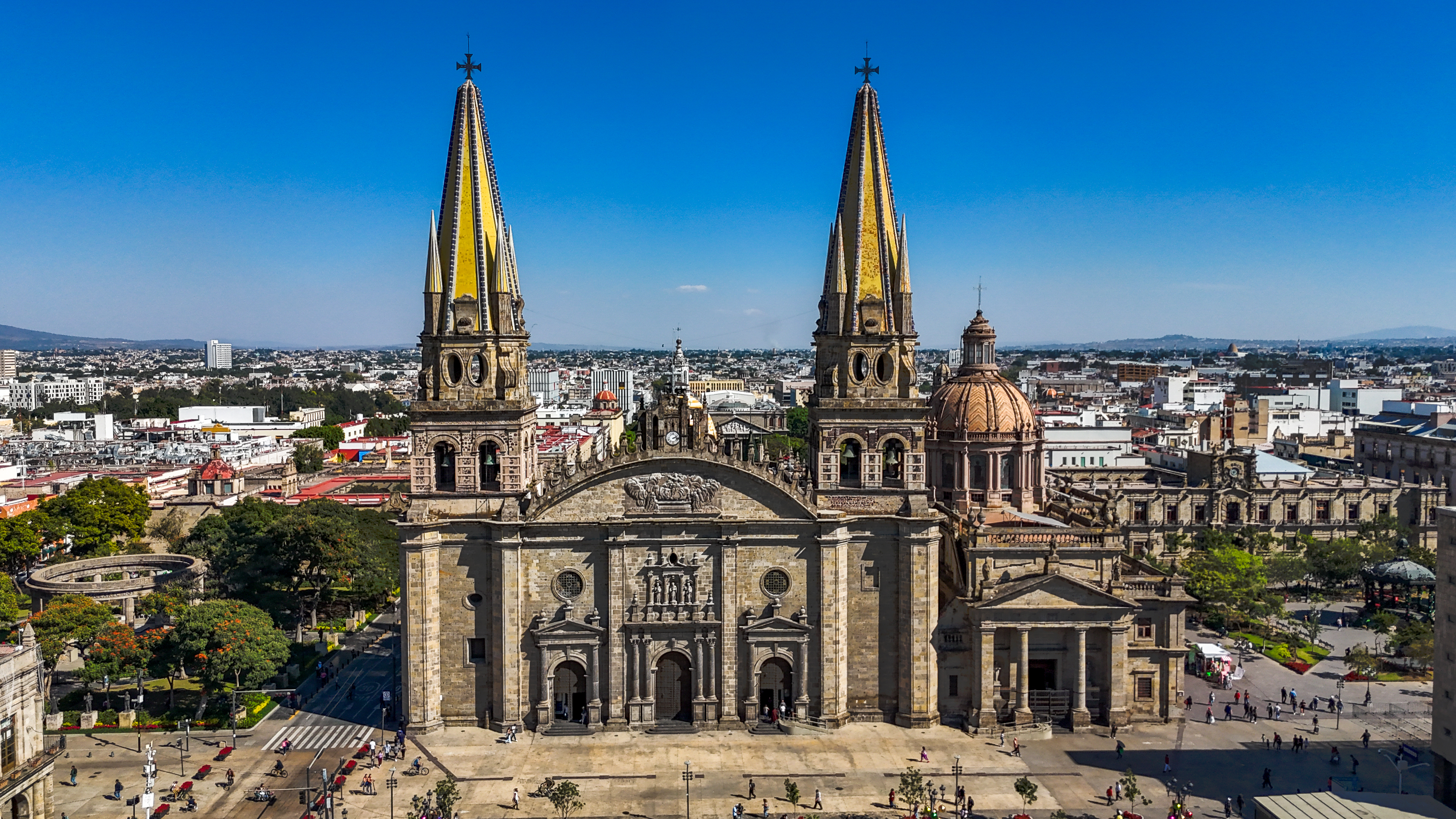
Guadalajara: Where Tequila, Mariachi, and the Mexican Soul Originate
Guadalajara is where the Mexican stereotypes come from - and the stereotypes are real. Tequila is produced in the town of Tequila, 40 miles northwest. Mariachi music evolved in the plaza where bands still gather nightly seeking gigs. The charrería, Mexican rodeo tradition, was codified here and remains integral to jalisco identity. The sombrero, the folklorico dancers, the representations of 'Mexico' that appear in tourism promotions - most originated in Jalisco. Guadalajara is Mexico's second city, conservative where the capital is cosmopolitan, traditional where the capital is modern, maintaining cultural continuity that has made it the wellspring of Mexican national identity.
The Tequila
Tequila, the spirit, can only be produced from blue agave in designated regions of Jalisco and a few adjacent states - and most production centers around the town of Tequila, reachable by highway or tourist train from Guadalajara. The agave fields - blue-gray succulents in geometric rows - cover the landscape. The distilleries range from artisanal to industrial, offering tours and tastings. The town itself trades on tequila tourism, its streets lined with tasting rooms and souvenir shops. The spirit that became globally popular originated here, in volcanic soil at 4,000 feet, processed by families who've distilled agave for generations.
The Mariachi
Plaza de los Mariachis and Plaza Garibaldi in Mexico City compete for mariachi supremacy, but the music originated in Jalisco - the specific combination of trumpet, violins, guitar, vihuela, and guitarrón, the vocal style, the repertoire. Mariachi groups gather in Guadalajara's plazas, wearing the traje de charro (horseman's suit) that's become mariachi uniform. The music evolved for celebrations: quinceañeras, weddings, funerals, serenades. The International Mariachi and Charrería Festival, held each September in Guadalajara, draws groups from across Mexico and the United States. The tradition that tourism reduced to stereotype remains living culture here.
The City
Guadalajara is Mexico's second-largest metropolitan area, with 5 million people - modern enough to host technology companies and manufacturing but traditional enough to maintain cultural practices that Mexico City has abandoned. The Centro Histórico clusters around the cathedral and government palace; Tlaquepaque and Tonalá offer artisan pottery and blown glass. The city's conservative politics contrast with the capital's progressivism; the Catholic church remains more influential here. Guadalajara is where tapatío identity - named for the clay vessels locals traded - defines itself against chilango (Mexico City) culture, maintaining regional pride in a centralizing nation.
The Birria
Birria - slow-cooked meat, traditionally goat, in chile-spiced broth - is Guadalajara's signature dish, recently transformed into the birria taco trend that conquered social media. The traditional preparation involves marinating meat in adobo, cooking for hours until tender, and serving with consommé for dipping. The tacos are dipped in the rendered fat before griddling, creating the red-tinged crispy exterior that photographs so well. Guadalajara birrerias serve the original, often for breakfast; the trendified American version is homage to something better experienced at source.
Visiting Guadalajara
Guadalajara is served by Miguel Hidalgo y Costilla International Airport (GDL). The Centro Histórico offers the cathedral, Hospicio Cabañas (UNESCO-listed, with Orozco murals), and government palaces. Tlaquepaque's pedestrian streets provide artisan shopping. The tequila towns are accessible by highway or the Tequila Express tourist train. Chapala, Mexico's largest lake, is a day trip south. Street food centers on tortas ahogadas (drowned sandwiches) and birria. The climate is eternal spring - 70s and low 80s year-round at 5,000 feet elevation. The experience reveals the Mexico that created the Mexican image - where the traditions that tourism caricatures remain genuinely practiced.
From the Air
Located at 20.67°N, 103.35°W in the western highlands of Jalisco at 5,100 feet elevation. From altitude, Guadalajara appears as a large urban area in a highland valley - the Sierra Madre Occidental rising to the west, the agave fields visible toward Tequila to the northwest. The Barranca de Huentitán, a dramatic canyon, borders the city to the north. Lake Chapala lies to the south. What appears from altitude as Mexico's second-largest metropolitan area is the cultural heartland of Mexican tradition - where tequila, mariachi, and the imagery of Mexico originated and where regional pride maintains what the capital has modernized.