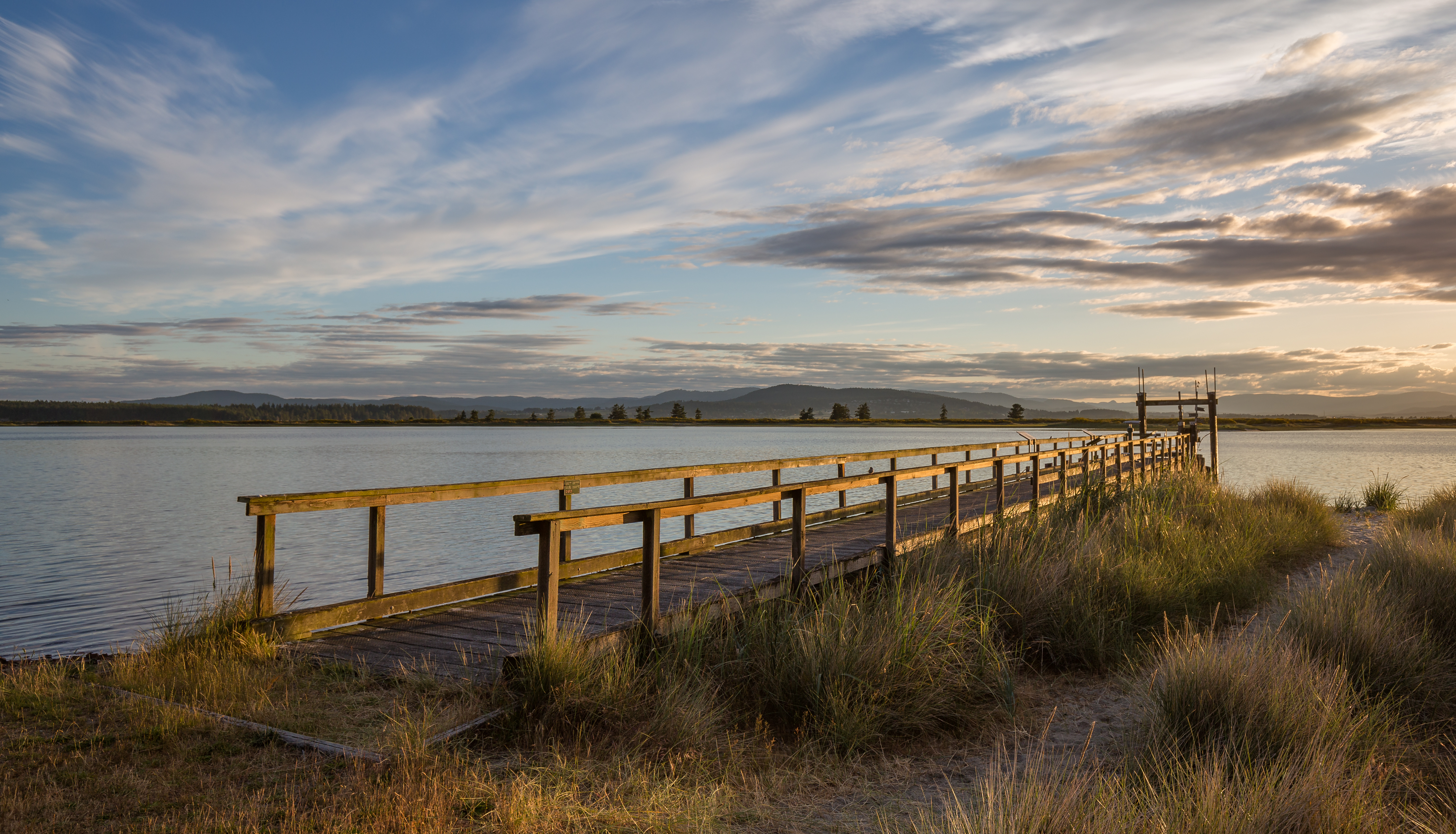
Gulf Islands National Park Reserve
The Gulf Islands National Park Reserve is not a single place but a constellation of protected fragments scattered across the southern Gulf Islands of British Columbia. Established in 2003, the reserve encompasses pieces of fifteen islands plus numerous islets and reef areas - a total of 36 square kilometers, though the protected marine environment extends far beyond the land boundaries. This patchwork approach reflects the islands' complex history of private ownership, indigenous use, and conservation compromise. There is no visitor center, no entrance gate, no single point of arrival. Instead, paddlers and boaters discover the reserve incrementally: a beach on Portland Island, a hiking trail on Saturna, a meadow of wildflowers on Russell Island where descendants of Hawaiian settlers still share family stories in summer. The challenge is access. The reward is wilderness that feels genuinely remote despite lying within sight of Victoria and Vancouver.
A Mediterranean Corner
The Gulf Islands sit in the rain shadow of Vancouver Island, receiving barely half the precipitation of Victoria and less than a quarter of Vancouver's rainfall. The result is a climate unique in Canada - dry summers, mild winters, and vegetation that includes arbutus trees, Garry oaks, and even prickly pear cactus. The southern Gulf Islands sometimes feel transplanted from California: rocky headlands dropping to protected coves, madrone bark glowing orange in afternoon light, grassy meadows fragrant with wild herbs. This Mediterranean microclimate supports ecosystems found nowhere else in the country, and the park reserve protects some of the last undeveloped examples.
Islands You Can Reach
Portland Island (also called Princess Margaret) is a favorite among kayakers and boaters - a 6.5-kilometer loop trail circles an island of cliffs, sandy beaches, and protected coves. Sidney Spit offers white sand beaches accessible by seasonal passenger ferry from the town of Sidney. On Saturna Island, nearly half of which lies within the reserve, hiking trails climb to viewpoints overlooking Boundary Pass, and East Point provides prime orca-watching territory as the whales hunt in the turbulent waters of Boiling Reef. Mayne Island contributes Bennett Bay, one of the nicest sand beaches in the Gulf Islands. Access varies by island - some require private boats or kayaks; others can be reached by BC Ferries or floatplane.
Camping at the Water's Edge
The park reserve offers backcountry camping on eight islands, plus two drive-in campgrounds. Most sites are boat-in or kayak-in only - Beaumont on South Pender, Narvaez Bay on Saturna, D'Arcy Island for those willing to paddle further. Campfires are prohibited; potable water is unavailable at most sites. Reservations are recommended for summer weekends. The experience is intimate wilderness: pitching a tent above the tide line, watching seals on nearby rocks, falling asleep to the sound of water on cobble beaches. Mooring buoys are available at several locations, including the protected waters between Cabbage and Tumbo Islands, where boaters find sheltered anchorage and access to island trails.
Heritage and Memory
Russell Island, at the mouth of Salt Spring's Fulford Harbour, preserves a different kind of history. The Mahoi House, a heritage building on a moderate 1-kilometer loop trail, commemorates Maria Mahoi, a pioneering woman of Kanaka (Hawaiian) and First Nations descent. Her descendants still serve as Russell Island hosts during summer months, sharing family stories and the island's unique heritage. The Fog Alarm Building at East Point on Saturna has been restored as an interpretive center staffed by local volunteers. Throughout the reserve, the presence of Coast Salish people extends back millennia; the park reserve acknowledges its status as unceded traditional territory. The islets themselves are closed to visitors - they serve as haul-out areas for marine mammals and nesting sites for seabirds. From a kayak, you watch but do not land.
From the Air
Located at approximately 48.85N, 123.45W in the Strait of Georgia between Vancouver Island and the British Columbia mainland. The reserve is scattered across multiple islands between Victoria and the US border. Nearest airports: Victoria International (CYYJ, 15nm southwest), Vancouver International (CYVR, 25nm north across the strait). Floatplane services operate from Vancouver and Victoria to various Gulf Islands. This is complex airspace with multiple small airports, floatplane operations, and international border considerations. Marine weather dominates; fog and low cloud common in morning hours. The islands themselves are low-lying; highest point is Mount Warburton Pike on Saturna at 490m. Orca whale watching vessels and kayakers are common in the channels between islands.