Hacienda Lealtad
The stone cell is small enough to touch both walls at once. It was built to punish enslaved people who resisted, and it still stands at Hacienda Lealtad in the mountains of Lares, Puerto Rico. Visitors see it on the tour, along with the former slave quarters, the wood-burning stove in the kitchen where enslaved women cooked, and the glácil - the drying field where twenty-one enslaved women spread coffee beans under the sun. The hacienda does not hide what it was. Founded in 1830 by Juan Bautista Plumey, a French immigrant who arrived in Puerto Rico with 32 enslaved people, Hacienda Lealtad became the largest coffee plantation in Lares. Today, restored as a living museum, hotel, and working coffee farm, it tells that history honestly - the wealth the coffee produced, and the human beings whose forced labor produced it.
The Frenchman's Coffee
Jean Baptiste Henri Plumey was born in France on September 8, 1797. He arrived in Puerto Rico as Juan Bautista Plumey, bringing with him 32 enslaved people and ambitions that the mountainous terrain of Lares would help fulfill. In 1830, three years after Lares itself was founded, Plumey established the hacienda. By 1846, when it was still called Hacienda La Esperanza, it was the only property in official documents registered as a hacienda. He had 69 cuerdas - about 27 hectares - planted in coffee, worked by 33 enslaved people and eventually hundreds of day laborers, the jornaleros who picked coffee in the surrounding hills. Plumey married Petronila Irizarry from nearby San Sebastián in 1833, and they had twelve children. The plantation was technologically advanced for its era, the first in the region to generate its own electricity. A canal and aqueduct guided water from the mountainside to a 17-foot hydraulic wheel that powered the hacienda's machinery and mills. The wheel still turns today.
Revolution and Abolition
In 1868, Lares erupted. The Grito de Lares, a two-day revolt against Spanish colonial rule, made the town synonymous with Puerto Rican independence. Historian Joseph Harrison Flores, working with the National Archives of Puerto Rico, found that Hacienda Lealtad's direct connection to the uprising was slender: only an eight-year-old child of an enslaved person from the hacienda was documented at the revolt, and that child spent six months in prison for it. Five years later, in 1873, Spain abolished slavery in Puerto Rico. The end of forced labor did not end exploitation. By 1880, the hacienda had changed hands and was owned by Miguel Marquez Enseñat, who paid workers with token money redeemable only at the hacienda's own store - a system that trapped workers in cycles of debt. Coffee, however, was ascendant. By the 1880s it had replaced sugar as Puerto Rico's leading export and principal source of wealth. That prosperity would not last; after the United States acquired Puerto Rico through the 1898 Treaty of Paris, coffee production and exportation dropped considerably, and the plantation eventually fell into disuse.
A Childhood Memory, Restored
Edwin Soto picked coffee beans at Hacienda Lealtad as a child. Decades later, the Puerto Rican businessman from Lares bought the property in 2007, intending it as a second home. But walking the grounds, seeing what remained - the landowner's house, the slave quarters, the hydraulic wheel, the stone punishment cell - he decided to restore the hacienda for its historic importance instead. Soto invested millions into the restoration, and Hacienda Lealtad reopened as a living museum, hotel, and café offering educational tours. The museum displays furniture belonging to the family of José de Diego, the Puerto Rican poet. The former post office still stands. Coffee trees grow again on the hillsides, producing beans sold under the Café Lealtad brand. In 2016, the Puerto Rico Tourism Company endorsed the hacienda as an agrotourism destination, and the University of Puerto Rico at Mayagüez opened a Hacienda Lealtad Café on campus in early 2019.
After the Storm
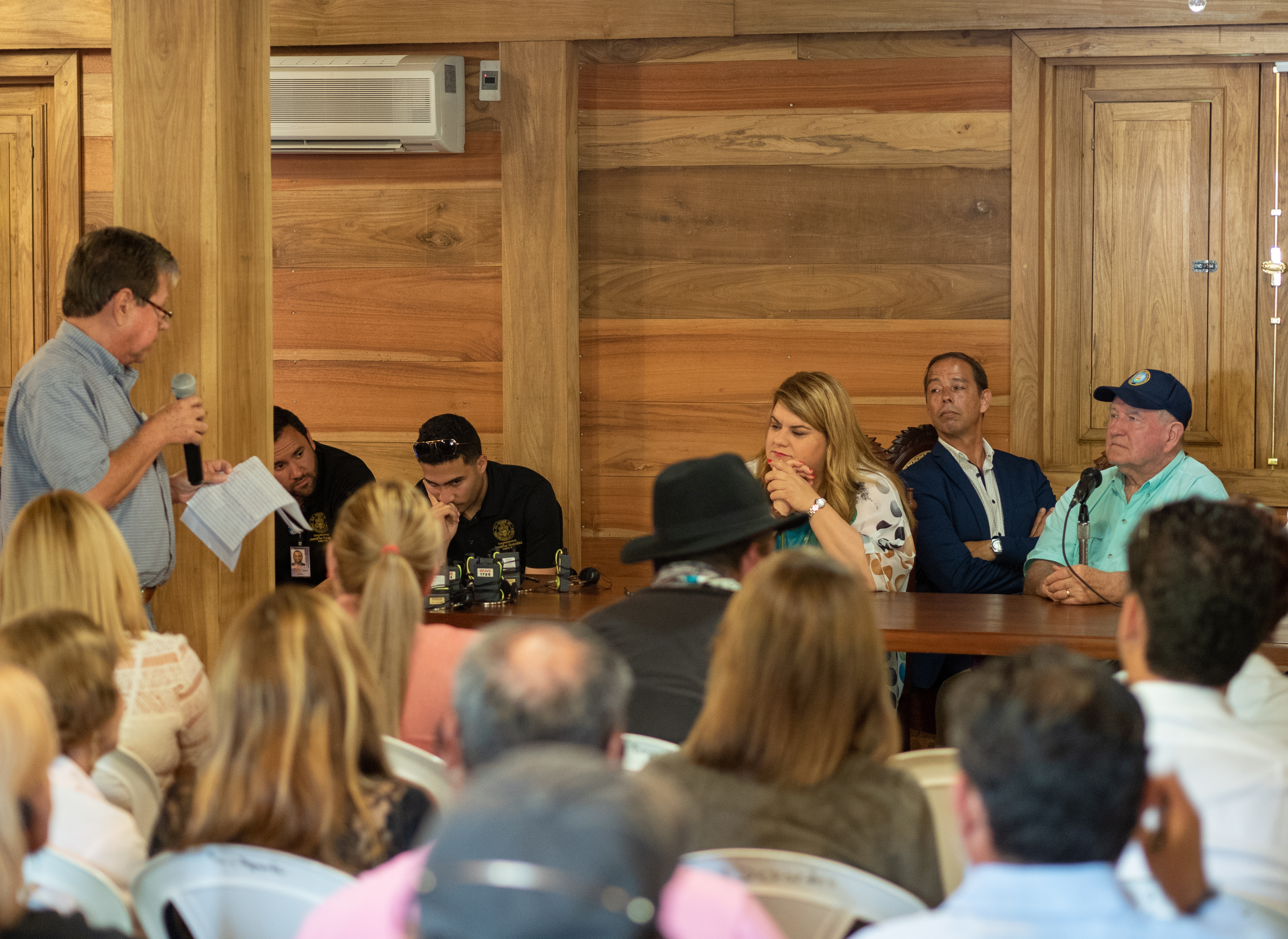
On September 20, 2017, Hurricane Maria destroyed all 60,000 coffee trees on the estate. Just a week earlier, Edwin Soto had reported with relief that Hurricane Irma had spared the trees. Maria spared nothing. The devastation was total, mirroring the wider catastrophe across Puerto Rico's coffee country. Lares, already the municipality with the largest emigration to the mainland United States due to severe economic recession, lost its most visible agricultural landmark overnight. But Soto and his family began replanting almost immediately. Clean-up, restoration, and new plantings started within weeks, and tours resumed as the hacienda rebuilt itself for the second time. Agriculture Secretary Sonny Perdue held a town hall meeting at the hacienda with farmers and stakeholders in the aftermath. Thirty Puerto Rican farmers completed an intensive eight-week course on agricultural business there. The hacienda has become more than a museum of the past; it is a working demonstration that coffee can still be grown in these mountains, that what hurricanes destroy can be planted again, and that confronting history honestly is itself an act of resilience.
From the Air
Located at 18.23°N, 66.88°W in the mountainous interior of Lares, Puerto Rico. The hacienda is situated in barrio La Torre, in the central mountain range (Cordillera Central). From the air, look for the terraced coffee-growing hillsides along Puerto Rico Highway 128 near kilometer 55.8. Nearest airport is Rafael Hernández Airport (TJBQ/BQN) in Aguadilla, approximately 25 nm northwest. Mercedita Airport (TJPS/PSE) in Ponce is approximately 25 nm south. The mountainous terrain creates turbulence and limited visibility in clouds; VFR recommended. The area is lush and green, with the town of Lares visible in the valley below. Coffee plantations appear as orderly rows of low trees on steep slopes.