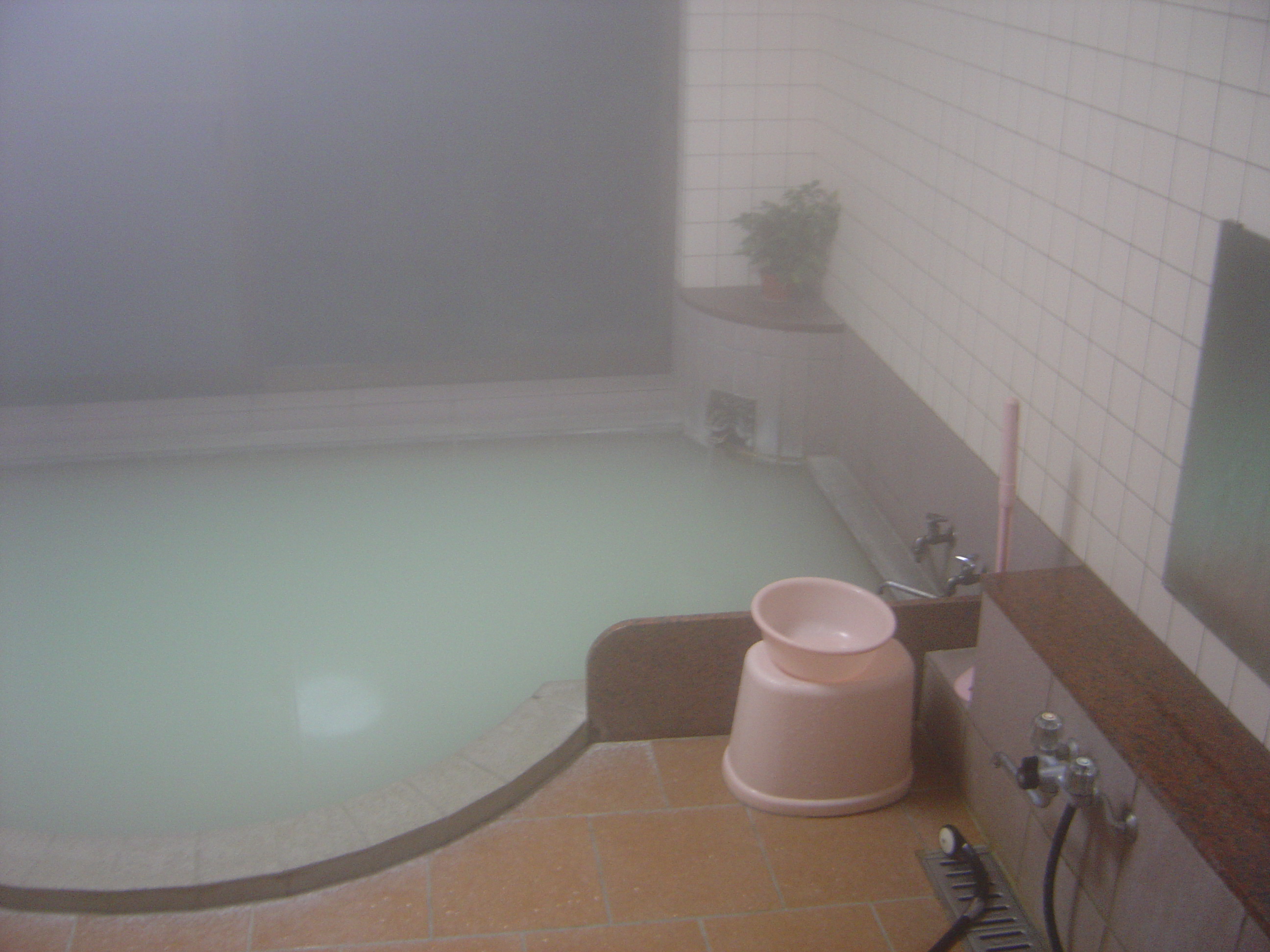
Hakone Onsen
In 738, a wandering Buddhist priest stumbled upon hot water bubbling from the earth in the Hakone Mountains, and that first spring is still in use today. Twelve centuries later, at least twenty distinct hot spring resorts ring the volcanic caldera of Mount Hakone, each with different mineral compositions, temperatures, and legends attached to their waters. Situated southwest of Tokyo and east-southeast of Mount Fuji within the Fuji-Hakone-Izu National Park, Hakone Onsen is one of the most popular bathing destinations in all of Japan -- a place where geology, folklore, and the Japanese art of soaking converge in clouds of sulfurous steam.
Warlords, Foxes, and Healing Waters
The legends surrounding Hakone's oldest springs read like chapters from a medieval epic. Hakone Onsen became nationally famous after the warlord Toyotomi Hideyoshi conquered Odawara in 1590, gathering samurai from across the country to besiege Odawara Castle. After the battle, Hideyoshi rested in the local hot springs, and at Sokokura Onsen a large stone bath is said to be the very one he used. At Kiga Onsen, the second-oldest spring in the area, the legend is stranger still: when Minamoto no Yoritomo was wounded in battle, a white fox appeared and led him to the healing waters. After recovering, Yoritomo went on to become the lord of the region. The story holds that the white fox later became his wife and was enshrined after death as the fox-god Inari. During the Tokugawa era, hot water from Hakone was regularly sent as tributary gifts to the shogun in Edo.
The Original Seven
Hakone's identity is built on its seven oldest springs, each with a distinct character. Hakone Yumoto Onsen, the most accessible, sits near the Hakone Tozan Railway's Yumoto Station with clear, alkaline waters at a pH of 8.8. One stop away, Tonosawa Onsen was reportedly discovered in 1604 by a Buddhist priest who used it to heal the sick. Miyanoshita Onsen is home to the storied Fujiya Hotel and salt-water springs. Dogashima Onsen, allegedly found by the 14th-century Zen master Muso Soseki at the bottom of a valley, is reached today by private monorail cable cars. Ashinoyu Onsen, the highest in elevation among the seven, has been operating since the Kamakura era and draws artists and writers with its unusual turbid alkaline waters. Each spring tells a different story, but together they form a constellation of bathing culture that has drawn visitors to these mountains for nearly thirteen centuries.
Rails to the Steam
The transformation of Hakone from a remote mountain retreat into one of Japan's premier resort destinations is a story written in railroad timetables. In 1919, the Hakone Tozan Railway completed its line to Hakone-Yumoto Station, suddenly placing a dozen hot springs within easy reach of Tokyo and Yokohama. By 1930, the rail line had expanded further into the mountains. The Seibu Railway began service to Odawara in 1935, and after World War II the Odakyu Electric Railway extended its tracks all the way to Hakone Yumoto Station. What had been a pilgrimage for the devoted became a day trip for millions. Today, the Hakone Tozan Railway, cable cars, and the Hakone Ropeway connect springs scattered across the caldera -- from the sulfate-rich waters of Ubako Onsen near Lake Ashi to the acidic springs of Owakudani in the geothermal valley, where black eggs boiled in volcanic pools are said to add seven years to your life.
A Living Volcano's Gift
The diversity of Hakone's springs is a direct product of its volcanic geology. Mount Hakone is not a single peak but a complex of volcanic cones and calderas, and the magma chambers beneath supply heat and minerals to springs at every elevation. Some waters are clear and alkaline; others are acidic and turbid. Gora Hot Spring offers a cluster of 24 bathing facilities with alkaline waters popular since 1894. Yunohanasawa Onsen, on the hillside of Mount Komagatake, is famous for yunohana -- filamentous mineral precipitates literally called "hot spring flowers" -- rich in sulfur, calcium, aluminum, iron, and silicon. The volcano occasionally reminds visitors who is in charge: in April 2015, increased seismic activity prompted the Japan Meteorological Agency to issue a Level 2 volcanic alert, temporarily dampening tourism. But the springs kept flowing, as they have since that Buddhist priest first found them in 738.
From the Air
Located at 35.24N, 139.06E in the Hakone volcanic complex, part of the Fuji-Hakone-Izu National Park. From the air, the Hakone caldera is unmistakable: a roughly circular mountain rim surrounding Lake Ashi, with the steaming Owakudani geothermal valley visible as a pale scar on the northern slopes. Mount Fuji dominates the western horizon. Hot spring resorts are scattered throughout the caldera and along the mountain railway corridors, though individual facilities are not visible from altitude. The Hakone Ropeway line is traceable as it crosses the volcanic terrain. Nearest major airport: Tokyo Haneda (RJTT), approximately 95 km northeast. Expect frequent cloud cover and volcanic haze around the caldera rim, with best visibility in autumn and winter months.