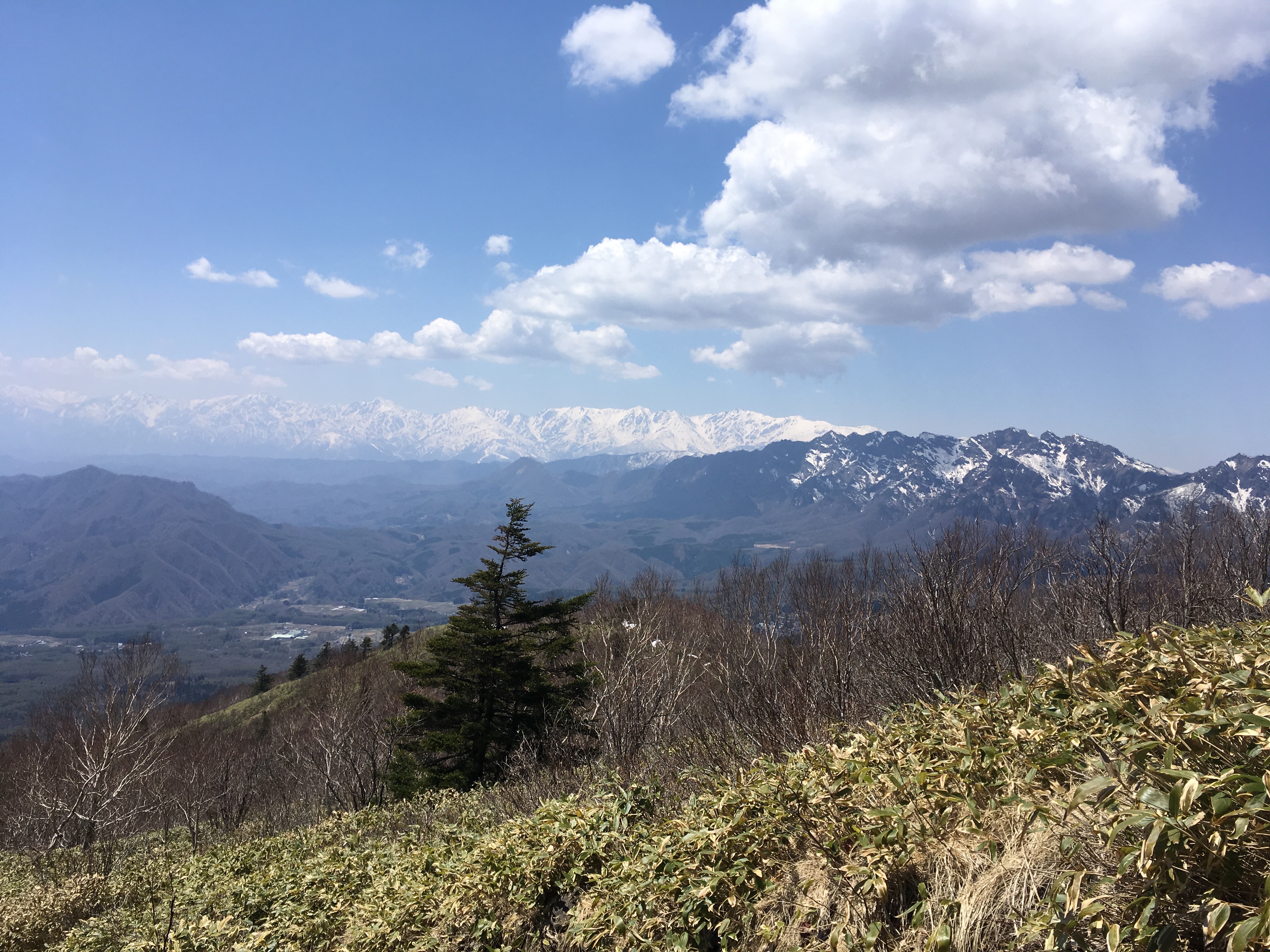
Hakuba
Every spring, when the snowpack on the upper slopes of Mount Shirouma begins to thin, a dark patch emerges in the shape of a galloping horse. For centuries, farmers in the valley below watched for this figure -- the signal that rice planting season had arrived. They called the mountain Shirouma, meaning white horse, and the village at its feet took the name Hakuba, an alternate reading of the same characters. That dual identity -- ancient farming hamlet and world-class alpine destination -- still defines this narrow valley wedged between the 2,932-meter peaks of the Northern Japan Alps and the rice paddies of Nagano Prefecture.
The Salt Road's Resting Place
Long before anyone thought of strapping boards to their feet and sliding downhill, Hakuba mattered because of salt. The Shio no Michi, or Salt Road, was a 120-kilometer trading route that connected the landlocked samurai stronghold of Matsumoto to the Sea of Japan coast at Itoigawa. During the Edo Period, bokka foot porters shouldered heavy loads of salt and dried fish along mountain paths through the valley, stopping overnight in Hakuba to rest before the final push over the passes. The route dates to at least the 17th century, and remnants of the old trail still wind through forests above the village. Each year, Hakuba holds a Salt Road Festival to honor this heritage. The porters are gone, but the valley's role as a waypoint between coast and interior lingers in the bones of the place.
Olympic Snow
Hakuba's transformation from quiet farming village to international resort began in earnest when it hosted alpine, ski jumping, and cross-country events for the 1998 Nagano Winter Olympics. The Happo-One ski area, the valley's largest, served as the main venue, and its steep runs still carry the memory of Olympic downhill and super-G courses. Today the Hakuba Valley links ten ski resorts with more than 200 runs, fed by an average annual snowfall of 655 centimeters. The powder here is legendary -- cold, dry air sweeping off the Sea of Japan dumps moisture against the wall of the Northern Alps, producing deep, consistent snow that draws skiers from across Asia and beyond. Happo-One alone rises from 760 meters at its base to 1,831 meters at its summit, offering everything from gentle beginner slopes to expert terrain among the birch and pine forests above the treeline.
The Green Season
When the snow melts, Hakuba reveals a different personality entirely. Three freshwater lakes -- Aoki, Nakatsuna, and Kizaki -- line the valley floor, clean enough to swim in. Engines are banned on Aoki, the quietest of the three, where the only sounds are paddle strokes and the occasional splash of a fishing line. Ski lifts reopen in summer to carry hikers and mountain bikers to higher elevations. Above Happo-One, a 40-minute trail leads to a small alpine pond that mirrors the surrounding peaks on still mornings. More ambitious hikers continue upward to the summit of Mount Karamatsu on the main ridge of the Northern Alps. Above the Tsugaike resort, a ropeway ascends to a designated national park wetland, and from there a trail leads all the way to the summit of Mount Shirouma itself -- the peak that gave the village its name. At 2,932 meters, the view from the top stretches across the Toyama plain to the Sea of Japan.
Soaking in the Mountains
No visit to Hakuba is complete without an onsen. The valley is dotted with natural hot spring baths, some indoor and polished, others little more than stone-lined pools steaming beside a mountain stream. The ritual is simple and deeply Japanese: scrub clean before entering, then lower yourself into water hot enough to make you gasp. After a day on the slopes or the trails, the heat works into muscles and joints with an almost medicinal insistence. Hakuba's culinary identity leans local as well -- blueberries grow here in abundance, turned into youkan sweet jelly and daifuku rice cakes. The village's purple rice, a blend of glutinous and non-glutinous grains that turns a striking violet when boiled, is sold at roadside stations. These are small, specific pleasures, the kind of details that separate a destination from a resort.
From the Air
Located at 36.70N, 137.87E in the Hakuba Valley, Nagano Prefecture. The village sits at roughly 700 meters elevation in a narrow north-south valley flanked by the Northern Japan Alps (Hida Mountains) to the west, with peaks exceeding 2,900 meters. The ski runs and lifts of Happo-One are visible on the western slopes above town. Nearest airport: Matsumoto (RJAF), approximately 60 km south. Nagano city lies about 50 km east beyond the mountains. Approach from the east reveals the dramatic wall of the Northern Alps; from the west, the valley is accessed through mountain passes. Winter conditions bring heavy snowfall and reduced visibility. Summer offers clear alpine views.