Halifax: The Maritime City Where the Titanic Dead Were Brought Ashore
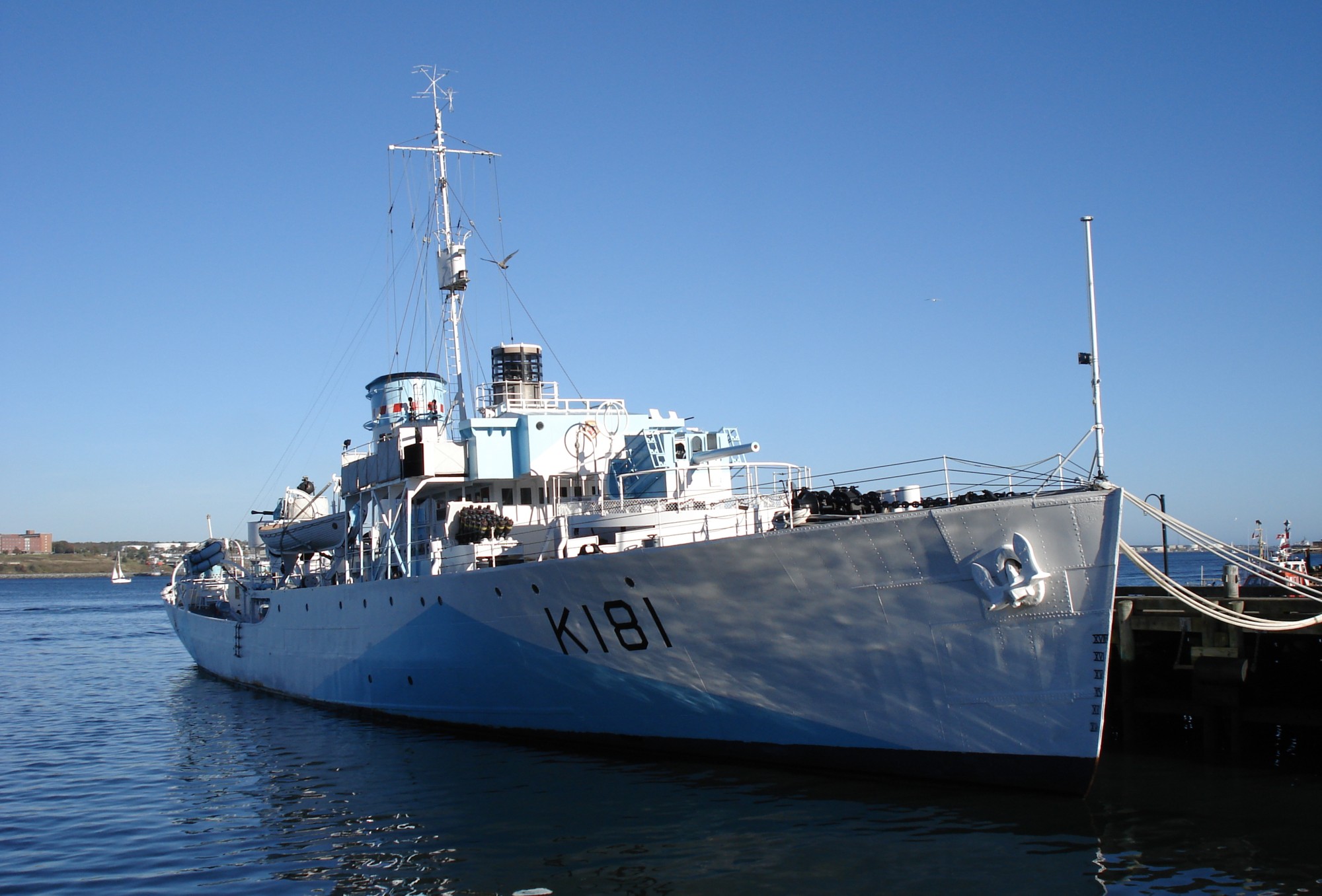
Halifax exists because of its harbor - one of the world's largest and deepest natural harbors, ice-free year-round, strategically positioned where Europe meets North America. The British founded the city in 1749 as a military counterweight to French Louisbourg; the military purpose has defined it ever since. The Royal Canadian Navy is headquartered here; NATO exercises run from here; the military presence is ubiquitous. But Halifax is also defined by disaster - the 1917 explosion that leveled the north end, the Titanic dead brought ashore in 1912, the hurricanes and winter storms that pound the coast. The city of 400,000 wears its Atlantic character openly: the salt air, the fog, the maritime history, the awareness that the sea gives and the sea takes away.
The Explosion
On December 6, 1917, the French cargo ship Mont-Blanc, loaded with wartime explosives, collided with the Norwegian vessel Imo in Halifax Harbour. The resulting explosion was the largest man-made blast before Hiroshima - 2,000 dead, 9,000 injured, the entire north end of Halifax leveled. Windows broke 60 miles away; the anchor shaft landed 4 kilometers from the ship. The explosion shaped modern Halifax: the rebuilding created new neighborhoods, the response created modern emergency management, the trauma embedded itself in local memory. The annual December 6 ceremony still honors the dead; the city still sends Boston a Christmas tree in gratitude for emergency aid.
The Titanic
When the Titanic sank on April 15, 1912, Halifax was the nearest major port. Cable ships dispatched from Halifax recovered 328 bodies from the North Atlantic; 150 were buried in Halifax cemeteries. Fairview Lawn Cemetery holds the most famous graves, including J. Dawson - whose headstone attracted visitors after the 1997 film made 'Jack Dawson' a character (they're different people). The Maritime Museum of the Atlantic houses Titanic artifacts: a deck chair, victims' belongings, pieces of the ship. Halifax's connection to the disaster is real but strange - the city became Titanic's cemetery without having any connection to the voyage itself.
The Citadel
Halifax Citadel sits on a hill overlooking the harbor, the fourth fortress built on the site, never attacked but always garrisoned. The star-shaped fortification was completed in 1856; soldiers fired the noon gun until 1939; interpreters in period costume fire it still. The Citadel represents Halifax's military purpose - the reason the British founded the city, the function it still serves. The view from the ramparts explains the strategic value: the harbor approaches are visible in all directions, the city spread below, the Atlantic beyond. Halifax was built to be defended; the Citadel was where the defenders stood.
The Waterfront
Halifax's waterfront has been transformed from industrial docks to public promenade - the boardwalk runs for three kilometers, past the Maritime Museum, the ferry terminal, the Historic Properties' stone warehouses now holding restaurants and shops. The redevelopment pattern is familiar from other port cities, but Halifax's version feels less gentrified, more working waterfront. The ferry to Dartmouth still runs as transit, not tourism; the tugboats still work; the container ships still pass. The waterfront connects Halifax to its harbor purpose while adapting to modern uses - the sea that made the city still shapes it.
Visiting Halifax
Halifax is served by Halifax Stanfield International Airport (YHZ). The Citadel is free to enter and essential for understanding the city. The Maritime Museum of the Atlantic covers the Titanic, the explosion, and general maritime history. The waterfront boardwalk offers walking and dining. Peggy's Cove, 45 minutes south, provides the iconic lighthouse photograph. The Halifax Public Gardens are Victorian perfection. The food scene emphasizes seafood - donairs are the local specialty, a Halifax twist on the doner kebab. The weather is Atlantic maritime: fog common, winters cold but not extreme, summers mild. Pack layers and an umbrella regardless of forecast.
From the Air
Located at 44.65°N, 63.58°W on the Atlantic coast of Nova Scotia. From altitude, Halifax appears as urban development around one of the world's great natural harbors - the container port visible, the Citadel's star shape identifiable on its hill, the harbor stretching inland. The Atlantic lies to the east; the Maritime forests extend in all directions. What appears from altitude as a mid-sized Atlantic city is the Maritime capital - where the 1917 explosion created modern disaster response, where the Titanic dead were brought ashore, and where the harbor that built the city still defines it.