Harlem African Burial Ground
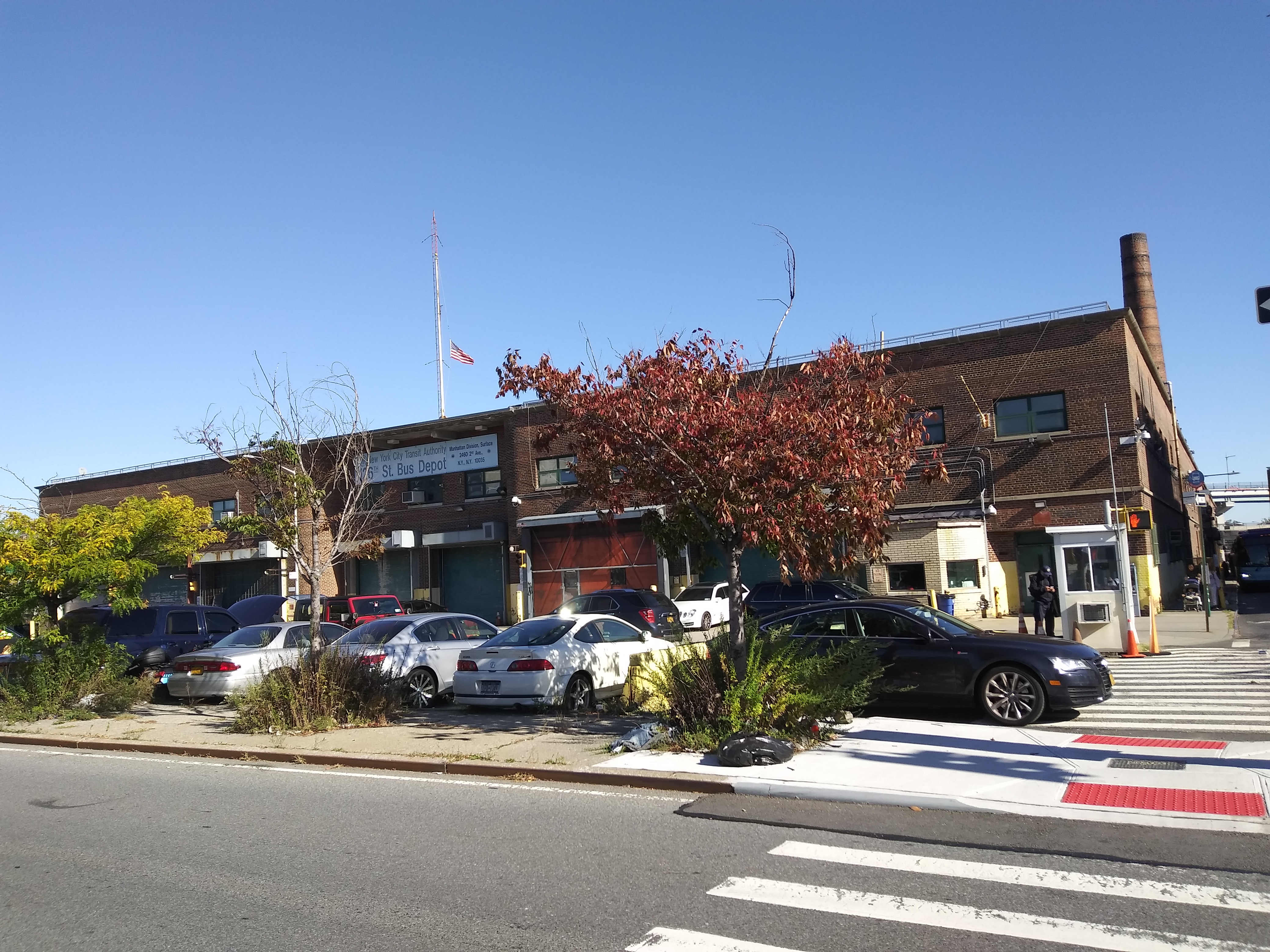
Beneath a decommissioned bus depot on Second Avenue in East Harlem, the dead have been waiting since the seventeenth century. The Harlem African Burial Ground was established in 1668 as a segregated cemetery for enslaved and freed Africans in the Dutch colony of Nieuw Haarlem. For over 350 years, the remains of these men and women lay beneath layers of development -- a church, a beer garden, an amusement park, a National Guard barracks, a William Randolph Hearst film studio, a streetcar barn, and finally a municipal bus depot. The community above walked and drove and parked over them without knowing they were there. It took a bridge reconstruction project in the late 1990s to reveal what the ground still held.
The Colony's First Dead
In 1658, Dutch governor Peter Stuyvesant ordered enslaved Africans to build a road connecting the colony in Lower Manhattan to the settlement of Nieuw Haarlem. Seven years later, colonizers raised funds for a Reformed Dutch church at what would become First Avenue between 126th and 127th Streets. By 1667, a quarter-acre plot north of the church served as the colony's first official burial ground. When the church relocated in 1686, a new cemetery was established at the new site for white parishioners. The original burial ground -- the one that held the bodies of enslaved and freed Africans -- became known as the Negro Burying Ground. It was maintained by the Low Dutch Reformed Church of Harlem, which operated the two cemeteries as segregated spaces: one for white parishioners, one for parishioners of African descent.
Left Behind
In the mid-nineteenth century, the church moved several blocks from its original location and sold the burial ground to a parishioner who used the land to graze livestock. When the church sold the site again in 1853, the land -- including the African cemetery -- was divided into private parcels that became City Block 1803. The remains of white parishioners were carefully disinterred, with descendants' permission, and reburied at Woodlawn Cemetery in the Bronx. The remains of the African parishioners were left where they lay. No one asked their descendants. No one moved their bones. The land changed hands and purposes repeatedly over the next century and a half, each new use further burying the memory of who rested beneath. By the twentieth century, the site had been paved over and built upon so thoroughly that the burial ground existed only in church records and the suspicions of local historians.
Bones Beneath the Bus Depot
In the late 1990s, the New York City Department of Transportation began planning the reconstruction of the nearby Willis Avenue Bridge. Environmental review revealed that construction might disturb a colonial site beneath the decommissioned East 126th Street Bus Depot. A Phase I-A archaeological survey confirmed what Harlem historians had long suspected: the burial ground was real, and it was here. The Harlem African Burial Ground Task Force, founded in 2009 by Dr. Patricia A. Singletary of Elmendorf Reformed Church and former City Council Speaker Melissa Mark-Viverito, began working to memorialize and preserve the site. In 2015, a Phase I-B archaeological assessment uncovered more than 140 bone and bone fragments, including a skull believed to belong to an adult woman of African descent. The remains were re-consecrated in a ceremony led by Dr. Singletary and are currently held in storage at the New York City Landmarks Preservation Commission, awaiting re-interment.
A Memorial Takes Shape
In 2017, the New York City Council approved the redevelopment of the former bus depot into a mixed-use project with a permanent memorial at the location of the original burial ground. The approval stipulated that no construction could occur on the cemetery site itself -- that land is reserved solely for the memorial. The surrounding block will become a cultural center for East Harlem residents and affordable housing for low-income families. The project was delayed by the COVID-19 pandemic, and in 2022 the MTA announced plans to finish vacating the block, with a design phase contingent on funding. More than three centuries after the first bodies were interred, the people buried in the Harlem African Burial Ground may finally receive the recognition that history denied them -- a place marked, acknowledged, and held apart from the city's relentless appetite for building over its own past.
From the Air
Located at 40.803N, 73.931W in East Harlem, Manhattan, near the intersection of Second Avenue and East 126th Street. The site is adjacent to the Willis Avenue Bridge approach over the Harlem River. Nearby airports include LaGuardia (KLGA, 5 nm east) and Teterboro (KTEB, 9 nm northwest). Best viewed at 2,000-3,000 ft AGL to see the East Harlem grid and the Harlem River crossings.