Harriet Tubman Underground Railroad
In the tidewater marshes of Maryland's Eastern Shore, Harriet Tubman was born into slavery around 1822. She labored in these fields and forests until her escape in 1849. Then she did something unprecedented: she came back. Over the next decade, Tubman returned to Maryland's Eastern Shore at least 13 times, leading approximately 70 enslaved people to freedom through the Underground Railroad. She used the landscape she knew intimately - waterways for navigation, forests for cover, safe houses maintained by free Blacks and white abolitionists. Today, the Harriet Tubman Underground Railroad National Historical Park preserves the landscape of her heroism: the fields where she worked, the routes she traveled, and the communities that aided her mission. The landscape that made her a slave also made her a conductor.
The Bondage
Harriet Tubman was born Araminta Ross around 1822 on a plantation in Dorchester County, Maryland. She was one of nine children, all born into slavery. From childhood, she worked - first as a nursemaid, then as a field hand. Around age 12, a white overseer threw a metal weight that struck her head, causing seizures, severe headaches, and visions that continued throughout her life. She married John Tubman, a free Black man, around 1844, taking his surname. When rumors spread that she would be sold to the Deep South in 1849, Tubman fled north using the Underground Railroad. She reached Philadelphia but couldn't rest knowing her family remained enslaved.
The Rescues
Between 1850 and 1860, Tubman made at least 13 trips back to Maryland's Eastern Shore, rescuing approximately 70 enslaved people including her elderly parents. She operated in winter when long nights provided cover. She used the North Star for navigation, traveled by night, and hid during days in marshes, forests, and safe houses. She carried a pistol - reportedly threatening to shoot anyone who tried to turn back. A $40,000 bounty (over $1.4 million today) was eventually placed on her head. She never lost a passenger. 'I never ran my train off the track,' she said later, 'and I never lost a passenger.'
The Network
The Underground Railroad wasn't a railroad and wasn't underground - it was a network of safe houses, routes, and people who helped the enslaved escape to freedom. On Maryland's Eastern Shore, the network included free Black communities, sympathetic Quakers, and hidden routes through marshes and forests. Tubman knew this landscape from childhood - she used that knowledge to evade slave catchers who didn't understand the terrain. Safe houses (called 'stations') sheltered fugitives; 'conductors' like Tubman guided them; 'stockholders' provided funding. The network stretched from the South to Canada, where American fugitive slave laws didn't apply.
The Legacy
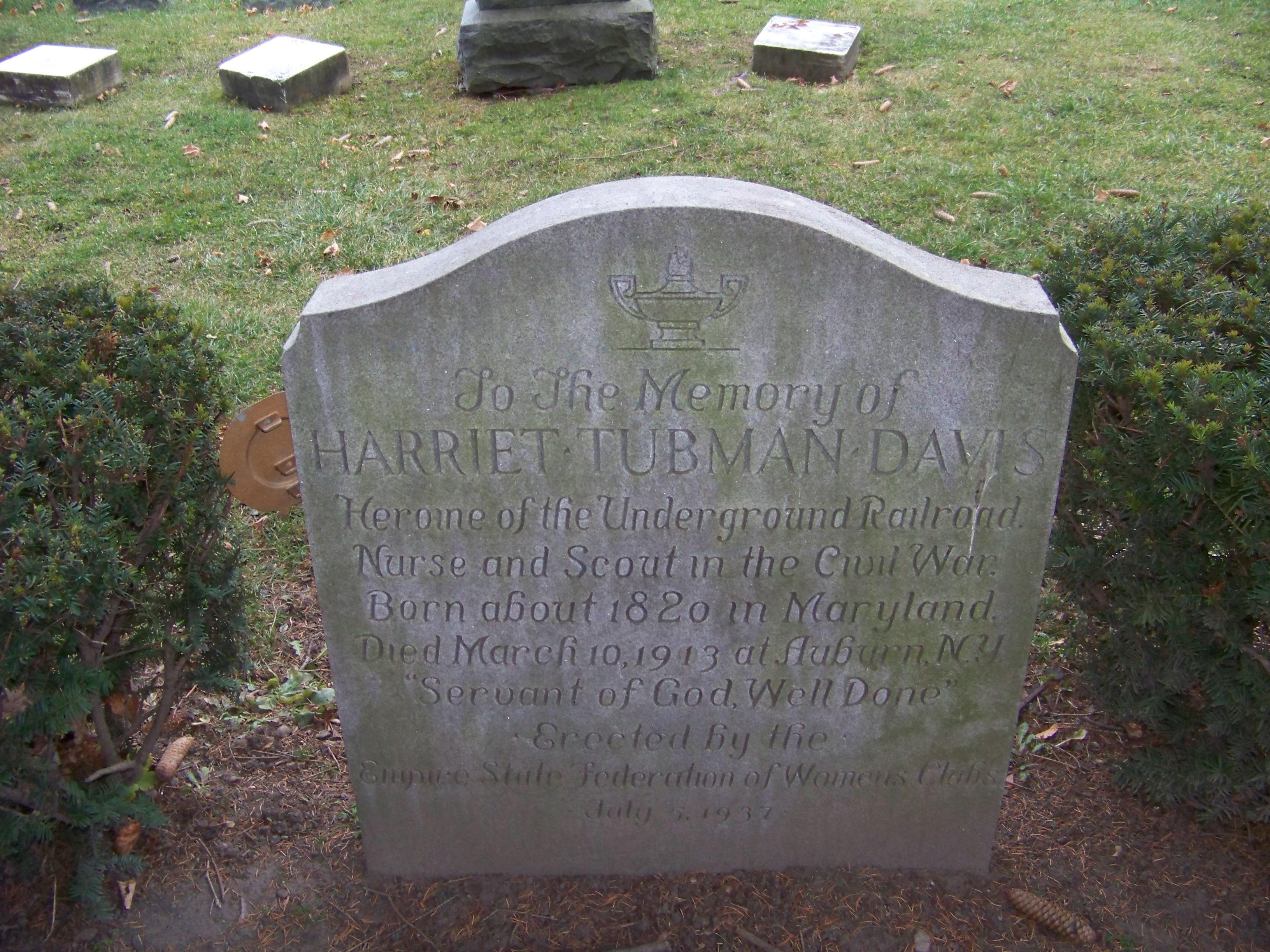
Tubman's life after the rescue missions was equally remarkable. During the Civil War, she served as a scout, spy, and nurse for the Union Army. She led the Combahee River Raid in 1863, freeing over 700 enslaved people - the only woman to lead an armed assault during the war. After the war, she advocated for women's suffrage and established a home for elderly African Americans in Auburn, New York. She died in 1913. Her face will appear on the redesigned $20 bill. The Harriet Tubman Underground Railroad National Historical Park, established in 2014, preserves the Maryland landscape where her courage was forged.
Visiting the Harriet Tubman Sites
Harriet Tubman Underground Railroad National Historical Park is located in Church Creek, Maryland, on the Eastern Shore. The visitor center offers exhibits, films, and guided programs. The Harriet Tubman Underground Railroad Byway connects historic sites across 125 miles of Dorchester and Caroline Counties. Key sites include: Brodess Farm (where Tubman was enslaved), Bucktown Village Store (where she was injured), and multiple landscape features she used for escape routes. Cambridge has lodging and restaurants. Salisbury-Ocean City Airport is 25 miles southeast. Baltimore is 90 miles northwest. The flat tidewater landscape of marshes, forests, and fields looks much as it did in Tubman's time - a living memorial to courage.
From the Air
Located at 38.45°N, 76.13°W on Maryland's Eastern Shore, in Dorchester County. From altitude, the terrain is classic Chesapeake Bay tidewater - flat marshland, agricultural fields, waterways threading through lowlands. The Blackwater National Wildlife Refuge, which preserves landscape Tubman knew, is visible as a large wetland area. Cambridge is the largest nearby town. The Chesapeake Bay is visible to the west. The flat, watery terrain that Tubman used for escape and concealment is apparent from above - a landscape of hiding places, water routes, and difficult pursuit for those who didn't know it intimately.