Havana
Time stopped in Havana sometime around 1959, and nobody has figured out how to restart the clock. Cuba's capital of 2.1 million people still runs on 1950s American cars, its colonial buildings standing unrenovated through decades of embargo. When Castro's revolution seized power, it also froze the city in amber. Neon signs went dark. Mobster-built hotels became workers' housing. Development halted the moment relations with America collapsed. Today Habaneros gather along the Malecon seawall while restoration slowly transforms Plaza Vieja, and rum and cigars remain Cuba's proudest exports. Havana is a living record of what Caribbean cities looked like before globalization smoothed away their edges.
The Old Cars
Havana's classic American cars are not nostalgia. They are necessity. The 1950s Chevrolets, Buicks, and Fords never got replaced because the embargo made that impossible, so Cuban mechanics kept them running through sheer ingenuity. Tourists photograph these rolling antiques, but Habaneros depend on them as taxis and family cars. Some have been lovingly restored into tourist attractions. Others barely hold together.
Consider Cuba's peculiar relationship with time: vintage vehicles that would sit behind museum ropes anywhere else serve here as daily transportation. When a part doesn't exist, someone fabricates it. When an engine dies, whatever replacement works goes in. Beautiful and impractical, these cars are essentially Cuban. Making do with what you have has been elevated to an art form.
The Colonial City
Spain built the colonial core of Habana Vieja, and UNESCO eventually listed its streets as a World Heritage Site. Restoration has begun pulling buildings back from decay around the grand plazas. At the Plaza de Armas, colonial governors once resided. The Plaza de la Catedral features a Baroque facade fronting a church that may have held Columbus's bones. Together, these plazas preserve the Spanish colonial architecture that other Caribbean cities demolished long ago.
But restoration has been selective. Buildings along tourist routes gleam while those a block away continue to crumble. Cubans living in unrenovated apartments beside polished showpieces embody the contradictions tourism brings to a socialist system. Old Havana is what the city shows its visitors. What lies beyond the restored facades is what Cuba actually is.
The Malecon
Eight kilometers of concrete seawall define Havana's social life. The Malecon is where Habaneros go because gathering elsewhere costs money most don't have. Lovers sit as waves crash over the wall. Fishermen cast lines into the sea. Music sometimes erupts from nowhere. In a city where entertainment costs, this stretch of waterfront is free. Salt spray steadily erodes the buildings lining the road behind it, and decades of deferred maintenance have left them scarred. The Malecon is Havana's living room, but also its most visible decay.
Walk the Malecon from Old Havana to Vedado and the neighborhoods tell the city's story. Colonial buildings gradually give way to Art Deco. Grand waterfront residences hint at the wealth that once concentrated here, their faded grandeur testifying to everything lost. Along this seawall, Havana breathes.
The Music
Son, rumba, salsa - Cuba invented them all, and they fill Havana's streets, clubs, and Casa de la Musica where locals and tourists dance side by side. The Buena Vista Social Club reintroduced the world to musicians it had forgotten. Jazz clubs carry on improvisational traditions that revolution could never suppress. Beyond cigars, music may be Cuba's greatest export.
Cubans make music everywhere, and so music is everywhere. Drummers play in parks. Bands set up in restaurants. Sound systems blast from open windows on ordinary afternoons. State-supported musicians perform officially; private ones hustle for tourist dollars. Both are artists. The joy music provides is something daily hardship cannot suppress, and in Havana, no one seems interested in trying.
The Revolution
Fidel Castro's revolution defines modern Cuba. Che Guevara's face stares from walls across the city. Billboards display socialist slogans. Museums recount the official history. At the Plaza de la Revolucion, Castro once spoke for hours to massive crowds. Papal masses have filled the same space. Che's iconic image gazes down from the Interior Ministry building. This is where revolutionary Cuba performs itself for the world.
The revolution has grown complicated with age. Believers remain, but critics risk more by speaking up. Young Cubans want what people in other countries have. After Soviet support vanished, the brutal special period forced reforms; tourism required openness, and Castro's death permitted further changes. Is the revolution adapting or eroding? The answer depends on who you ask. What no one disputes is that the revolution made Havana what it is. What Havana becomes next depends entirely on what happens to the revolution itself.
From the Air
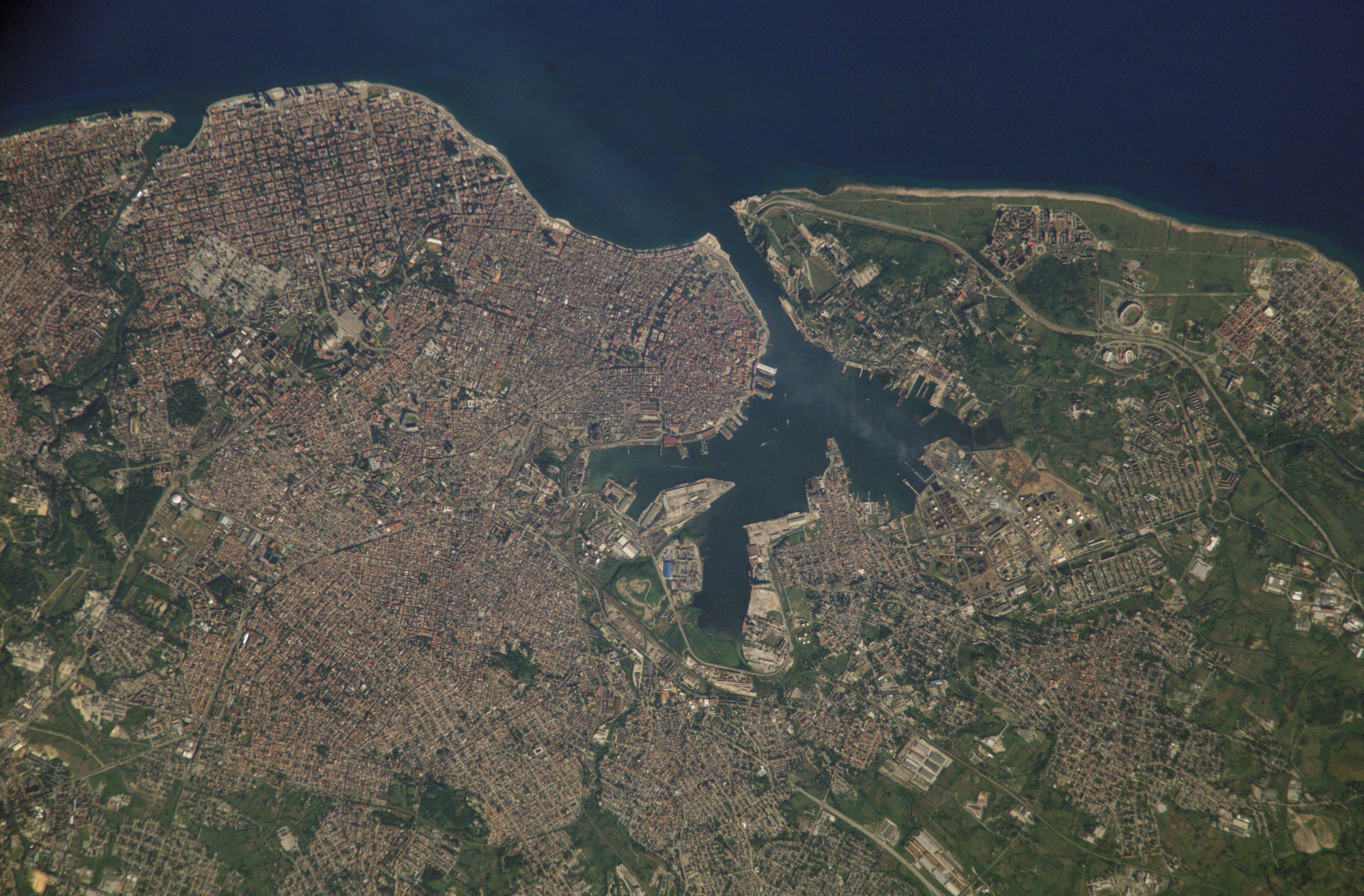
Havana (23.05N, 82.37W) sits on Cuba's northwestern coast along a deep harbor. Jose Marti International Airport (MUHA/HAV) lies 18km to the south, with two runways: 06/24 at 4,000m and 01/19 at 2,450m. Old Havana occupies the eastern side of the harbor, and the city spreads westward along the coast. From the air, the Malecon seawall traces a visible line along the waterfront. Decades of isolation have preserved distinctive early 20th century architecture across the urban landscape. Expect tropical conditions year-round: hot, humid, with a wet season from May through October. Hurricane season runs June to November, though trade winds help moderate temperatures.