Head-Smashed-In Buffalo Jump
Head-Smashed-In Buffalo Jump is one of the oldest, largest, and best-preserved buffalo kill sites in North America. For nearly 6,000 years, indigenous peoples of the northern Great Plains drove buffalo herds over these sandstone cliffs in southern Alberta, killing animals by the hundreds in single events. The bone deposits at the cliff's base are 40 feet deep - the accumulated remains of tens of thousands of buffalo, layer upon layer of death that sustained generations of Blackfoot people. The name comes from a Blackfoot legend about a young man who wanted to watch the buffalo fall and stood beneath the cliff; he was found dead, his skull crushed by falling animals. The site is a UNESCO World Heritage Site, one of the most important archaeological locations on the continent, and a testament to the sophisticated hunting cultures that existed before European contact.
The Technique
Buffalo jumps were communal hunts requiring sophisticated planning and cooperation. Hunters couldn't simply chase buffalo over a cliff; the animals were too wary and too fast. Instead, the Blackfoot created drive lanes - lines of stone cairns and people stretching miles back from the cliff edge. Runners disguised in wolf or coyote skins would start the herd moving toward the lanes. Other hunters along the lanes would guide the panicked animals toward the cliff. At the crucial moment, the lead buffalo would see the drop and try to stop - but the animals behind, unable to stop, would push them over. Hundreds could die in a single drive.
The Processing
The killing was just the beginning. Below the cliff, the butchering camp processed the carcasses. Meat was cut into strips for drying into jerky or pounded with fat and berries into pemmican, which could last for years. Hides were scraped and tanned. Bones became tools. Sinew became thread. Fat was rendered. Nothing was wasted. The processing required hundreds of people working together - women, men, and children all had roles. The bone beds at Head-Smashed-In represent not just kills but the organized labor of an entire society over millennia.
The Archaeology
Head-Smashed-In has been investigated since the 1930s. The bone deposits reach 40 feet deep in places, representing approximately 5,700 years of use. Stone tools, fire pits, and processing artifacts are mixed with the bones. Drive lane cairns extend 8 miles back from the cliff, visible across the prairie. The site provides an extraordinary record of Plains hunting culture before European contact - and evidence that sophisticated mass-hunting techniques existed for millennia before horses arrived. The 1981 UNESCO designation recognized its global significance.
The End
Buffalo jumps became obsolete when horses arrived on the Great Plains in the 1700s. Mounted hunters could kill buffalo more efficiently and selectively than jump drives allowed. The last recorded use of Head-Smashed-In was around 1850. By 1880, the great herds were gone entirely - slaughtered for hides by European hunters using rifles. The jump sites became archaeological curiosities rather than functioning kill sites. The Blackfoot, who had used Head-Smashed-In for 6,000 years, were confined to reserves. The site preserves a way of life that ended in a historical eyeblink.
Visiting Head-Smashed-In
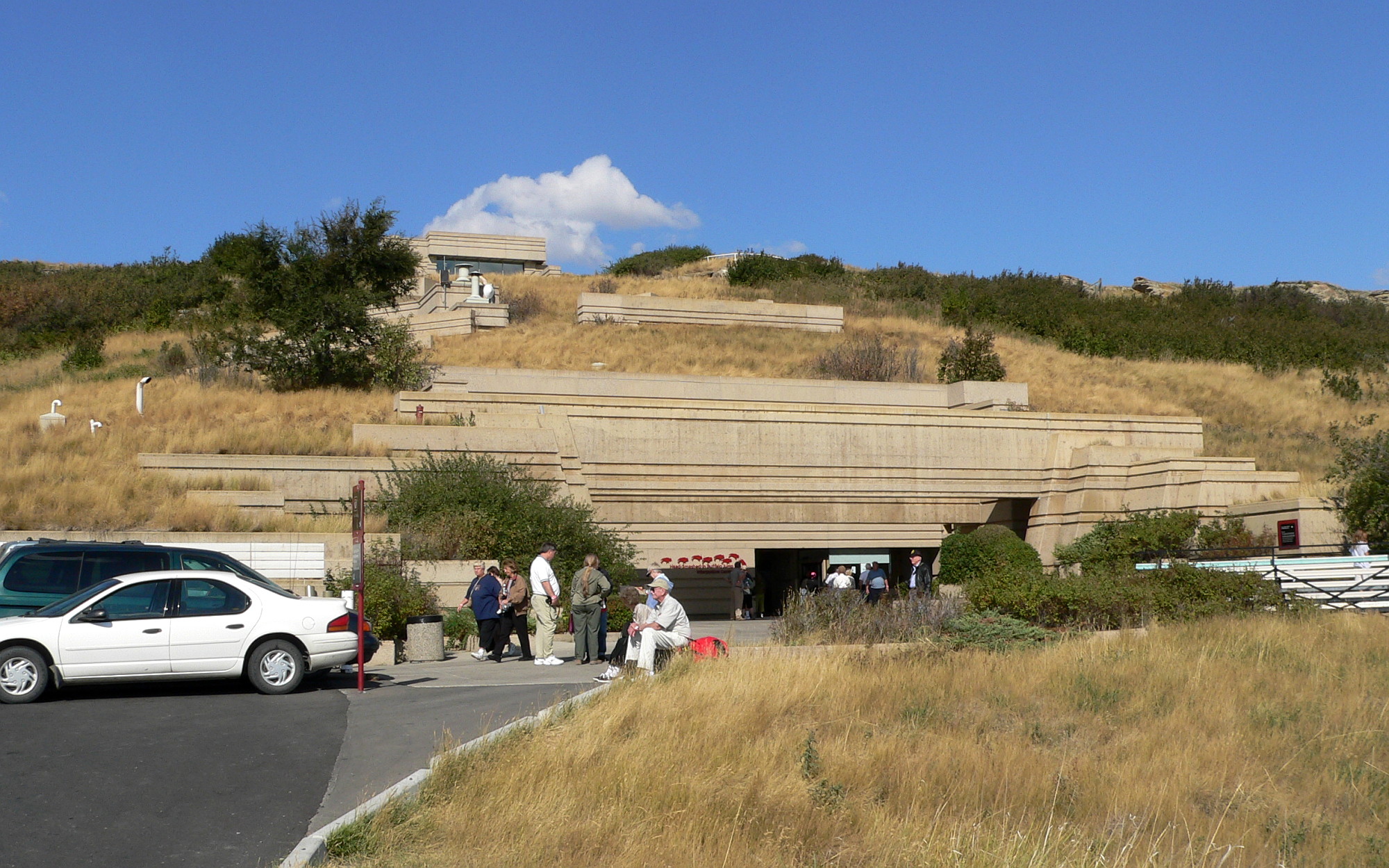
Head-Smashed-In Buffalo Jump is located 18 km northwest of Fort Macleod in southern Alberta, Canada. The interpretive center is built into the cliff face itself, preserving the landscape while providing seven levels of exhibits on Blackfoot culture and buffalo hunting. Guided tours explain the site's archaeology and significance. The cliff edge and drive lanes can be explored on trails. The site is a UNESCO World Heritage Site and Alberta Provincial Historic Site. Fort Macleod, with additional historic sites including the Northwest Mounted Police museum, is nearby. Calgary International Airport (YYC) is 165 km north. The site is open year-round but most facilities operate seasonally. Allow at least half a day.
From the Air
Located at 49.75°N, 113.63°W in the Porcupine Hills of southern Alberta, Canada, 165 km south of Calgary. From altitude, the sandstone cliff where the jump occurred is visible as a distinct escarpment running northwest-southeast. The prairie grasslands stretch east to the horizon. The drive lanes - marked by stone cairns - extend northwest from the cliff across the rolling terrain. The Rocky Mountain foothills rise to the west. The interpretive center is built into the cliff face and largely invisible from above.