Head-Smashed-In Buffalo Jump: 6,000 Years of Falling Bison
For nearly 6,000 years, Indigenous peoples of the Northern Plains drove bison herds over the cliffs at Head-Smashed-In. The hunt required weeks of preparation: gathering drive lanes marked by stone cairns, positioning runners who would guide the stampeding herd, waiting for the right wind direction. When conditions aligned, hunters in wolf skins spooked the herd toward the cliff. The lead animals couldn't stop; the press of bodies behind pushed them over. Hundreds of bison fell to the rocks below, where butchers waited. The site accumulated deposits of bone up to 11 meters deep. The name? According to Blackfoot tradition, a young man wanted to watch the buffalo fall from below. The herd was larger than expected. They found him under the pile, skull crushed. Head-Smashed-In.
The Method
Buffalo jumps required sophisticated coordination. The Blackfoot built drive lanes - lines of stone cairns extending miles from the cliff - that funneled bison toward the precipice. Runners positioned along the lanes would wave blankets, shout, and gradually turn the herd toward the cliff. The critical moment came when the lead animals approached the edge: if they sensed danger and turned, the hunt failed. Success required momentum - the animals behind pushing those ahead until the leaders couldn't stop. The fall was 10-18 meters. Those not killed by impact were finished with stone tools.
The Processing
Below the cliff lay the killing field, where hunters butchered the fallen animals. Nearby processing camps handled preservation: meat dried into pemmican, hides tanned, bones rendered for grease, sinew saved for thread, horns and hooves processed for tools. Nothing was wasted. A single successful jump could provide food for months, materials for the year. The campsite deposits at Head-Smashed-In contain artifacts from 6,000 years of continuous use, making it one of the oldest and best-preserved buffalo jump sites in North America.
The Significance
Buffalo jumps weren't just hunting sites - they were the foundation of Plains culture. The communal hunts required organization, leadership, shared labor, and distribution systems that shaped social structures. The sites held spiritual significance; ceremonies preceded and followed the hunts. When European horses arrived in the 1700s, hunting methods changed and buffalo jumps gradually fell out of use. The last known jump hunt at Head-Smashed-In occurred around 1850. By then, the commercial hide trade and later the deliberate extermination of bison had begun transforming the Plains forever.
The Site Today
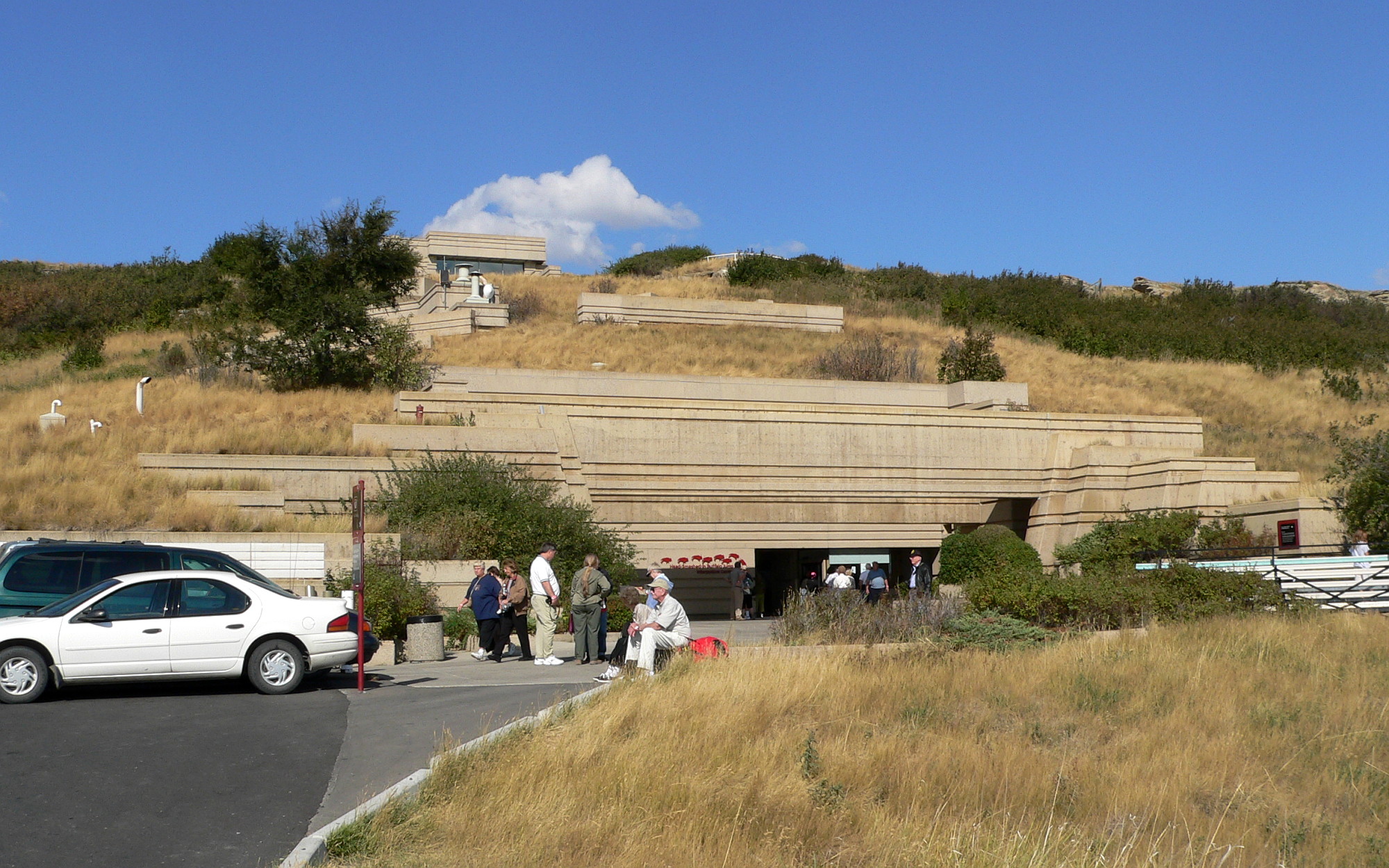
Head-Smashed-In Buffalo Jump became a UNESCO World Heritage Site in 1981, recognized for its exceptional archaeological significance. The interpretive center is built into the cliff itself, seven stories of exhibits explaining the ecology, culture, and history of the buffalo jump. The cliff edge, drive lanes, and processing areas are preserved. Blackfoot guides lead tours and share traditional knowledge. The bone deposits beneath the cliff - ten meters of compacted animal remains - remain largely unexcavated, preserving evidence of thousands of hunts for future study.
Visiting Head-Smashed-In
Head-Smashed-In Buffalo Jump is located roughly 180 kilometers south of Calgary, near Fort Macleod, Alberta. The interpretive center is open year-round; admission includes access to exhibits and the cliff-top trail overlooking the jump site. Guided tours by Blackfoot interpreters offer cultural perspective. The drive lanes and processing areas are accessible via trails; allow 2-3 hours for a thorough visit. Fort Macleod has basic services; Calgary has extensive lodging. The surrounding landscape is prairie rangeland - similar to what the Blackfoot knew, though without the vast bison herds that once dominated. Visit during summer for optimal weather and full programming.
From the Air
Located at 49.75°N, 113.62°W in southern Alberta's prairie foothills. From altitude, Head-Smashed-In appears as a distinct cliff formation at the edge of the Porcupine Hills - the escarpment visible as a line of steep terrain rising from the surrounding plains. The interpretive center is built into the cliff face. The drive lanes extend westward across the prairie, their stone cairns invisible from altitude but marking routes used for millennia. The surrounding landscape is open rangeland, similar to the bison habitat of 200 years ago. The Rockies rise to the west. This landscape once held millions of bison; the cliff at Head-Smashed-In is where cultures converged to harvest them.