Head-Smashed-In Buffalo Jump
For nearly 6,000 years, Indigenous peoples of the northern Great Plains drove buffalo herds over a sandstone cliff in what is now southern Alberta. The practice was deadly efficient: hunters would identify a herd, guide it slowly toward the cliff edge using drive lanes marked by stone cairns, then stampede the animals over the precipice. Below, butchers processed the fallen animals - meat, bones, hides, sinew, every part used. The bone deposits at the base of Head-Smashed-In are over thirty feet deep, representing countless hunts and millions of buffalo. The site is one of the oldest, largest, and best-preserved buffalo jumps in North America. Its name comes from a legend about a young Blackfoot man who wanted to watch the buffalo fall from below and was crushed by the cascade of animals. Today, the site is a UNESCO World Heritage Site, preserving evidence of an Indigenous technology that sustained Plains peoples for millennia.
The Technology
The buffalo jump was not a simple cliff drive - it was a sophisticated hunting system that required intimate knowledge of bison behavior, landscape, and communal organization. The drive lanes stretched for miles, marked by stone cairns and brush piles that guided the herd toward the cliff. Hunters dressed in animal skins would position themselves along the lanes, slowly moving the herd in the desired direction. At the critical moment, they would startle the animals into a stampede. Buffalo, with poor eyesight and following herd instinct, would plunge over the cliff before they could stop. Those that survived the fall were killed with spears and clubs. The entire community participated in the hunt and the processing that followed.
The Site
Head-Smashed-In was used because its geography was perfect for the hunt. A broad gathering basin to the west allowed hunters to collect and control herds. Natural topography channeled the animals toward the cliff. The cliff itself dropped enough to kill or cripple animals but not so much that the carcasses would be inaccessible. Processing areas below the cliff provided space for butchering. The nearby Oldman River valley offered water and winter shelter. The site's orientation, wind patterns, and approach routes all contributed to its effectiveness. Archaeological evidence shows continuous use from approximately 3700 BCE to the mid-nineteenth century, when European contact and the decline of buffalo herds ended the practice.
The Buffalo Culture
For Plains peoples, the buffalo was everything. Meat provided food. Hides became tipis, clothing, and containers. Bones became tools and weapons. Sinew served as thread and bowstrings. Horns became cups and ornaments. Dung served as fuel where wood was scarce. The buffalo hunt was not merely an economic activity but a spiritual one, surrounded by ceremony and protocol. The successful hunt required cooperation between bands that might otherwise compete. The jump itself was preceded by rituals to ensure the animals' willingness to sacrifice themselves. The culture that developed around the buffalo was destroyed in a single generation when European Americans slaughtered the herds to near extinction in the 1870s and 1880s.
The Preservation
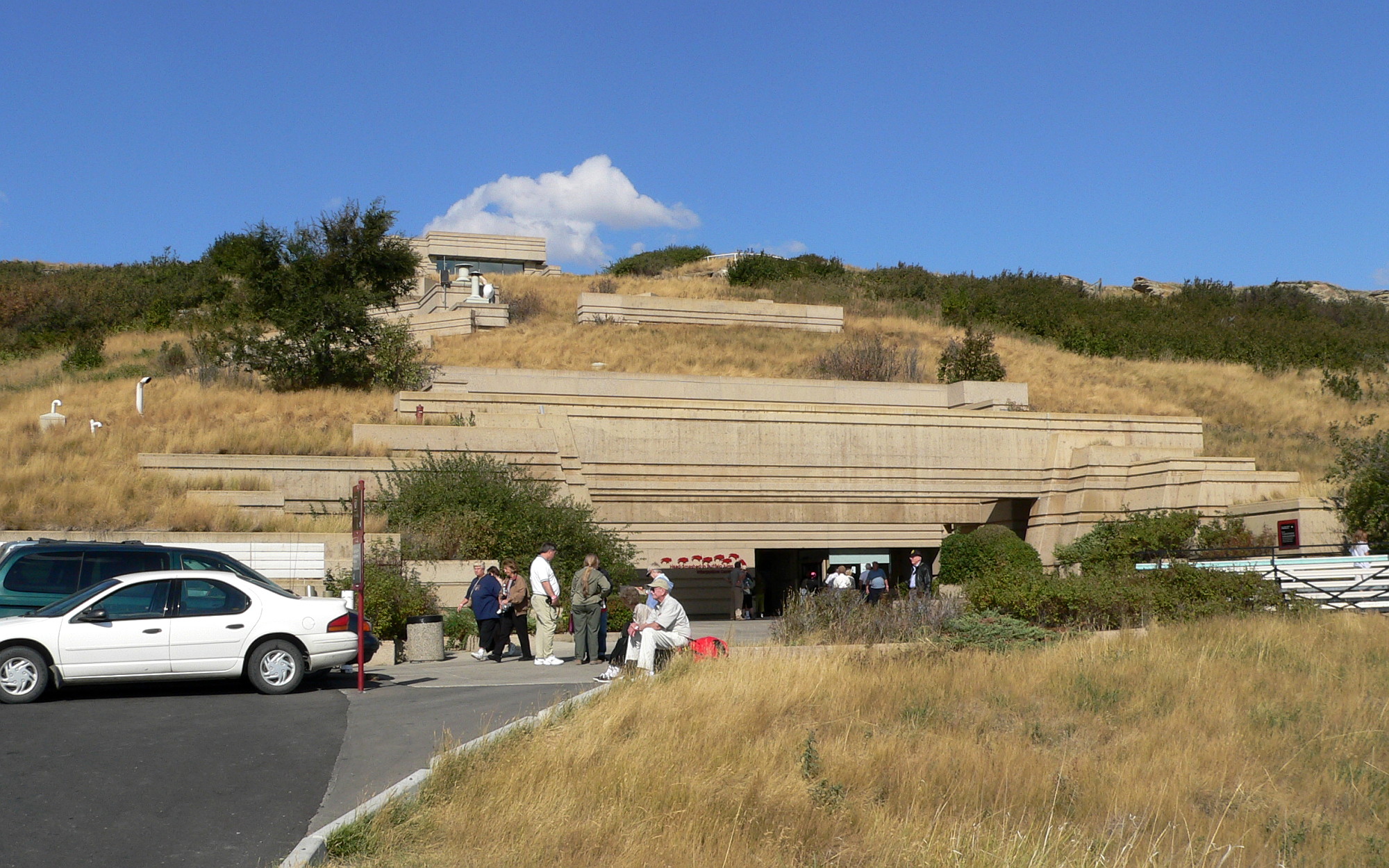
Head-Smashed-In survived relatively intact because of its remote location and the deep burial of archaeological deposits. The cliff face, drive lanes, and processing areas remain visible. The bone beds below the cliff contain the remains of thousands of animals and countless artifacts - projectile points, stone tools, and the evidence of 6,000 years of hunts. In 1981, UNESCO designated the site a World Heritage Site, recognizing its 'outstanding universal value' as evidence of Indigenous hunting traditions. The interpretive center, built into the cliff to minimize visual impact, was designed in consultation with Blackfoot communities who retain cultural connections to the site.
Visiting Head-Smashed-In
Head-Smashed-In Buffalo Jump is located in the Porcupine Hills of southern Alberta, about 18 kilometers northwest of Fort Macleod and 150 kilometers south of Calgary. The interpretive center, built into the sandstone cliff, tells the story of the buffalo jump through exhibits, films, and Blackfoot cultural interpretation. Walking trails lead to the cliff edge and along the drive lanes where stone cairns still mark the ancient paths. The view from the cliff encompasses the vast prairie where herds once gathered. Guided tours offer deeper understanding of the site's cultural significance. The site is open year-round, though winter access may be limited. Calgary International Airport (YYC) is the nearest major airport. The experience is humbling - standing where thousands of hunts occurred, overlooking the landscape that Indigenous peoples read like a book for millennia.
From the Air
Located at 49.75°N, 113.62°W in the Porcupine Hills of southern Alberta, about 150 kilometers south of Calgary. From altitude, the cliff face is visible as a distinct escarpment running north-south, with the gathering basin and drive lanes spreading to the west. The interpretive center is built into the cliff and difficult to spot. The prairie extends in all directions; the Rocky Mountains are visible to the west.