Henan Museum
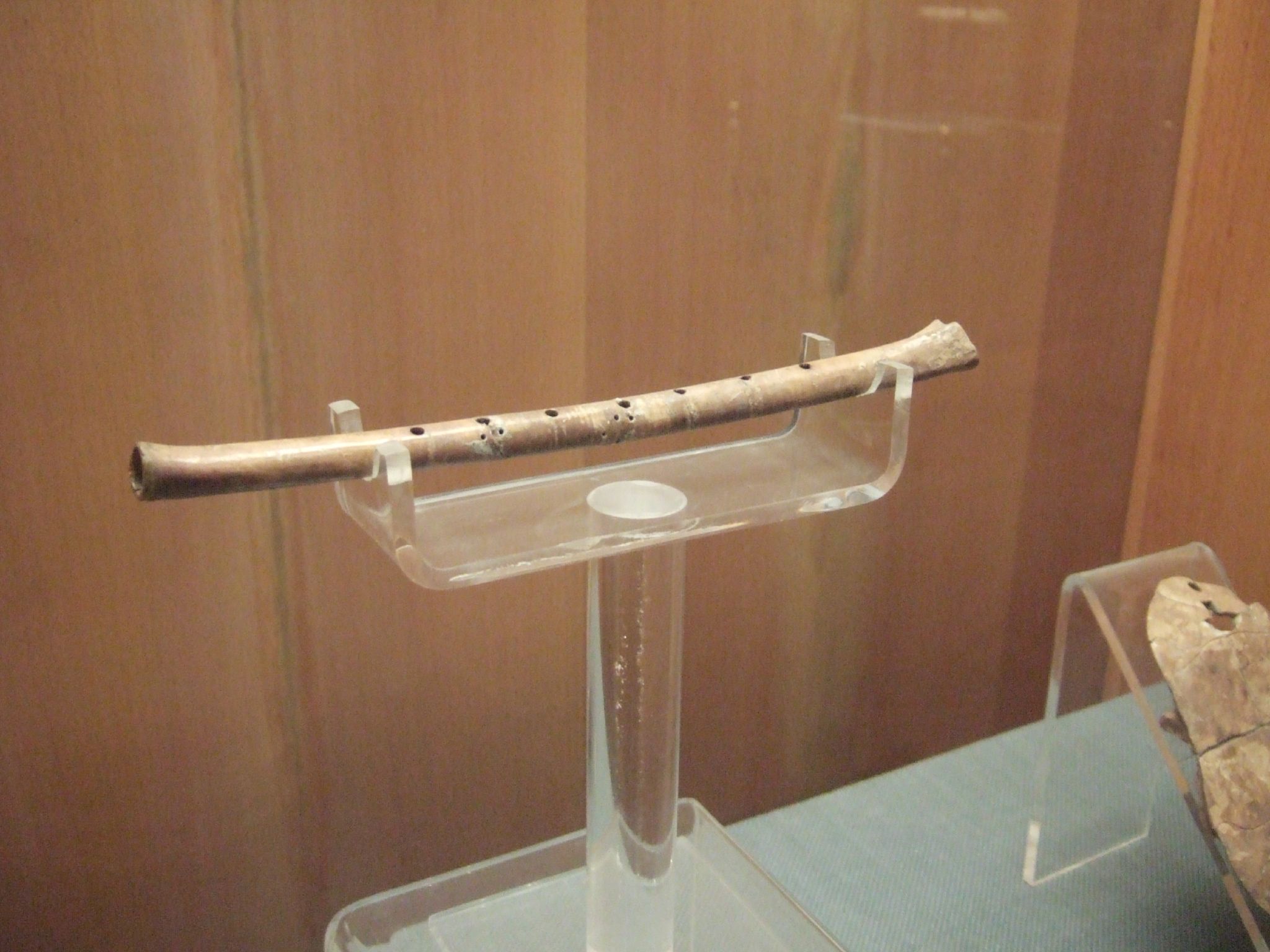
Inside the Henan Museum sits a bone flute unearthed from the Neolithic site of Jiahu. It is roughly 9,000 years old -- one of the oldest playable musical instruments ever discovered -- and it still produces sound. The flute is one of more than 130,000 artifacts housed in this pyramid-shaped building in central Zhengzhou, a collection that traces human presence in the Yellow River valley from the Paleolithic era through the modern age. But the museum's own story is nearly as compelling as anything in its display cases: a tale of war, displacement, and cultural survival that mirrors the turbulence of 20th-century China.
Born in a Warlord's Proclamation
The museum owes its existence to General Feng Yuxiang, the warlord-turned-revolutionary who controlled Henan in the late 1920s. In June 1927, Feng declared that "education is the essential politics for a country" and ordered a museum established in Kaifeng, then the provincial capital. The founding committee took over a former law school on Kaifeng Court West Street, and the institution was born. The name changed repeatedly in its early years -- from Henan Museum to National Museum in 1928, then back to Henan Museum in 1930 -- reflecting the political instability of the era. But between 1930 and 1937, under the leadership of researcher Guan Baiyi, the museum amassed a collection that made it famous both domestically and internationally, with a sharp focus on the archaeological treasures of Henan's deep past.
Sixty-Eight Boxes to Chongqing
When the Marco Polo Bridge Incident erupted in 1937 and Japan formally invaded China, the museum was forced to close. Staff packed 68 boxes of the most important cultural relics and shipped them to Chongqing, the Republic of China's wartime capital in the southwest. They were not alone; hundreds of crates from Beijing's Palace Museum made the same journey. The Japanese occupation government reopened the museum in 1940 under their administration, but the most valuable pieces were safely beyond their reach. After Japan's defeat, the Kuomintang government resumed control -- and then, as civil war engulfed the country, many of the museum's finest artifacts were boxed up once more and sent to Taiwan, where they became part of the National Museum of History in Taipei. The collection that had been assembled with such care was scattered across a divided nation.
A Pyramid on Nongye Road
In 1961, when the provincial capital moved from Kaifeng to Zhengzhou, the museum followed. But it was not until 1997 that the institution received the building it deserved. The new Henan Museum, located on Nongye (Agriculture) Road in central Zhengzhou, is dominated by a main building shaped like a pyramid -- a deliberate design choice that echoes the ancient burial mounds and monumental architecture of central China. The structure occupies more than 100,000 square feet, with 78,000 square feet of floor space. Among the more than 5,000 first- and second-grade treasures on display, the prehistoric artifacts and the Shang and Zhou dynasty bronze vessels stand out. The Fuhao owl-shaped bronze zun, a ritual wine vessel from the tomb of Lady Fu Hao, is among the most photographed objects in the collection. Traditional musical performances are staged regularly in the galleries, connecting the ancient instruments on display to living artistic traditions.
Where Dynasties Converge
What makes the Henan Museum exceptional is not just the quality of its individual pieces but the depth of the timeline they represent. Henan province sits at the geographic and historical heart of Chinese civilization. The Yellow River valley was where agriculture first took hold, where the earliest Chinese states emerged, where dynasties rose and fell across four millennia. The museum's collection reflects this: Neolithic pottery from the Yangshao culture, bronze ritual vessels from the Shang, ceramics from the Song dynasty kilns that revolutionized porcelain production. Each room covers centuries. Each display case contains objects that were already ancient when Europe's medieval cathedrals were built. The bone flute from Jiahu, quietly resting in its climate-controlled case, predates the Egyptian pyramids by more than four thousand years.
From the Air
Located at 34.79°N, 113.67°E on Nongye Road in central Zhengzhou. The pyramid-shaped main building may be identifiable from lower altitudes. The museum sits in the northern part of the city, approximately 4 km north of Zhengzhou railway station. Zhengzhou Xinzheng International Airport (ICAO: ZHCC) is 37 km to the southeast.