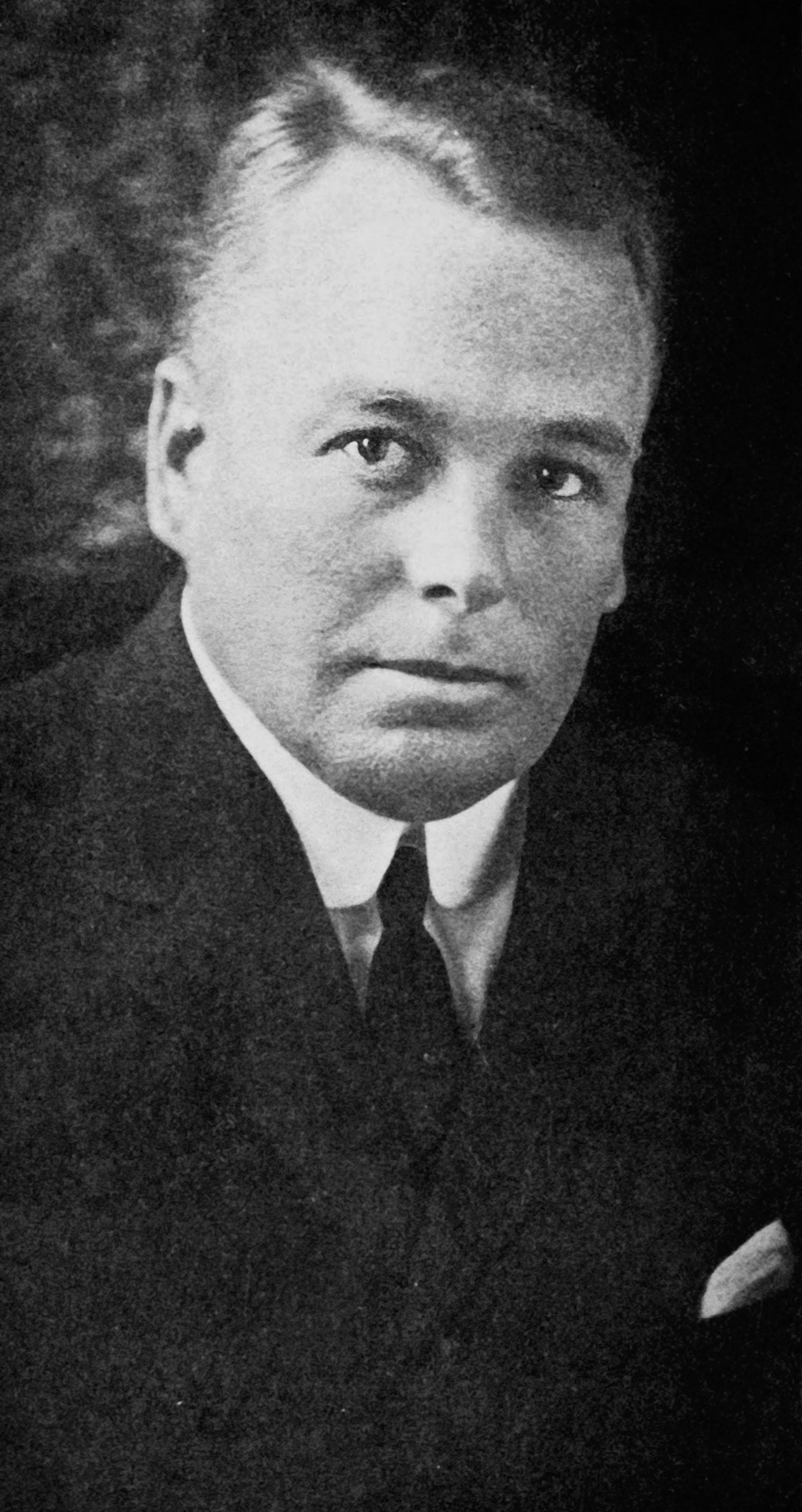
Henry Perrine Baldwin
He lost his right arm to the machinery of a sugar mill, and then he built something harder than most engineers attempt with two. Henry Perrine Baldwin, born in 1842 in the whaling port of Lahaina to a New England missionary father, never intended to become a sugar baron. He wanted to be a doctor. But the sugarcane fields of Maui had a way of absorbing ambition, and by the time Baldwin realized he would never leave the industry, he was already deep in debt, farming 559 acres of dry central Maui with his partner Samuel Thomas Alexander, and praying -- literally kneeling in the parched red dirt -- for rain.
Water Across the Canyons
The problem with central Maui was water. The eastern slopes caught the trade winds and their moisture, while the western fields baked under relentless sun. The Reciprocity Treaty of 1875 had opened the American market to Hawaiian sugar, but without irrigation, Baldwin and Alexander's fields would produce nothing worth exporting. So Baldwin, with no engineering training and one arm, supervised the construction of a 17-mile system of ditches, sluices, and siphons that would carry water from the wet windward valleys across some of Maui's steepest gulches. He lowered himself into those canyons daily, directing workers who doubted that water forced downhill through a pipe could rise again on the other side. The rival sugar king Claus Spreckels held a competing lease, and unless Baldwin finished by September 30, 1878, the water rights would go to Spreckels. Water began flowing in July 1877, and the system was completed on time. The idea proved so effective that engineer Michael O'Shaughnessy later adapted its principles for San Francisco's Hetch Hetchy Aqueduct.
Empire of Cane and Iron
The irrigation transformed Baldwin and Alexander from struggling farmers into the architects of an agricultural empire. Mills multiplied: Hamakuapoko in 1877, Paia in 1880. The Kahului Railroad began hauling sugar to port in 1881. When Alexander moved to Oakland in 1882, Baldwin stayed on Maui, managing plantations, buying shares, and methodically absorbing competitors. Spreckels, who had brought German engineer Hermann Schussler to build a rival system, eventually sold out in 1898. Baldwin merged the Haiku and Paia sugar companies into the Hawaiian Commercial and Sugar Company, managing it personally from 1902 to 1906. Alexander & Baldwin grew into one of the Big Five corporations that would dominate Hawaii's territorial economy for the better part of a century. In 1888, Baldwin helped form the 33,817-acre Haleakala Ranch on the slopes of the dormant volcano, land that today still operates for tourism.
A Complicated Legacy in the Kingdom
Baldwin was not merely a businessman. After the 1887 Constitution raised the property requirements for voters, he served in the Kingdom House of Nobles from 1887 to 1892 and later in the Senate of the Republic and Territory of Hawaii. He used his own wealth to fund better housing at the Kalaupapa Leprosy Settlement on Molokai and introduced a bill to outlaw child labor for those under thirteen -- though it was defeated. He belonged to the Reform Party, which opposed King Kalakaua, yet he never expressed support for the overthrow of the Hawaiian monarchy in 1893. In 1902, he gave the nominating speech for Prince Jonah Kuhio Kalanianaole as Congressional delegate. His politics, like his life, resisted simple categories: missionary son and sugar magnate, political reformer and beneficiary of the plantation system that would reshape Hawaii's demographics and culture in ways still debated today.
The Roots That Hold
Baldwin died on July 8, 1911, a few days after returning from California. His children -- Frank, who became president of HC&S; William, who became a physician; Samuel, a champion polo player who managed the family ranch -- carried the enterprise forward. Frank combined HC&S with the Maui Agricultural Company in 1948, creating a 25,454-acre operation. The Baldwin name endures across Maui: a high school in Wailuku, a beach park on the north shore, a memorial church in Makawao built of concrete and stone veneer in 1916. The family owned the Maui News until 2000. The former superintendent's residence of the Puunene sugar mill is now the Alexander & Baldwin Sugar Museum. In 1910, the family established the Fred Baldwin Memorial Foundation in honor of a son who died young, a fund that has supported the Maui community for over a century. The East Maui Irrigation System that Baldwin clawed into existence with one arm was declared a Historic Civil Engineering Landmark in 2002.
From the Air
Henry Perrine Baldwin's legacy centers on central Maui, near Wailuku at approximately 20.89°N, 156.35°W. From the air, the former sugarcane fields of the central isthmus are visible between Haleakala and the West Maui Mountains. The Hamakua Ditch system runs along the northeastern slopes. H.A. Baldwin Beach Park is visible on the north shore between Spreckelsville and Paia. Nearest airport: Kahului Airport (PHOG), directly adjacent to the central plain. Best viewed at 3,000-5,000 feet AGL for the full extent of the irrigation landscape.