Herat
A century before the Italian Renaissance began in Florence, Herat had already led its own. Under Queen Gowhar Shad and the Timurid dynasty in the 15th century, this Afghan city became one of the world's great centers of art, architecture, and Persian literature. Painters at the Herat school of miniatures produced work still considered the apex of the Persian tradition. The poet Jami held court here. Mosques and madrasas rose in glazed tilework. None of this was the city's beginning, and none of it was the end. Herat has been founded, conquered, leveled, and rebuilt so many times across 2,500 years that the cycle itself became the story -- destruction and renewal as a kind of municipal habit.
Twenty-Five Centuries of Conquest
The site of Herat has been occupied since at least the Achaemenid period, when the area was known as Aria and the settlement as Artacoana. Alexander the Great captured it in 330 BCE and built a citadel. The city changed hands with each empire that swept through Central Asia -- Seleucids, Parthians, Sassanids, Arab conquerors who brought Islam in the seventh century. The Ghurids laid the foundation of the Great Friday Mosque in 1200 CE, a structure that still stands and still functions after more than eight centuries of use. When the Mongols arrived in 1221, they besieged Herat. The city surrendered, but a subsequent revolt provoked catastrophic retaliation -- the Mongols destroyed the population and the irrigation canals that sustained the region. Yet Herat rebuilt. The Kart dynasty restored canals, walls, and the mosque. Then Tamerlane conquered the city in 1381, absorbing it into the Timurid Empire.
The Renaissance Before the Renaissance
What followed Tamerlane's conquest was unexpected. His successors, particularly his son Shah Rukh and Shah Rukh's wife Gowhar Shad, transformed Herat into a cultural capital. In 1405, Shah Rukh moved the Timurid seat of power from Samarkand to Herat. She commissioned mosques, patronized poets and philosophers, and elevated Persian language and culture to the center of Timurid identity. The Herat school of miniature painting flourished under this patronage, producing manuscript illustrations of extraordinary detail and color. The poet Jami, scholars, and calligraphers gathered at court. For much of the 15th century, Herat rivaled any city in the world for artistic and intellectual output. The remains of this era survive in the Musalla Complex and the tomb of Gowhar Shad, though much has been lost to subsequent centuries of conflict.
The Citadel and the Friday Mosque
Two structures anchor Herat's sense of itself. The Citadel of Herat -- Qala Iktyaruddin -- has been destroyed and rebuilt multiple times, most recently restored with international assistance in the 2000s. It houses a museum inside its massive walls. The Great Friday Mosque, founded by the Ghurids in 1200 and expanded by every ruling dynasty since, is one of Afghanistan's most important religious buildings. Its courtyard stretches wide enough to hold thousands. The tilework on its facades and minarets reflects contributions from Kartid, Timurid, Mughal, and Uzbek patrons across eight centuries. Near the mosque, antique shops sell old coins, traditional jewelry, and tea pots. A silk bazaar operates nearby, where weavers work at looms and bargain with buyers over scarves and cloth.
War and Defiance
Herat's modern history has been shaped by decades of conflict. In 1979, demonstrations against Afghanistan's communist government erupted here, triggering events that helped provoke the Soviet invasion. When government forces fired on protesters, young officers distributed weapons from a military armory. The violence that followed killed both Afghan officials and Soviet advisors, bringing retaliatory bombing that killed thousands -- estimates range from 3,000 to 25,000 people. From that upheaval emerged Ismail Khan, who became the region's primary mujahideen commander. He governed Herat after the Soviet withdrawal in 1989, oversaw development projects, resisted the Taliban until they captured and imprisoned him in the mid-1990s, escaped to Iran, and returned to liberate the city after the American-led invasion in 2001. His forces reached Herat before coalition troops reached Kabul.
Diamond of Asia
Herats call their city Nagin-e Asiya -- the Diamond of Asia. The name reflects pride rather than current circumstances. Afghanistan's third-largest city remains shaped by conflict and instability. But the bones of something extraordinary persist. The subterranean hammams still operate. The Friday Mosque still calls the faithful to prayer. The Hari Rud river still waters the surrounding agricultural plain, one of the most productive in Afghanistan. Chaikanas serve cheap local food. The road to Chisht-i-Sharif, 177 kilometers away, leads across a plateau to two mysterious domed buildings in an extensive graveyard -- structures whose original purpose scholars still debate. Herat has always been a city that invites argument, interpretation, and return.
From the Air
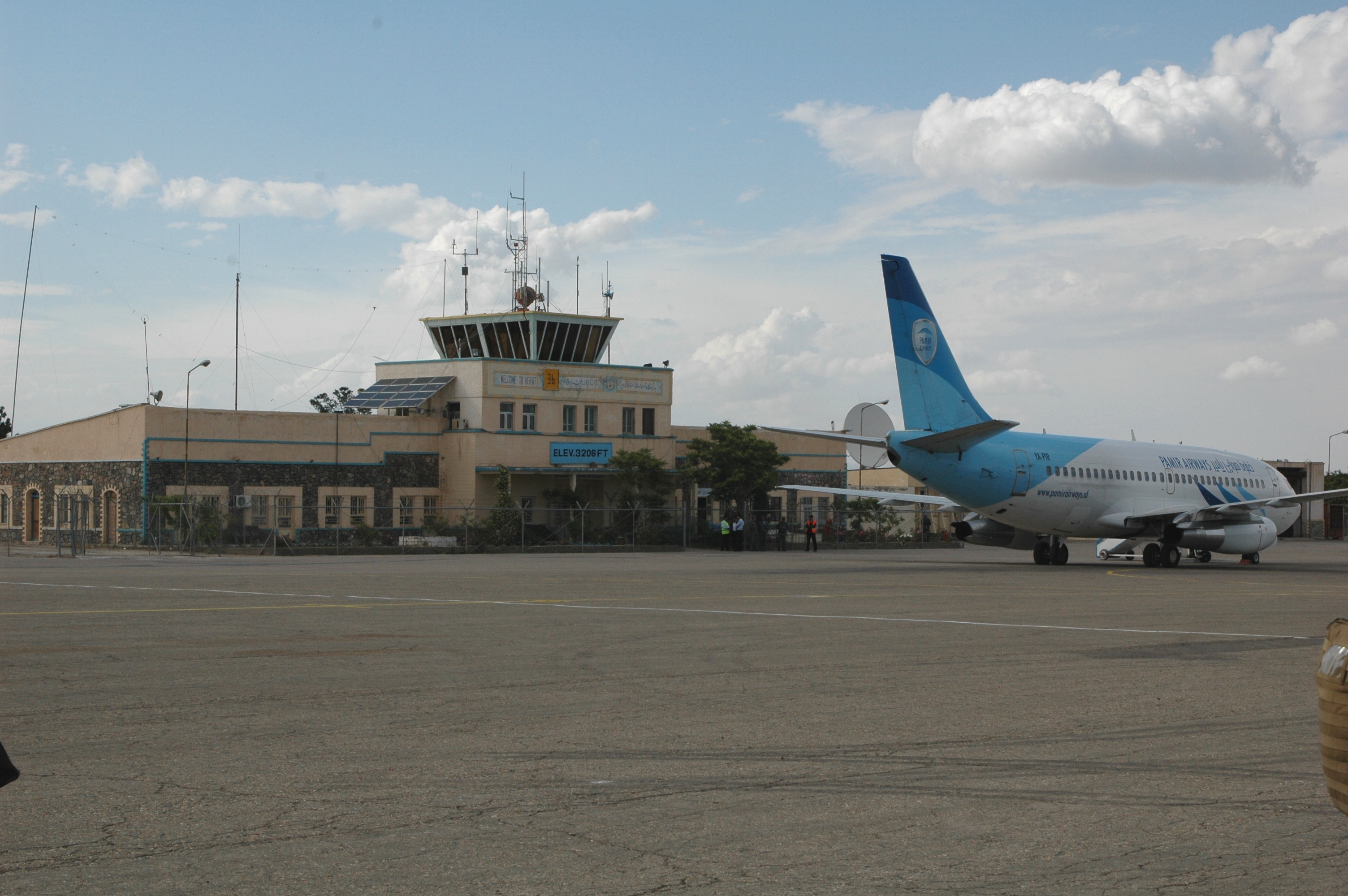
Located at 34.34N, 62.20E in western Afghanistan, close to the Iranian border. Herat sits in the Hari Rud river valley at approximately 920 meters elevation, surrounded by agricultural plains. Herat International Airport (OAHR), also known as Khwaja Abdullah Ansari International Airport, is located about 10 km southeast of the city center. The citadel and Friday Mosque are in the old city center. The road to Kandahar runs south, while the highway to Mashhad, Iran runs west toward the border. Mountains are visible to the south and east. Best viewed at 5,000-8,000 feet AGL for city layout and river valley context.