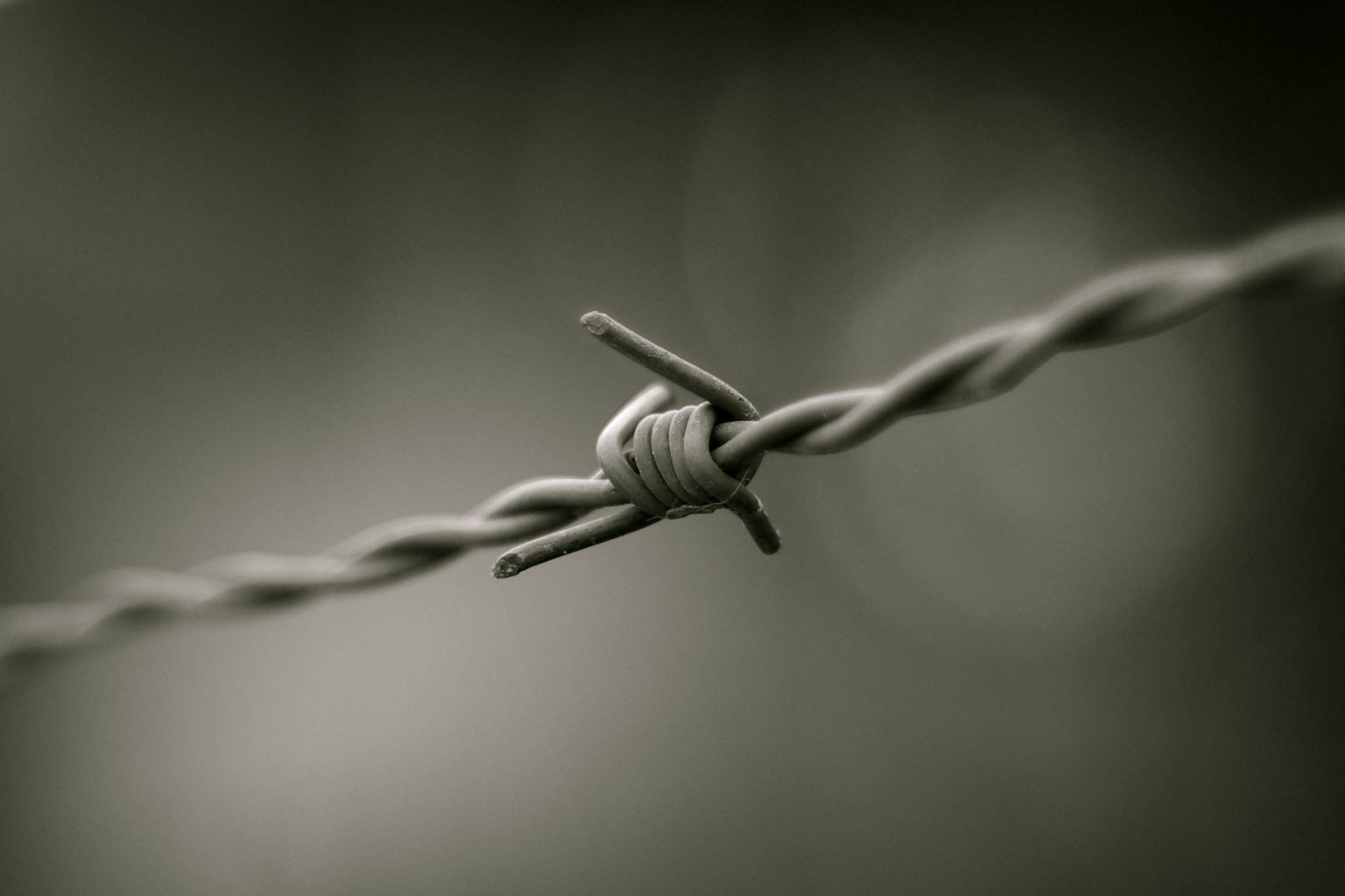
Herzogenbusch Concentration Camp
Five hundred prisoners were found dead in piles near the gates, executed that very morning. Five hundred more waited inside, scheduled to die that afternoon. On October 26, 1944, soldiers of the 7th Black Watch arrived at Herzogenbusch just in time. This concentration camp in Vught, near 's-Hertogenbosch, held 31,000 prisoners during its operation. Of those, 749 died within its walls, but the true horror lay in what it represented: a transit point to Auschwitz and other death camps, where the journey always ended the same way.
A System of Transit
Nazi Germany occupied the Netherlands from 1940 to 1945, and the machinery of the Holocaust quickly reached Dutch soil. By 1942, Jewish and other prisoners were being transported through Amersfoort and Westerbork transit camps, most bound for Auschwitz, with 850 sent to Mauthausen. But these facilities could not handle the numbers the Nazis intended to process. The SS decided to build a dedicated concentration camp at Vught, naming it Herzogenbusch after the German name for 's-Hertogenbosch. Construction began in 1942, and by 1943 the camp was operational. Here, prisoners would be held, sorted, and shipped east to their deaths. The camp was not primarily an extermination facility, but it fed the machinery that was.
The Bunker Tragedy
The camp's first commander, Karl Chmielewski, ran Herzogenbusch with brutal incompetence. Prisoners received no meals, the sick went untreated, and drinking water was barely potable. He was eventually removed in 1943, not for his cruelty but for stealing from the camp. His replacement, Adam Grunewald, imposed even stricter rules. In January 1944, Grunewald ordered a group of female prisoners confined to a single cell. Ten women died overnight in what became known as the Bunker Tragedy. When news leaked to the press, the SS brought Grunewald before their own court. He received three and a half years for excessive cruelty, but was pardoned after serving just one month. Stripped of rank, he was sent to the Eastern front as a common soldier, where he died in combat in January 1945.
Witnesses Who Survived
Corrie ten Boom and her sister Betsie arrived at Herzogenbusch after four months in Scheveningen prison. Their crime was sheltering Jews in their Haarlem home. At the camp, Corrie was assigned to build radios in a nearby aircraft factory under a sympathetic foreman. Just before liberation, both sisters were transferred to Ravensbruck, where Betsie died. Corrie survived to write The Hiding Place in 1971, bearing witness to what she had seen. Her story became one of the most widely read accounts of Dutch resistance to the Nazi occupation. The ten Booms represented thousands who risked everything to protect their neighbors, and the camps where they were punished for that courage.
Liberation and Memory
Scottish troops of the 7th Black Watch liberated Herzogenbusch on October 26, 1944, during Operation Pheasant. They fought through a rear guard of SS personnel defending the nearly evacuated facility. Inside, they found 500 to 600 prisoners who had been scheduled for execution that afternoon. The Eindhoven airfield fire service, unaware that the camp held prisoners, had failed to respond promptly to the situation. The tragedy of those final hours, the bodies piled at the gates, the survivors who had come within hours of death, became seared into Dutch memory. After the war, the camp was used to detain Germans, Dutch SS members, and collaborators. Today, a national monument and memorial center stands at the site, ensuring that the 31,000 who passed through its gates are not forgotten.
From the Air
Herzogenbusch concentration camp (now known as Nationaal Monument Kamp Vught) is located at 51.67N, 5.26E near Vught, North Brabant. The memorial site is visible from the air as a preserved compound south of 's-Hertogenbosch. Best viewed at 2,000-3,000 feet. Eindhoven Airport (EHEH) is approximately 25 km to the southeast. The surrounding landscape of forests and fields gives little indication of the site's history from altitude.