High Desert Museum
The walls are built from volcanic rock. That detail tells you everything about this museum's philosophy. When Donald M. Kerr founded the High Desert Museum in 1982, he insisted the building itself emerge from the landscape it would interpret. Portland architects designed a structure with slate floors and walls of local basalt, nestled among 135 acres of ponderosa pine forest south of Bend. The approach worked. Four decades later, this Smithsonian Affiliate institution draws 170,000 visitors annually who come not to peer at dioramas behind glass but to walk through living history and encounter wildlife in habitats designed to erase the boundary between exhibit and environment.
Where the Stagecoach Stops
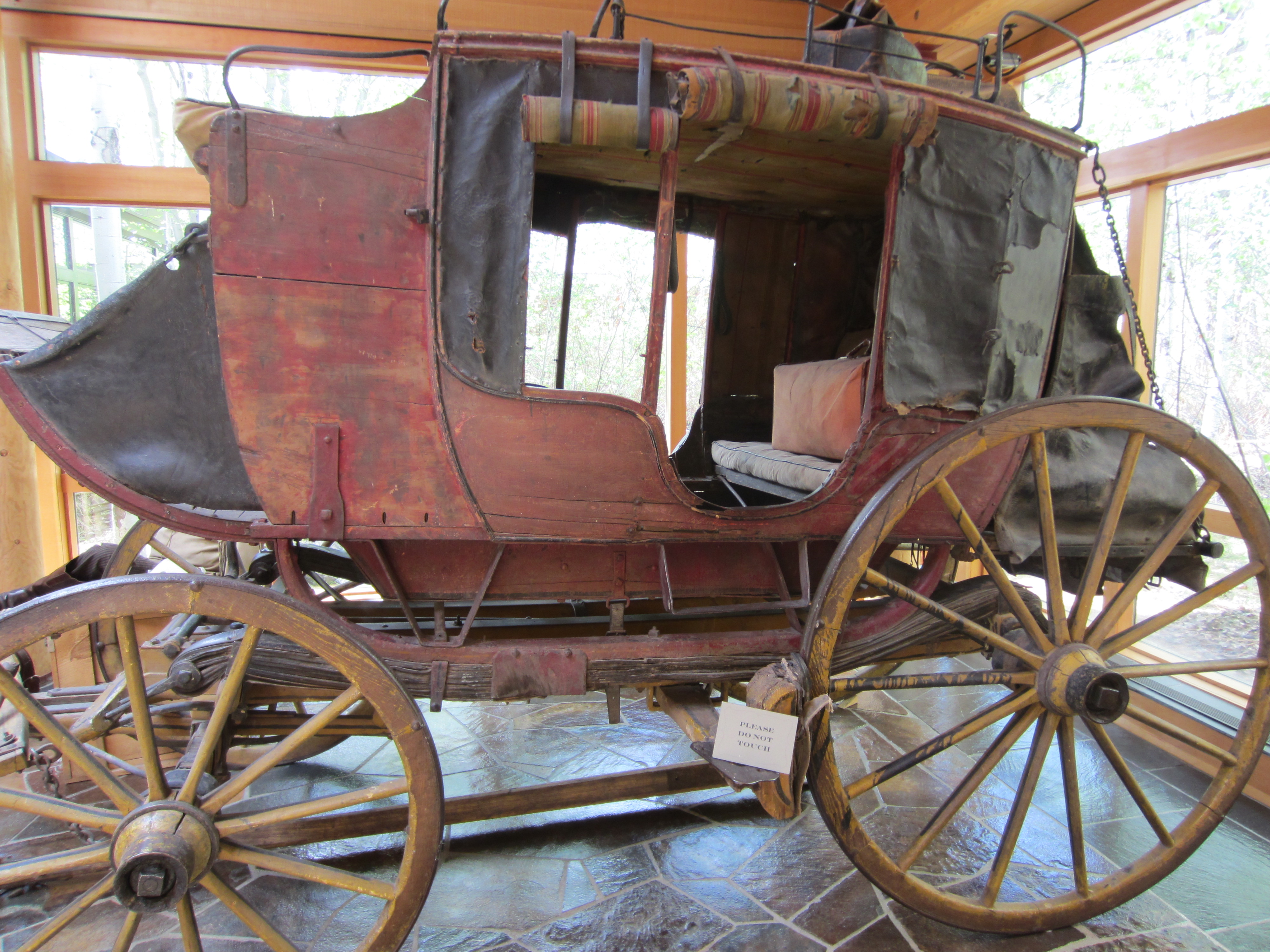
The museum's Hall of Exploration and Settlement does something audacious: it recreates a hundred years of high desert history as a journey visitors physically walk through. You start at a trapper's camp, move through a survey party's encampment, join a pioneer wagon train, stake a mining claim, and end up in an early Western boomtown complete with blacksmith shop, Chinese mercantile, and stagecoach stop. A vintage Forest Service fire truck stands ready nearby. The effect is less museum, more time travel. The collection numbers over 18,500 artifacts, including works by Edward Curtis, Charles Marion Russell, and Edward Borein, artists who documented the American West as it transformed from frontier to memory.
The Henry J. Casey Hall
The museum's Native American exhibits refuse the past tense. The Henry J. Casey Hall of Plateau Indians traces life on the land before European contact, life on reservations, and the continuing story of tribal nations today. One exhibit showcases horse tack used for the Pendleton Round-Up, a display of craftsmanship remarkable for both beauty and cultural significance. These are not relics frozen in time but evidence of living traditions that evolved with circumstances while maintaining connection to ancestral knowledge. The approach reflects the museum's founding vision: understanding requires engagement, not just observation.
Through the Desertarium
Beyond the Collins Gallery, visitors pass through an indoor desertarium where living desert animals demonstrate adaptation to arid conditions. The exit leads to the Donald M. Kerr Birds of Prey Center, where raptors that cannot survive in the wild find permanent homes as education ambassadors. A quarter-mile trail then winds through the forest following a stream lined with aspens and ponderosa pines. Along this path, outdoor exhibits and animal habitats sprawl across 23 acres, featuring creatures from the high desert ecosystem in settings that replicate their natural environments. The boundary between zoo and nature preserve deliberately blurs.
Recognition and Mission
In 2017, the High Desert Museum became one of only three Smithsonian Affiliate institutions in Oregon, joining the Evergreen Aviation and Space Museum in McMinnville and the Rice Northwest Museum of Rocks and Minerals in Hillsboro. The designation grants access to Smithsonian collections and traveling exhibits. In 2021, the museum received the National Medal for Museum and Library Service. As of September 2025, it holds accreditation from the Association of Zoos and Aquariums. These recognitions validate what visitors discover for themselves: this museum does not simply display the high desert. It brings the region's wildlife, culture, art, and natural resources together to illuminate how landscape shapes life and how understanding that relationship shapes us.
From the Air
High Desert Museum is located at 43.97N, 121.34W, approximately 7 miles south of Bend, Oregon along US-97. The facility occupies 135 acres of forested land visible from the highway corridor. Look for the distinctive volcanic rock architecture amid ponderosa pine forest. Nearby airports: KBDN (Bend Municipal) 7nm north, KRDM (Redmond Municipal) 20nm north. The museum lies at approximately 4,200 feet elevation in the rain shadow of the Cascade Range.