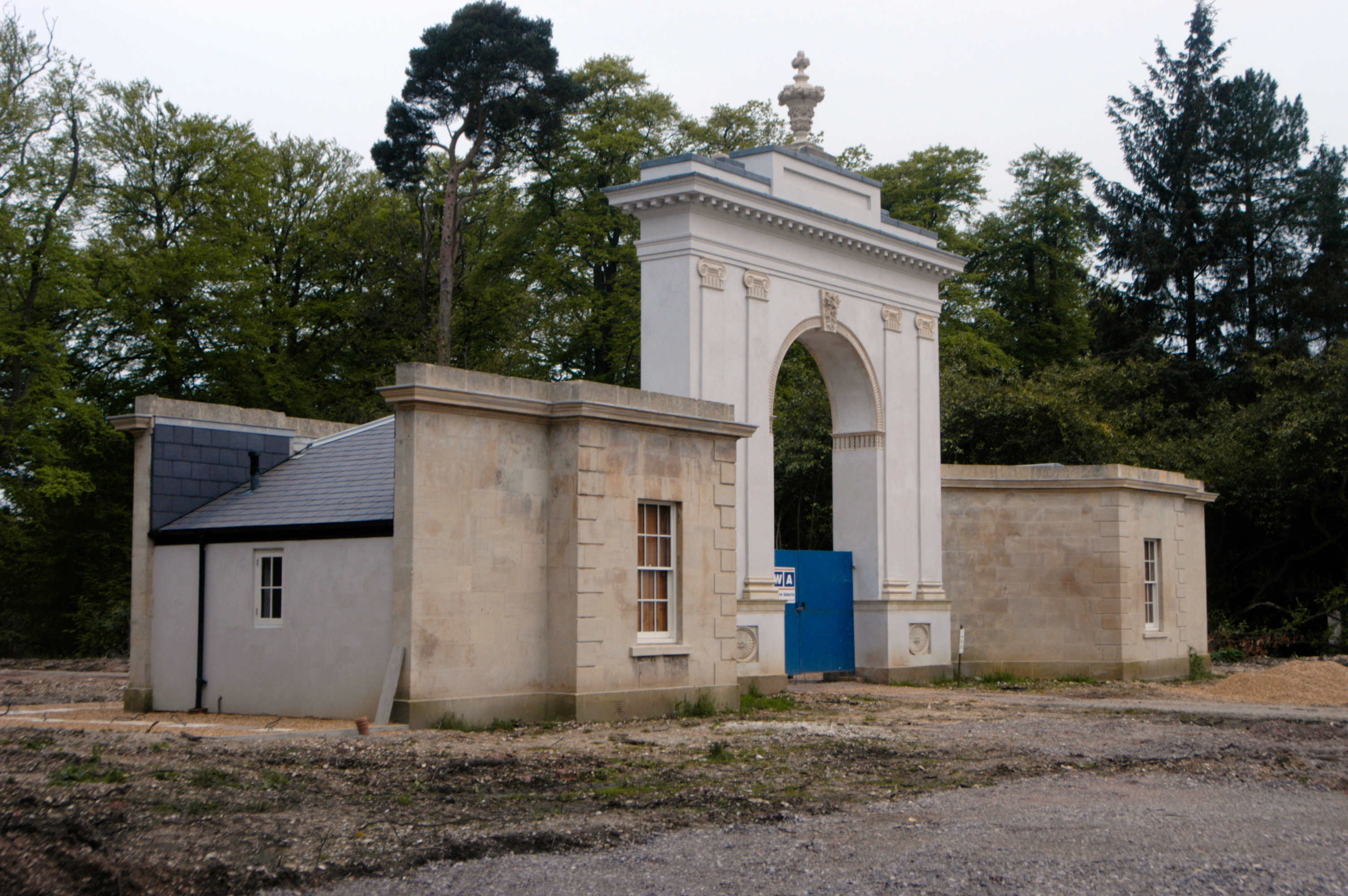
Highclere Castle
On 26 November 1922, Howard Carter peered through a hole chipped in a sealed doorway deep inside Egypt's Valley of the Kings and saw "wonderful things" -- the treasures of Tutankhamun, untouched for over three thousand years. Standing beside him was the 5th Earl of Carnarvon, whose family seat was Highclere Castle in Hampshire and whose money had funded the excavation. Five months later, the Earl was dead from an infected mosquito bite, and the world's newspapers had a story they liked even better than ancient gold: the Curse of the Pharaohs.
From Bishops to Earls
The site has been occupied since at least the Domesday Book of 1086, when it was recorded as a possession of the Bishops of Winchester. In the late 14th century, Bishop William of Wykeham built a medieval palace in the park. The estate passed through several hands before the Herbert family acquired it, eventually becoming the seat of the Earls of Carnarvon. The house standing today was built in 1679 and largely renovated in the 1840s by architect Charles Barry -- the same Barry who designed the Houses of Parliament -- in a flamboyant Jacobethan and Italianate style. The park surrounding the house was designed by Capability Brown in the 18th century, its 5,000 acres of rolling Hampshire downland arranged into the idealized English landscape that Brown perfected across dozens of country estates.
The Egyptian Connection
George Edward Stanhope Molyneux Herbert, 5th Earl of Carnarvon, was a wealthy and restless aristocrat whose poor health sent him to Egypt for the warmth. There he developed a passion for Egyptology, funding excavations that culminated in the most famous archaeological discovery of the 20th century. Carter and Carnarvon had been searching the Valley of the Kings for years when they finally found the intact tomb of the boy pharaoh Tutankhamun in November 1922. The Earl died in Cairo on 5 April 1923 from blood poisoning after a mosquito bite became infected -- a death the press gleefully attributed to a pharaoh's curse. At Highclere, his collection of Egyptian antiquities is displayed in the castle's basement exhibition, housed in cellars that were once used as a wine store.
Downton Abbey
Highclere Castle achieved global fame as the primary filming location for Downton Abbey, the ITV historical drama that ran from 2010 to 2015 and spawned three feature films. The castle's grand exterior and opulent interiors -- the saloon with its soaring ceiling, the library where Lord Grantham brooded, the sweeping staircase -- became some of the most recognized rooms in television history. The show's creator, Julian Fellowes, has said that Highclere itself partly inspired the series. The filming brought enormous public attention to the castle, which had already been open to visitors but now attracted audiences from around the world eager to walk the same corridors as the Crawley family. Before Downton, the castle had served as a filming location for the 1990s comedy series Jeeves and Wooster.
A Working Estate
Highclere remains the family home of the 8th Earl and Countess of Carnarvon, who manage the estate's dual identity as private residence and public attraction. The house, Egyptian exhibition, and gardens are open for self-guided tours during summer months and at special times throughout the year, including Christmas and Easter. The estate hosts ticketed events ranging from the Battle Proms picnic concert to specialist guided tours of rooms not normally open to the public. The castle's operational challenges mirror those of great houses across England -- maintaining a Grade I listed building of this scale requires constant investment and creative revenue generation. Lady Carnarvon has written several books about Highclere's history, drawing on the estate's extensive archives to tell the stories of the families and servants who lived and worked here across the centuries.
From the Air
Located at 51.33N, 1.36W in the Hampshire countryside approximately 5 miles south of Newbury, Berkshire. The castle and its extensive parkland designed by Capability Brown are clearly visible from the air. Nearest airports include White Waltham (EGLM) approximately 25nm east and Southampton Airport (EGHI) approximately 25nm south. Best viewed at 2,000-4,000 ft AGL.