Highland Village Museum/An Clachan Gàidhealach
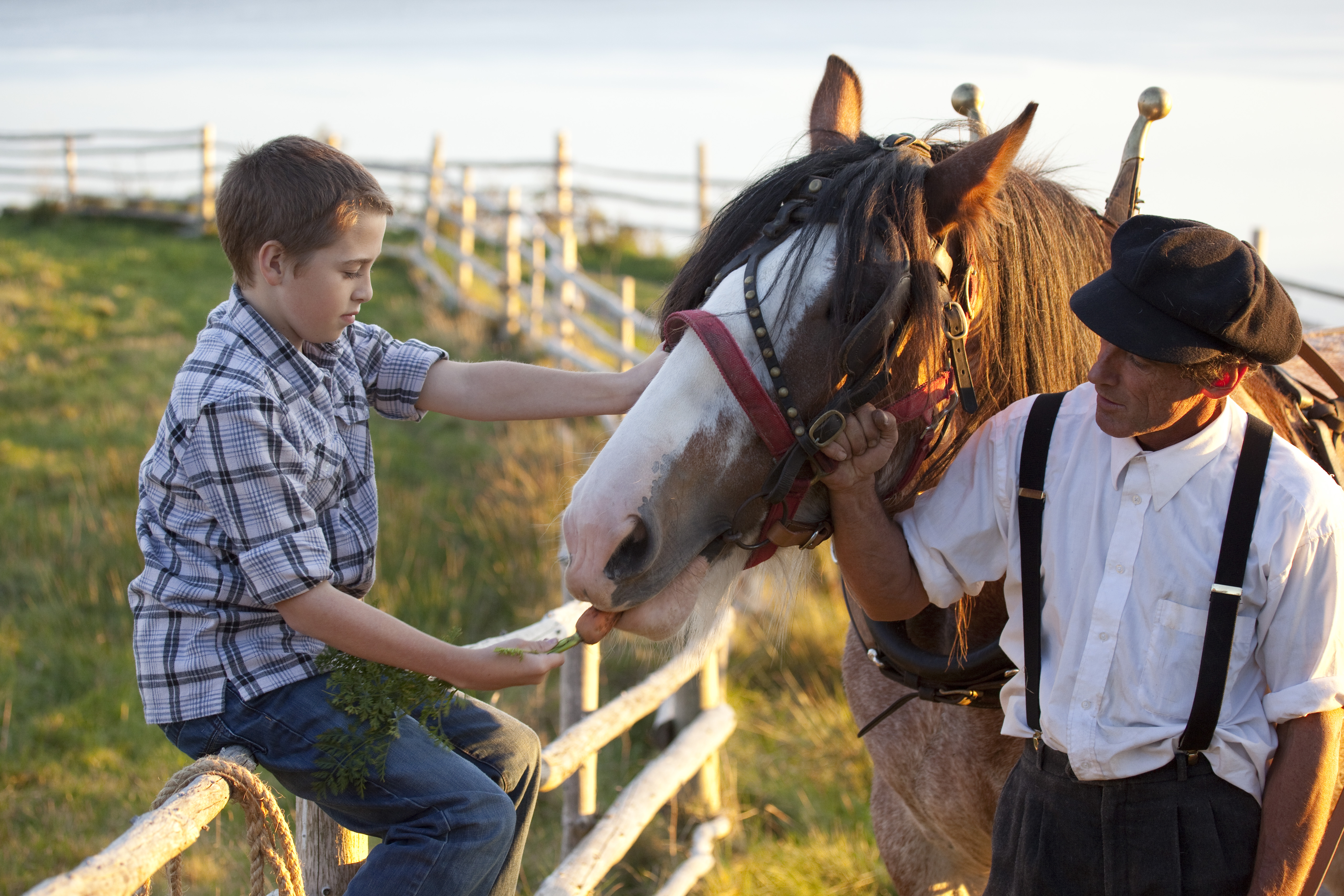
The Gaelic language has not disappeared from Nova Scotia. It has merely retreated to the places where it was always strongest -- places like the hillside above Bras d'Or Lake in Iona, Cape Breton, where the Highland Village Museum stands on 43 acres of rolling landscape and refuses to let the old tongue go quiet. Known in Gaelic as Baile nan Gàidheal, the museum is an outdoor living history site dedicated to the folk-life, culture, and language that thousands of Scottish Highlanders brought with them when they emigrated to Nova Scotia in the late eighteenth and early nineteenth centuries. Costumed animators work the buildings, speak the language, and tend the animals. The past here is not behind glass. It walks around and talks to you.
The Crossing They Could Not Refuse
The roots of Gaelic Nova Scotia lie in the Highlands and Islands of Scotland, where sweeping socio-economic changes in the eighteenth century -- land enclosures, the collapse of the clan system, the clearances that forced families off ground their ancestors had worked for generations -- made emigration less a choice than a necessity. Thousands of Scots crossed the Atlantic and settled in eastern Nova Scotia through a pattern of chain emigration, choosing locations based on family connections, religious ties, or political loyalties. They arrived to find a climate vastly different from Scotland's, thick forests where they expected open moor, and soil that required years of clearing before it would yield a crop. They persevered anyway. They built homes from the timber they felled, established farms, founded churches, and recreated the Gaelic-speaking communities they had been forced to leave behind. The language survived the crossing. So did the music, the stories, and the stubborn conviction that community could be rebuilt from scratch.
Four Eras on One Hillside
The Highland Village walks visitors through four distinct periods of Gaelic settlement, each represented by authentic or faithfully reconstructed buildings. The earliest era, Gaelic Scotland from the 1770s through the 1830s, is depicted in the Black House -- an Taigh dubh -- the kind of low-roofed stone dwelling that emigrants left behind. The Forests of Nova Scotia period, spanning the 1770s to 1850s, appears in a log house, a centre chimney house, and a barn, representing the first rough structures settlers built in the New World. The community-building era of the 1850s through 1880s is told through a church and a centre hallway house. And Gaelic Nova Scotia from the 1880s to the 1920s comes alive in a schoolhouse, a general store, a blacksmith's forge, a carding mill, and a turn-of-the-century house. Each building contains artifacts drawn from the Nova Scotia Museum Collection, chosen to represent the specific decade they inhabit.
A Language That Insists on Being Spoken
Highland Village is not merely a museum of objects. It is a museum of language -- one of the few places in North America where Scottish Gaelic is actively used as a living medium of daily interpretation. The museum hosts Stòras a' Bhaile, a four-day Gaelic immersion folk-life school for advanced learners, and runs a school visitation program called Sgadan's Buntata that introduces Cape Breton children to the language and customs of their Gaelic heritage through hands-on demonstrations. In 2012, the museum launched An Drochaid Eadarainn -- The Bridge Between Us -- an interactive website designed to transmit Gaelic language and culture through technology. The site was unveiled at Province House in Halifax, the seat of the Nova Scotia Legislature, a gesture that underscored the province's official recognition of Gaelic as a living part of its identity rather than a historical curiosity.
The Sound of the Céilidh
Every August, Highland Village Day brings musicians to the hillside for an outdoor Scottish concert that has been a tradition since 1962, when the event served double duty as a celebration of the museum's founding and a fundraiser for its continued development. The opening day that first year included, somewhat improbably, a boxing exhibition by the New Waterford Boxing Club. The concert endures as a showcase for local musicians carrying forward traditions passed down through generations of Cape Breton fiddlers and singers. Other annual events include Pioneer Day, a traditional codfish supper, and educational programs for youth. Below the museum grounds, Bras d'Or Lake stretches across the interior of Cape Breton Island -- a vast, sheltered saltwater lake that the Mi'kmaq called the arm of gold. The Gaels who settled its shores found a landscape that, if not Scotland, was at least beautiful enough to make starting over bearable.
From the Air
Highland Village Museum is located in Iona, Nova Scotia, at approximately 45.95°N, 60.82°W, on a hillside overlooking Bras d'Or Lake in central Cape Breton Island. The museum grounds are on the western shore of the lake, near the narrows crossed by the Iona ferry. Bras d'Or Lake itself is the dominant visual feature -- a large inland saltwater body that nearly bisects Cape Breton Island. Best viewed at 2,000-4,000 feet AGL. Nearest airport: J.A. Douglas McCurdy Sydney Airport (CYQY), approximately 60 km northeast. The Canso Causeway connecting Cape Breton to the mainland is visible to the southwest.